Summaries like this, in your inbox every morning.
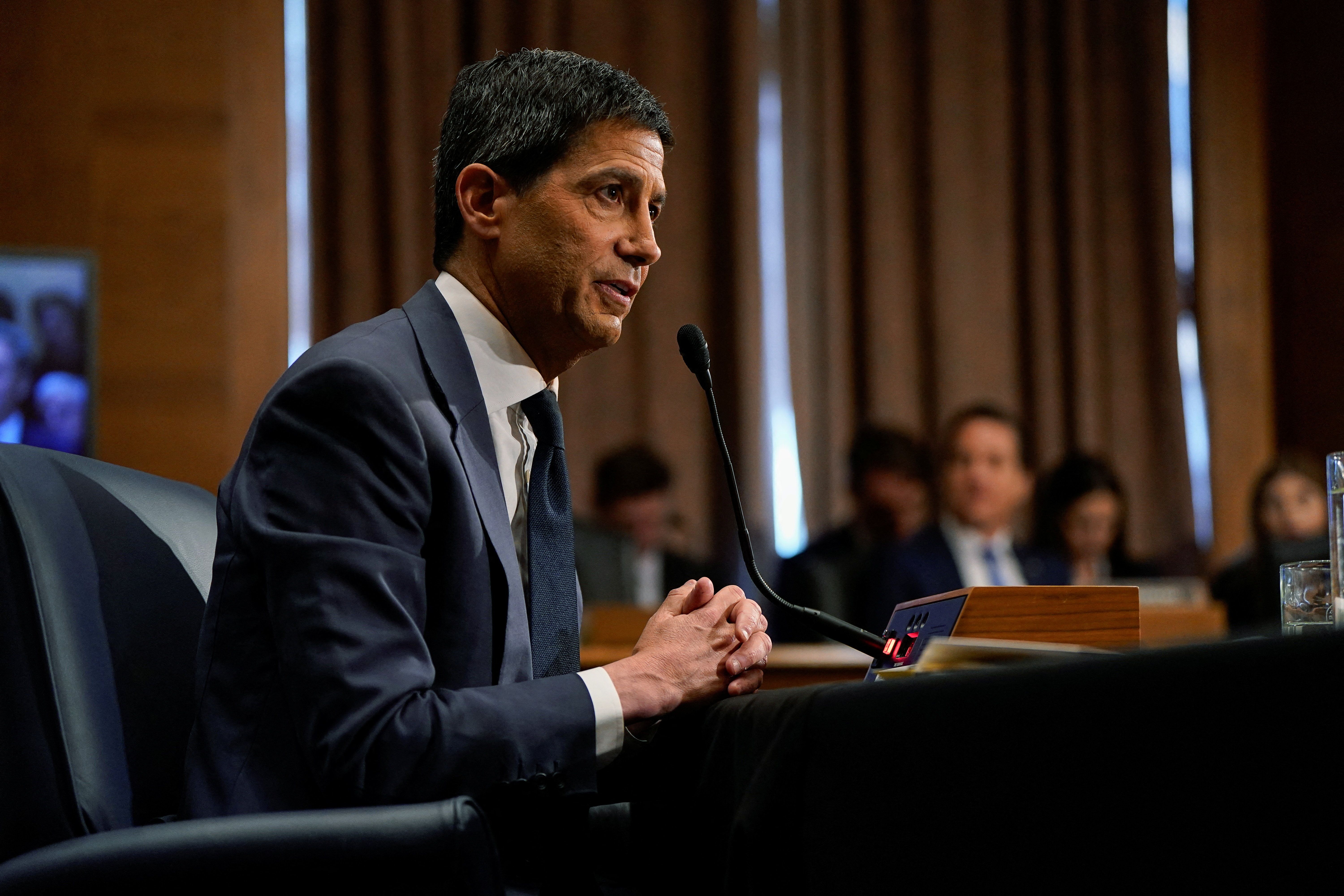
Sign up free →Warsh, nominated to lead the Federal Reserve, told senators that AI's impact on the 'supply side of the economy' (the ability to produce more goods and services) may be 'considerably bigger' than its effect on demand (consumer spending), contradicting arguments that rate cuts are needed to manage AI-driven inflation.
This distinction matters because if AI primarily increases supply without inflating demand, the Fed has less reason to cut rates—cheaper borrowing costs are typically used to stimulate spending when the economy weakens, but Warsh suggests AI is already doing the heavy lifting by making production cheaper and faster.
For business professionals and investors, this signals the next Fed chair may take a more hawkish (rate-holding) stance than recent chair Powell, potentially keeping borrowing costs higher for longer—affecting everything from mortgage rates to corporate loan costs and stock valuations.
No discussion yet for this article
Get curated AI news from 200+ sources delivered daily to your inbox. Free to use.
Get Started FreeFree · takes 30 seconds · unsubscribe anytime
1 minute a day. The AI essentials.
200+ sources · Email / LINE / Slack
