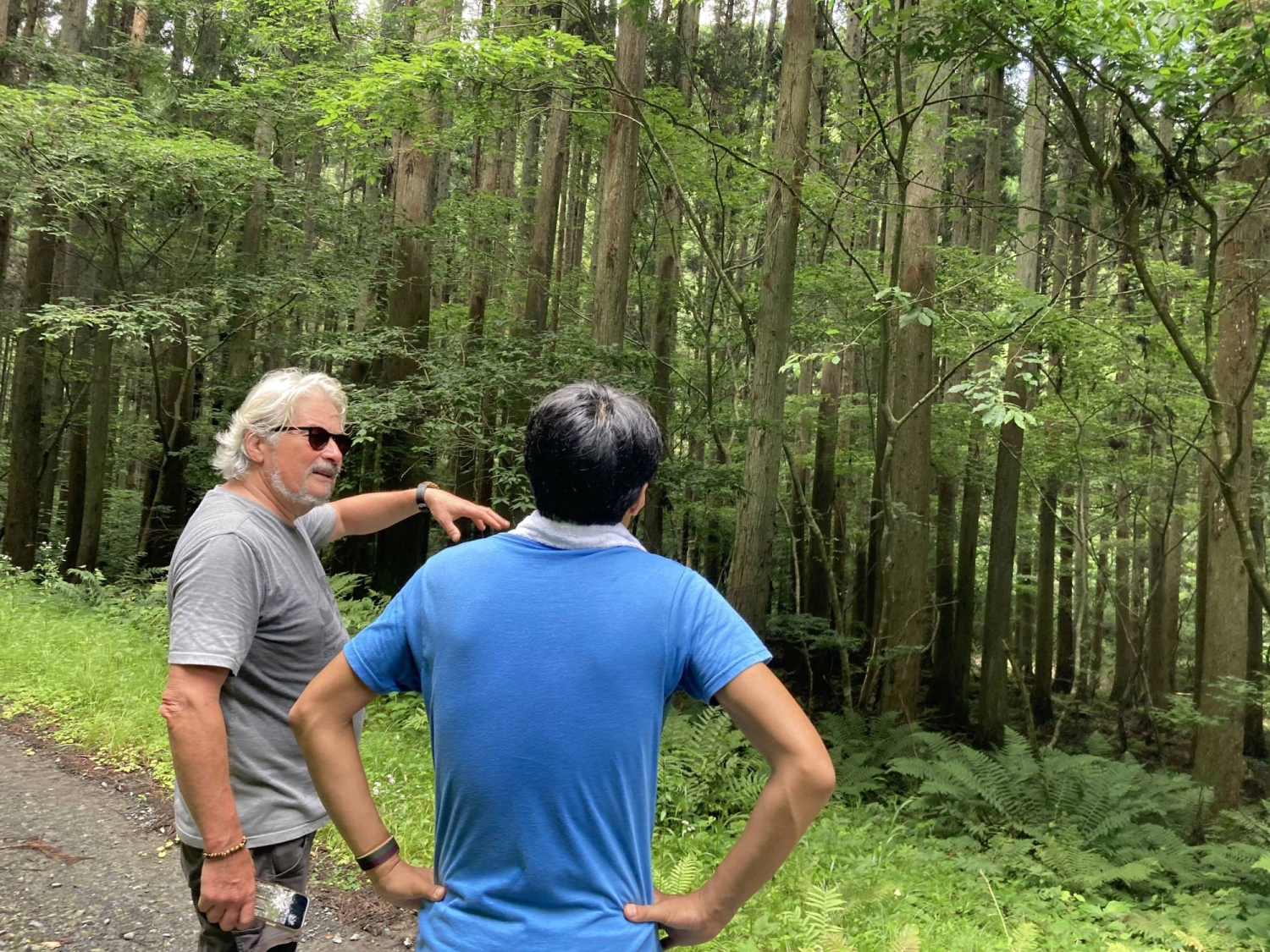
The Ishinomaki District Forestry Association, working with Hitachi Systems and French startup Everimpact, selected 900 hectares of forest comprising 72% of planted conifers for a carbon credit project. The team aims to generate carbon credits worth up to ¥260 million by thinning older conifers and planting younger trees, including broadleaf species.
The project chose the Verified Carbon Standard (VCS) Program's Improved Forest Management methodology, certified by Verra. This approach uses satellite data to calculate carbon credits by comparing emissions and carbon stock changes against a dynamic baseline from country-wide forest data, rather than relying solely on on-site surveys.
Dense, monoculture conifer stands planted decades ago had become net carbon emitters due to aging trees and lack of thinning—a practice the foresters could not afford. Mixed forests of conifers and broadleaf trees require less maintenance and are better adapted to the hotter, drier climate the region is projected to experience.
Summaries like this, every morning.
Pick your industry and the AI tools you use, and get news related to your work every day.
Free · 30 seconds with Google · unsubscribe anytimeWhat is AIToday? →
Ask AI anything about this article. The AI reads this article, earlier AIToday articles, and Wikipedia, and cites its sources. Q&As are published on this page for other readers too.