Berkshire Hathaway's portfolio is concentrated in three stocks—Alphabet, Coca-Cola, and Apple—that collectively represent over one-third of its $328 billion(約52兆円) in holdings and are using AI to strengthen their existing operations.
CEO Greg Abel, who succeeded Warren Buffett, is maintaining Buffett's philosophy of backing companies with steady growth and reliable management, not chasing fads.
Notably, Alphabet's cloud and search divisions are seeing accelerating revenue growth powered by AI, while Apple is positioned to become the world's largest distributor of AI software to consumers through its 2.5 billion active devices.
What happened
Berkshire Hathaway holds three major stocks—Alphabet (8.8% of portfolio), Coca-Cola (10.1%), and Apple (19.7%)—that together account for over one-third of its $328 billion(約52兆円) stock portfolio and use AI to enhance their core businesses. CEO Greg Abel has aggressively added to Alphabet this year.
Why it matters
Buffett's successor is adopting a similar long-term investing strategy focused on steady growth and reliable earnings, rather than chasing AI trends. These three holdings position Berkshire to benefit from AI deployment across search, cloud computing, manufacturing, supply chains, and consumer devices—potentially delivering strong returns over time.
What to watch
Alphabet trades at a P/E ratio of 25.7 (a discount to the Nasdaq-100 technology index at 34.1), with Google Search and Google Cloud revenue growth accelerating to 19% and 63% respectively in the first quarter of 2026. Apple has more than 2.5 billion active devices worldwide ready to run its Apple Intelligence suite.
Ask the AI about this article →
Berkshire Hathaway's shift under new CEO Greg Abel reflects continuity rather than revolution. While the legendary Warren Buffett typically avoided chasing popular investment themes like AI, his successor has found three existing Berkshire holdings that naturally incorporate AI into their operations—and has strategically deepened at least one position. This approach mirrors Buffett's original philosophy: backing businesses with durable competitive advantages and reliable management, rather than speculating on emerging categories.
The concentration is notable. Together, Alphabet, Coca-Cola, and Apple represent more than one-third of the $328 billion(約52兆円) portfolio—a significant bet that these three will continue delivering returns. Alphabet's performance illustrates the thesis: Google Search and Google Cloud posted 19% and 63% revenue growth in Q1 2026, both accelerating multiple quarters in a row thanks to AI integration. At a P/E of 25.7, Alphabet still trades below the Nasdaq-100 technology index at 34.1, suggesting Abel may have room to find value even as the stock has nearly doubled over twelve months.
Apple's positioning as a potential leader in consumer AI distribution—leveraging its installed base of over 2.5 billion active devices—and Coca-Cola's strategic investment in cloud infrastructure and AI tools for operational efficiency show how AI is embedding itself into mature, non-tech businesses. Rather than betting on pure-play AI companies, Berkshire's three holdings represent established enterprises using the technology to deepen their moats and margins. This pragmatic approach suggests Abel intends to honor Buffett's long-term, fundamentals-driven philosophy while acknowledging AI's real role in strengthening the companies Berkshire already owns.
For example, today's edition would include:
AI-summarized, only the topics you pick — one digest a day via Email, Slack, or Discord.
Free · takes 30 seconds · unsubscribe anytimeWhat is AIToday? →
Ask AI anything about this article. Q&As are published on this page for other readers too.
BHP, the world's largest mining company by market capitalization, has deployed AI across its operations
Team Liquid announced a new five-year extension of its long-running collaboration with Dell Technologies' Alie…
A University of Mississippi study published in Journal of Interactive Advertising found that AI ads succeed wh…

Goldman Sachs Research says AI supply and demand won't balance until the first half of 2028
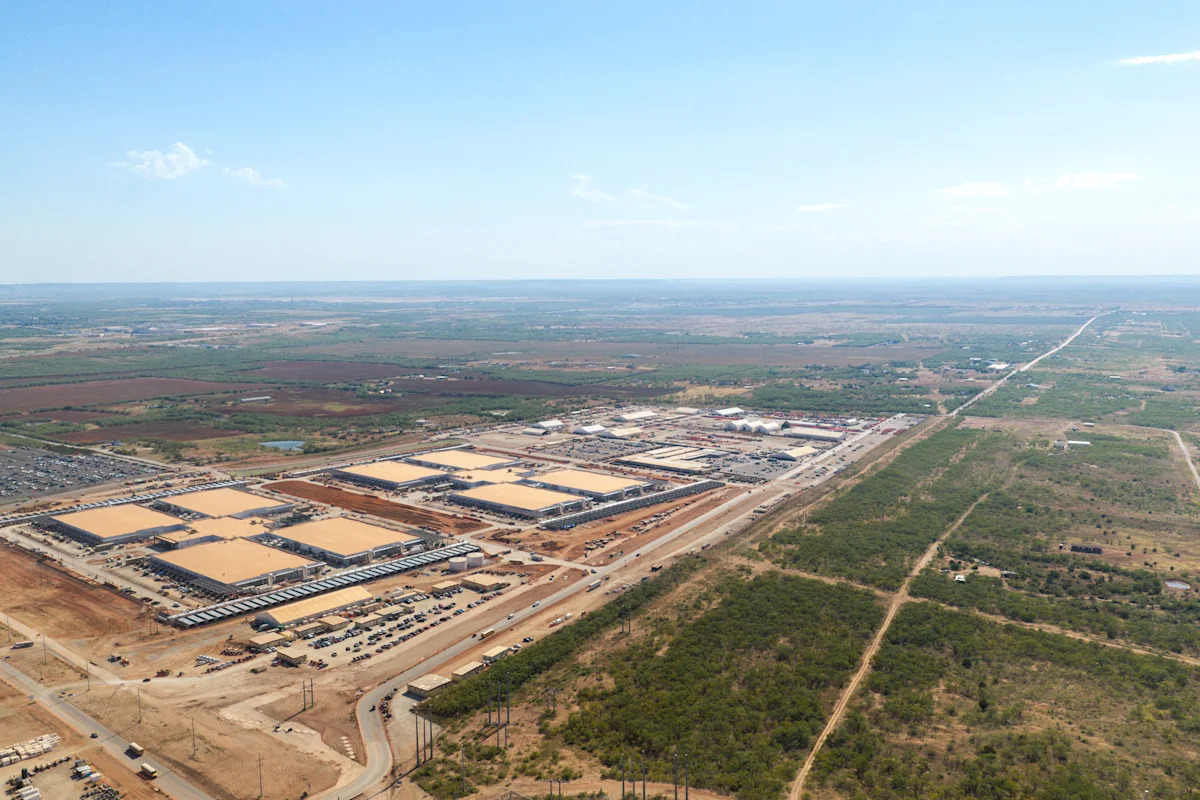
Lam Research broke ground yesterday on a new lab in Tualatin, Oregon

Visa, Mastercard, and Fiserv joined the Agentic Payments Alliance (APA), a 26-company coalition led by stablec…