What happened
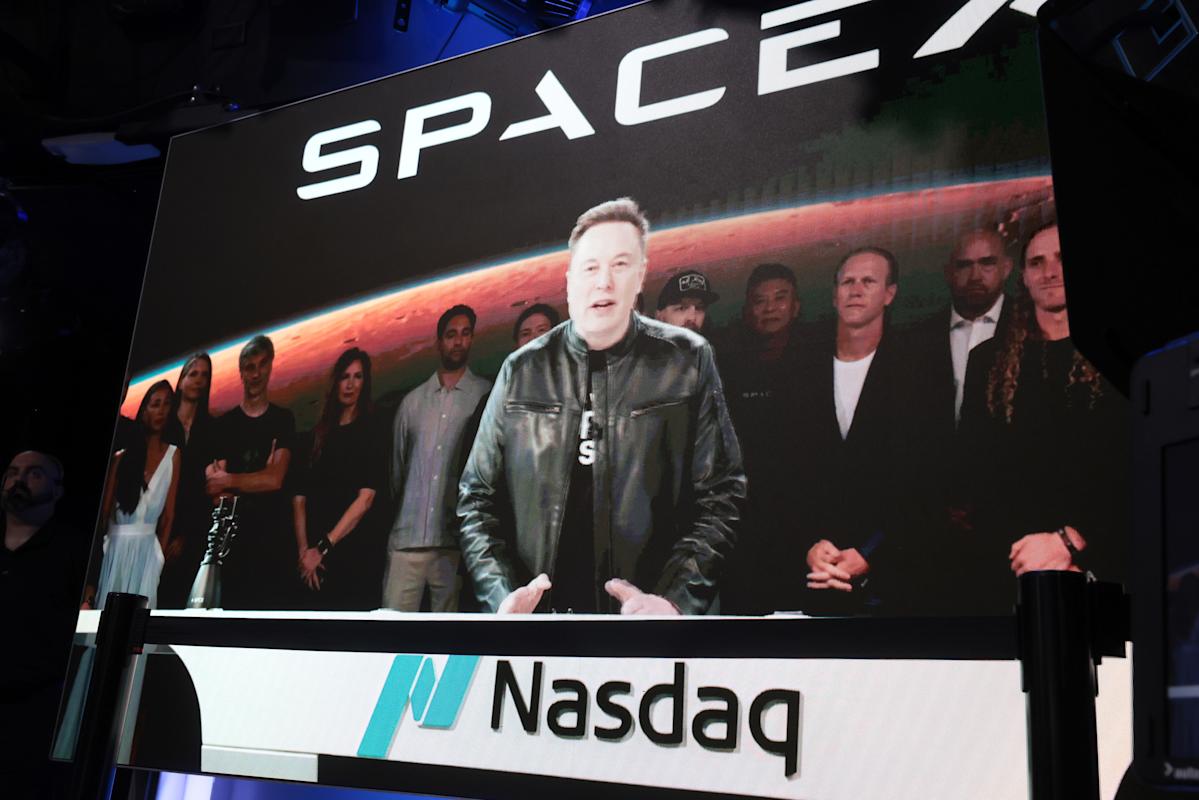
SpaceX went public and its stock rose 19% on its first trading day, Friday. The IPO was heavily oversubscribed across all channels, with retail investors playing a key role in driving demand. SpaceX sold roughly 5% of the company in the offering.
Why it matters
The strong debut comes as concerns grew about whether the market could absorb a wave of new share issuance—including capital raises by Alphabet and anticipated IPOs from OpenAI and Anthropic. One market strategist rated the market's absorptive capacity as a 10 out of 10, suggesting the AI bull market has substantial runway. However, some investors rotated out of prior AI winners like Micron, Sandisk, and Marvell to fund SpaceX purchases, which may indicate selective rather than broad appetite for new offerings.
What to watch
Strategists cautioned that hot IPO debuts often cool as insider lock-up periods expire—citing Facebook (now Meta), Robinhood, and Coinbase as examples that offered better entry points later. Vanda Research noted retail investors are being 'very selective and tactical' in 2026, suggesting rebalancing into SpaceX rather than overall market buying may be the likely path ahead.
Summaries like this, in your inbox every morning.
Pick your industry and the AI tools you use, and get news related to your work every day.
Free · 30 seconds with Google · unsubscribe anytimeWhat is AIToday? →
Ask AI anything about this article. The AI reads this article, earlier AIToday articles, and Wikipedia, and cites its sources. Q&As are published on this page for other readers too.
Supermicro Computer appointed Mark Long as chief financial officer, bringing an experienced technology finance…

Holtek Semiconductor unveiled its 2026 product roadmap on October 15, focusing on four core areas: smart prote…
TSMC reported about NT$763.1b in Q3 net profit and confirmed that demand for advanced processors is running ah…

Nvidia-backed CoreWeave steadied Thursday after a sharp slump, as investors worried about the debt financing b…
Weathernews said on October 15 it implemented its own AI weather-forecasting model, AI-Nowcast, in its Weather…

TOPPAN Holdings and Keio University ran a quantum-computer and generative-AI proof-of-concept from February 1…