
Security agencies from Australia, Canada, New Zealand, the UK, and the USA co-authored guidance titled 'Careful adoption of agentic AI services' that warns agentic AI systems (AI that autonomously performs tasks across multiple tools and data sources) will likely misbehave and amplify existing organizational vulnerabilities, recommending incremental deployment starting with low-risk tasks.
The document identifies that every component in an agentic AI system widens the attack surface; it illustrates risks including an agent given broad write permissions to install patches that causes unintended changes, and a compromised low-risk tool within a procurement agent's workflow that allowed an attacker to modify contracts, approve unauthorized payments, and create faked audit logs.
The agencies list 23 different risks and over 100 individual best practices, and urge vendors to design products that 'fail-safe by default requiring agents to stop and escalate issues to human reviewers in uncertain scenarios,' while advising organizations to prioritize resilience, reversibility and risk containment over efficiency gains until security practices and standards mature.
Ask the AI about this article →
For example, today's edition would include:
AI-summarized, only the topics you pick — one digest a day via Email, Slack, or Discord.
Free · takes 30 seconds · unsubscribe anytimeWhat is AIToday? →
Ask AI anything about this article. Q&As are published on this page for other readers too.
Google launched two large language models, Gemini 3.8 Flash and Gemini 3.8 Flash Cyber
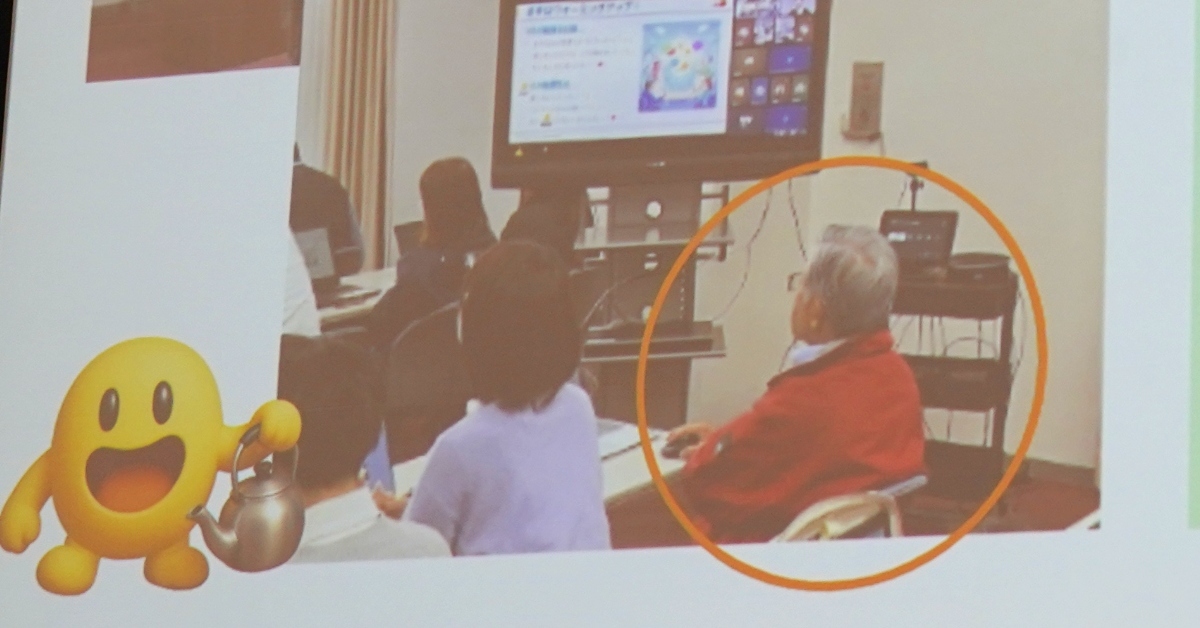
Marukai, a 108-year-old miso maker in Mie Prefecture, gave all 290 employees access to Google's AI, Gemini
Palo Alto Networks paid $500 million in cash and stock to acquire Console, a two-year-old startup that uses AI…
Interactive Brokers has begun connecting its platform with AI tools including ChatGPT, Claude, and Grok, and o…

Google has reportedly approached major studios such as Disney, Warner Bros

Qualcomm Technologies and HUMAIN launched Horizon Ultra, a next-generation AI PC, at LEAP 2026