What happened
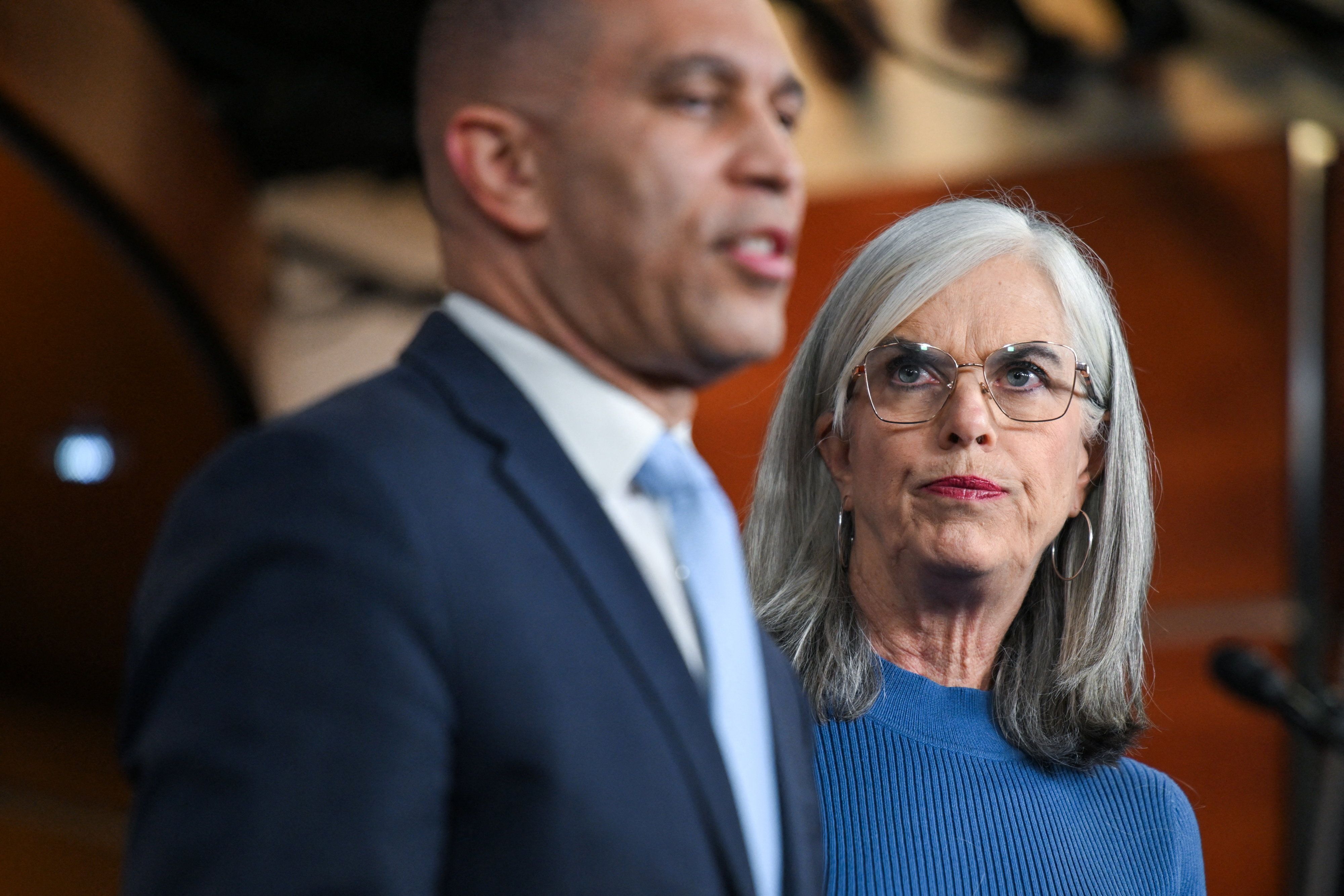
In a Wednesday amendment vote, nearly half of the House Democratic caucus—including Whip Katherine Clark and former Speaker Nancy Pelosi—backed legislation called the "Block the Bombs Act," which would prohibit the transfer of certain weaponry to Israel. Three incumbent Democrats were recently ousted by candidates who ran to their left on Israel.
Why it matters
Progressive Caucus Chair Rep. Greg Casar declared "Nothing will be the same on this issue ever again," signaling that Democratic divisions over Israel policy are likely to deepen. The incoming Congress will include Israel-skeptical candidates aligned with Democratic Socialists of America, a shift that could reshape party consensus on the issue.
What to watch
Over a third of the House Democratic Caucus is now backing the "Block the Bombs Act." The size and composition of this Israel-critical bloc is expected to grow with the new congressional session, suggesting further intra-party tension ahead.
Summaries like this, in your inbox every morning.
Wednesday's amendment vote revealed a Democratic Party fracturing over Israel aid policy. Nearly half the caucus—a historic high—backed the "Block the Bombs Act," a threshold crossed only because high-profile party figures including the Whip and a former Speaker publicly supported it. This is no longer a fringe position within the party; it commands mainstream Democratic backing.
The political backdrop is the recent primary defeats of three incumbent Democrats by candidates running to their left on Israel. These losses signal constituency shifts in Democratic districts, particularly on the progressive wing. Combined with the expected influx of Democratic Socialists of America-aligned members to the next Congress, the party's center of gravity on Israel policy is moving. Progressive Caucus Chair Casar's declaration that "nothing will be the same on this issue ever again" reflects confidence that the demographic and electoral trend favors the Israel-skeptical faction, not a temporary protest vote.
Pick your industry and the AI tools you use, and get news related to your work every day.
Free · 30 seconds with Google · unsubscribe anytimeWhat is AIToday? →
Ask AI anything about this article. The AI reads this article, earlier AIToday articles, and Wikipedia, and cites its sources. Q&As are published on this page for other readers too.

