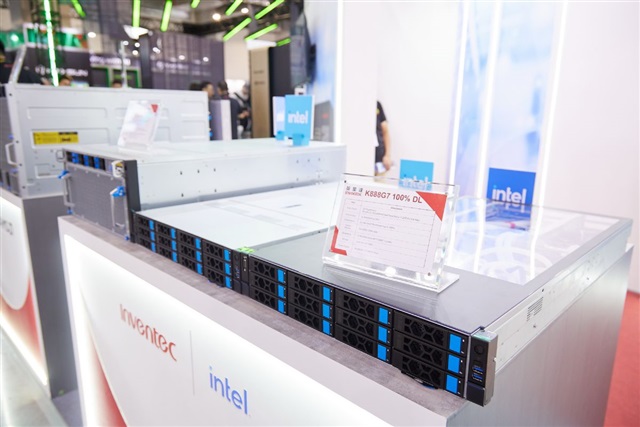
AI workloads are shifting from the initial training phase to inference, where trained models answer user queries. This shift is expanding demand beyond GPU accelerators to include CPU-based servers, spreading infrastructure costs and easing competitive pressure on hardware assemblers while signaling a sustained buildout across data centers globally.
Summaries like this, in your inbox every morning.
Sign up free →What happened
The focus of AI workloads is shifting from model training to inference—the step where an AI produces answers to user queries. This shift is expanding demand for CPU-based servers beyond GPU accelerators, spreading the load across more hardware components in data centers.
Why it matters
Broader server demand eases margin pressure on hardware assemblers, who have faced intense competition as GPU costs dominate AI infrastructure spending. The shift has implications for cloud costs, server makers, chip suppliers, and how enterprises deploy AI systems, signaling a wider buildout across the data center supply chain rather than concentration in a single component category.
What to watch
This trend affects multiple layers of the supply chain—CPU makers, server manufacturers, and data center operators—as inference workloads become a sustained demand driver alongside training infrastructure.
The AI industry is undergoing a structural shift in how computing resources are deployed across data centers. For the past few years, the narrative around AI infrastructure has been dominated by demand for specialized accelerators—primarily graphics processing units (GPUs)—needed to train large language models and other foundation models from scratch. This training phase is computationally and financially intensive, creating a concentrated market where a few chip makers and server manufacturers control the majority of supply. However, as models reach maturity and companies move into the deployment phase, the computational profile of AI workloads changes significantly. Inference—the process by which a trained model generates responses to queries—is less demanding than training but requires sustained compute capacity at scale. Unlike training, which can be completed once and then cached, inference must run continuously to serve user requests, making it a persistent operational workload. The article indicates that this transition to inference-heavy workloads is widening the range of hardware that can effectively support AI operations. Rather than requiring cutting-edge accelerators for every operation, inference can be distributed across CPU-based servers, which are more commodity-like and less subject to supply constraints. This diversification of hardware demand across the supply chain reduces the margin pressure that has affected companies manufacturing complete server systems, since they are no longer entirely dependent on the availability and cost of premium accelerators. The broader implication is a shift from a concentrated, accelerator-centric infrastructure model to a more distributed, balanced approach that includes training, inference, storage, and networking components. This has consequences for cloud service providers, who must reconfigure their data centers to support both workloads; for chip suppliers, who see new demand from CPU and networking segments; for server makers and integrators, who gain more pricing power as their products become less interchangeable; and for enterprises deploying AI, who must plan for both the training and operational phases when building their AI infrastructure strategy.
The AI infrastructure market has historically been dominated by the race for high-end accelerators, particularly GPUs, which are essential for the computationally intense training phase where models learn from massive datasets. However, the article indicates a fundamental shift in how AI infrastructure is being utilized: as companies move from building and training models to deploying them at scale, the workload distribution across data centers is diversifying. Inference—the operational phase where trained models answer queries—requires different hardware characteristics than training and can leverage broader CPU server capacity. This shift relieves the bottleneck that has kept margins under pressure for companies building the server systems themselves, since demand is no longer concentrated solely on the most specialized (and most expensive) components. The implications extend across the entire supply chain: CPU manufacturers see new opportunities, server assemblers face less competitive intensity, cloud providers must rearchitect their infrastructure to balance training and inference workloads, and enterprises planning AI deployments must account for both phases in their data center strategies.
AI-summarized, only the topics you pick — one digest a day via Email, Slack, or Discord.
Free · takes 30 seconds · unsubscribe anytime
No comments yet. Be the first to share your thoughts!
Log in to join the discussion




Get curated AI news from 200+ sources delivered daily to your inbox. Free to use.
Get Started FreeFree · takes 30 seconds · unsubscribe anytime
