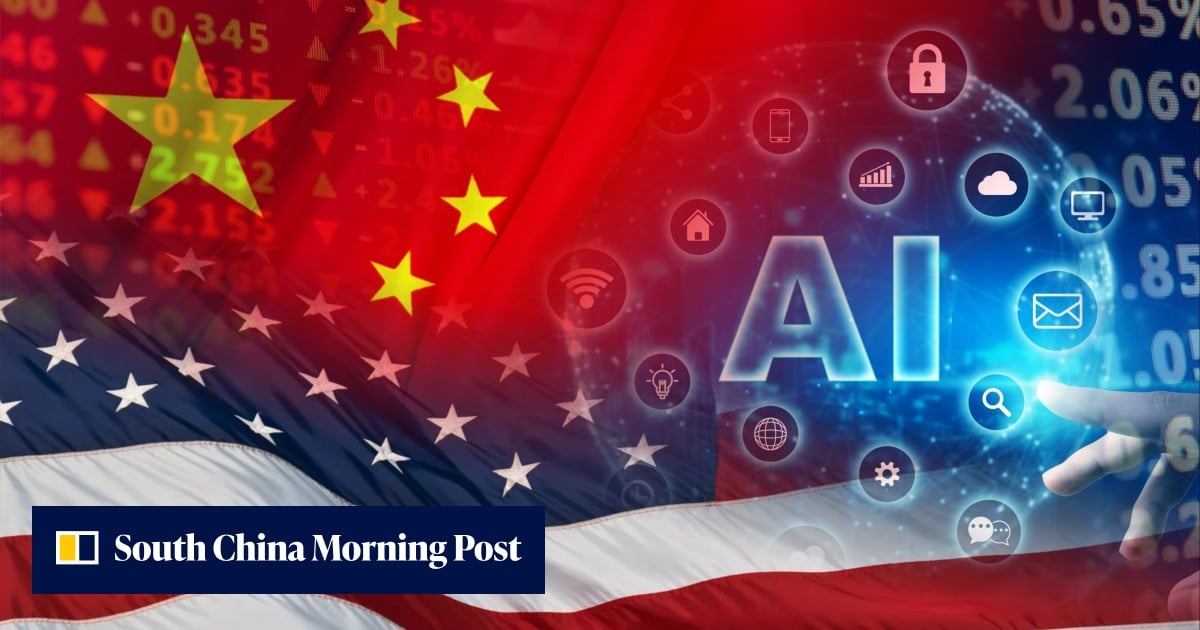
Citi Research analysts say US tariffs and export controls on Chinese AI exports are unlikely to cause major disruption because direct US-China AI trade is already suppressed, with bilateral AI exports from China to the US down 4.1 per cent year on year through June.
However, restrictions on access to open-weight AI models represent a significant "wild card" that could reshape the global AI landscape.
Even in an extreme full decoupling scenario, Citi estimates up to 9.2 per cent of China's total exports could be at risk—a level they consider manageable, pointing to China's ability to weather similar US tariffs in 2024.
What happened
Citi Research analysts said US tariffs and export controls on Chinese AI are unlikely to significantly disrupt China's AI exports, because direct bilateral trade in the sector is already suppressed. They estimate a full AI decoupling—an extreme scenario—could put up to 9.2 per cent of China's exports at risk, which they say would remain manageable. The assessment comes as US-China tensions rise ahead of President Xi Jinping's planned state visit to the US in September.
Why it matters
Direct Chinese AI exports to the US fell 4.1 per cent year on year between January and June, already limiting the first-order impact of further US restrictions. However, analysts caution that some measures—particularly limits on access to "open-weight" models (AI systems with publicly available code and weights)—represent a "genuine wild card" that could reshape the global AI landscape in ways harder to predict. China weathered Trump's 2024 tariffs despite the US accounting for 14.7 per cent of total exports at year-end 2024.
What to watch
The US expanded curbs to include drones on Thursday, when Trump signed a proclamation imposing tariffs of up to 100 per cent on certain imported drones and components, citing national security and cybersecurity risks. Beijing has retaliated by targeting US firms, and the reciprocal measures will likely continue ahead of Xi's planned September visit.
Ask the AI about this article →
US-China tech tensions are escalating ahead of President Xi Jinping's planned September state visit to the US, with both nations imposing reciprocal measures. Washington has targeted Chinese AI models, advanced robotics, optical transceivers, and expanded its forced labour blacklist, while Beijing has retaliated against US firms. Despite this tit-for-tat escalation, Citi Research analysts argue that the direct bilateral AI trade impact is likely to remain contained because the US-China AI trade channel is already largely suppressed; Chinese AI-related exports to the US fell 4.1 per cent year on year between January and June, accounting for only a 0.5 percentage point drag on overall export growth.
The analysts' core argument rests on the distinction between direct bilateral trade disruption—which is limited—and indirect global effects. Even under an extreme full-decoupling scenario, up to 9.2 per cent of China's exports could be at risk, a scale Citi characterizes as manageable, citing China's demonstrated resilience to Trump's 2024 tariffs when the US represented 14.7 per cent of total exports at year-end 2024. However, analysts flag a significant caveat: restrictions on open-weight AI models (systems with publicly released code and weights) represent a "genuine wild card" whose impact on the global AI supply chain is harder to quantify. Such restrictions could reshape competition and access patterns in ways that go beyond direct trade volumes, potentially affecting how AI technology diffuses globally and how other countries source AI tools.
For example, today's edition would include:
AI-summarized, only the topics you pick — one digest a day via Email, Slack, or Discord.
Free · takes 30 seconds · unsubscribe anytimeWhat is AIToday? →
Ask AI anything about this article. Q&As are published on this page for other readers too.
Israeli startup DataAgent Ltd
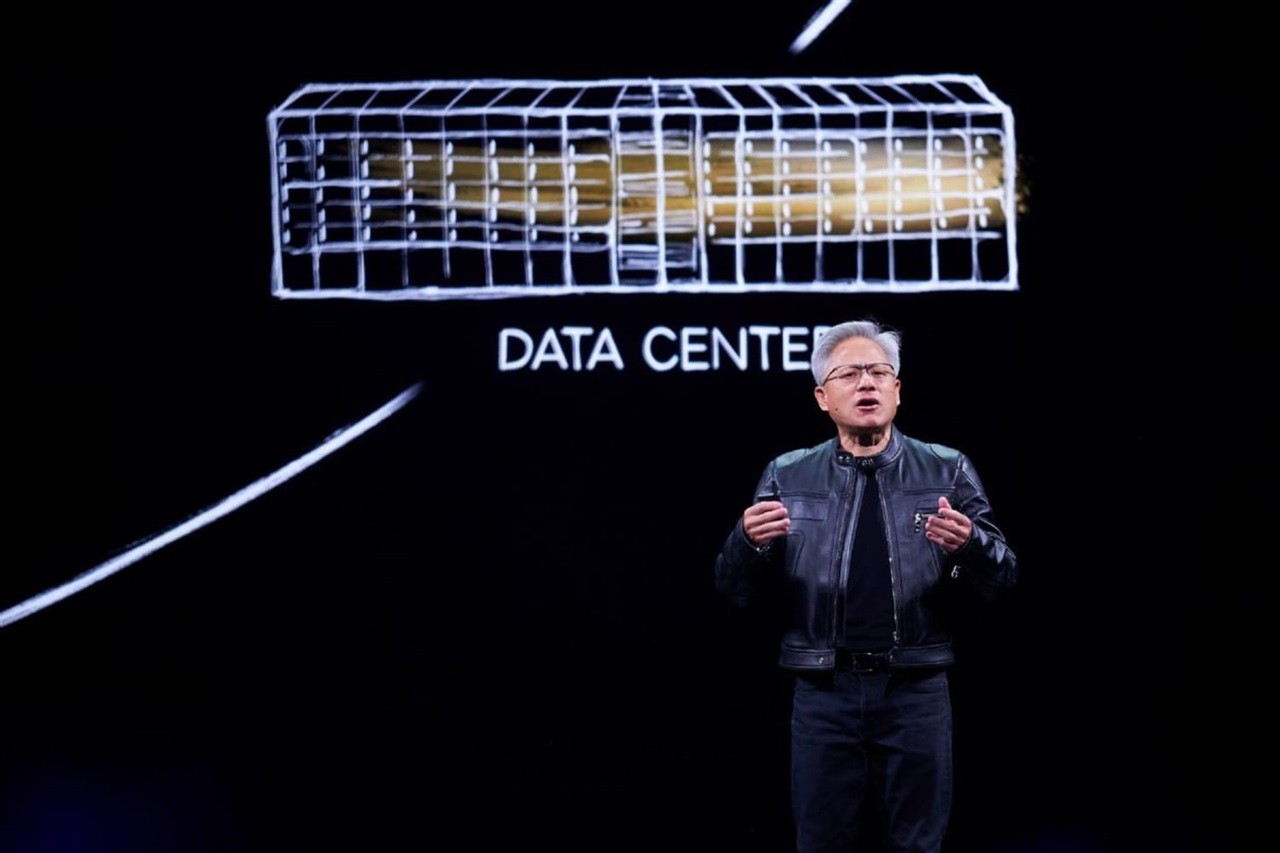
Taoyuan is positioning itself as a northern hub for AI data centers (AIDC), citing the Tatan area and an LNG c…
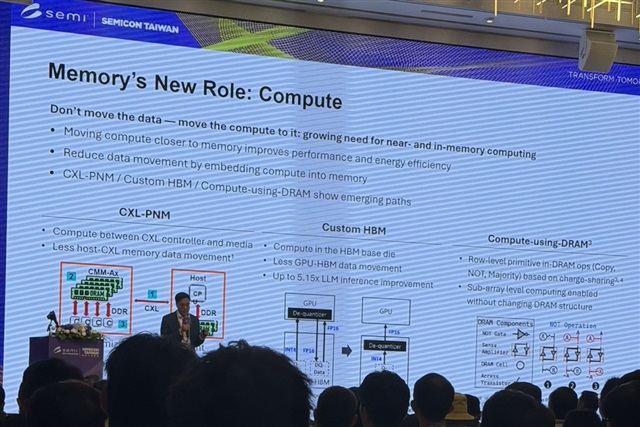
SK Hynix presented a custom HBM concept at SEMICON Taiwan 2026, where compute functions are placed in the base…
The U.S. Department of Defense announced on August 31 that it has deployed ChatGPT Mil, a customized version o…

Nvidia reported earnings that were both remarkable and boring, reflecting its focus on avoiding a consolidated…

Anthropic has agreed to a $35bn cloud-computing contract with Lambda, a Nvidia-backed cloud provider