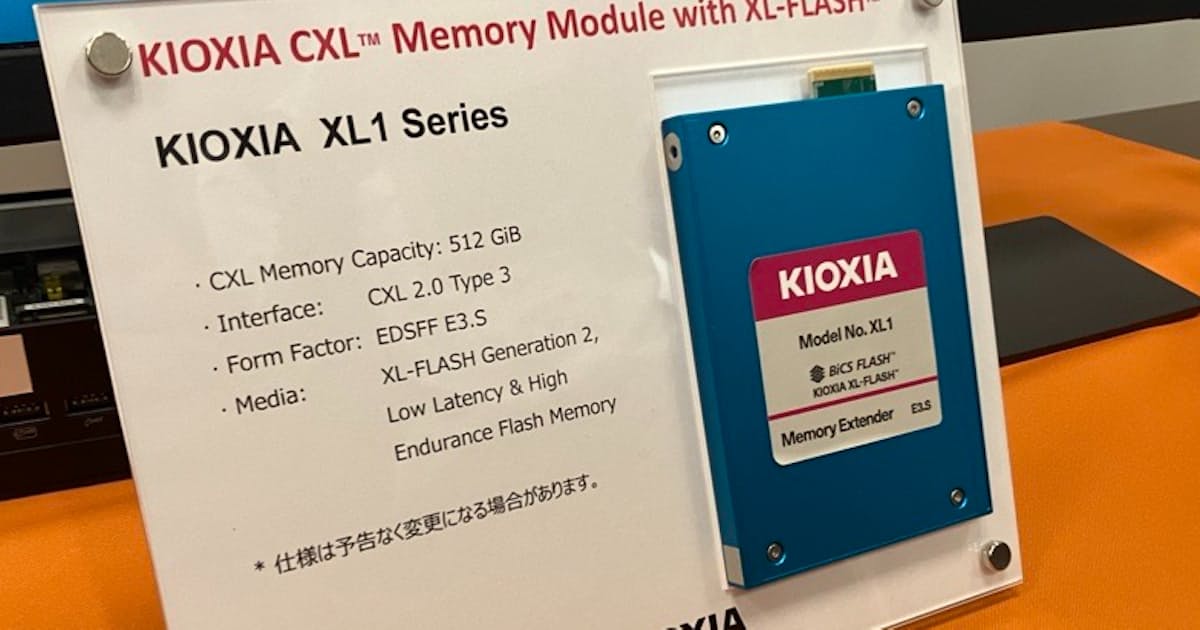
Kioxia aims to develop high-speed NAND memory that could replace DRAM.
This strategy targets growing AI demand for memory.
No technical specifics or timelines were disclosed in the article.
What happened
Kioxia is pursuing a high-speed NAND memory approach aimed at replacing DRAM, responding to AI-driven demand. The article notes this direction is emerging as AI workloads increase memory needs.
Why it matters
DRAM is a key memory type used in computers and servers; replacing it with NAND could alter cost and performance dynamics for AI systems. This move reflects Kioxia's strategic bet on AI-related memory demand, though the article does not specify technical details or timelines.
What to watch
The outcome hinges on whether Kioxia’s high-speed NAND can genuinely displace DRAM in AI systems, where cost and performance trade-offs remain unproven. The test is whether adoption moves beyond theory into real infrastructure deployments.
Ask the AI about this article →
Summaries like this, in your inbox every morning.
The article highlights Kioxia's intent to position high-speed NAND as a possible substitute for DRAM, a shift driven by AI's escalating memory requirements. Kioxia, a memory chip maker, appears to be adapting its product strategy to capture demand from AI systems, which often rely on large amounts of fast memory. However, the piece offers no concrete data on performance or market timing, leaving the feasibility of this approach open to future clarification. The lack of specifics suggests the initiative is at an early stage, and its impact on the memory market remains uncertain.
For example, today's edition would include:
AI-summarized, only the topics you pick — one digest a day via Email, Slack, or Discord.
Free · 30 seconds with Google · unsubscribe anytimeWhat is AIToday? →
Ask AI anything about this article. Q&As are published on this page for other readers too.
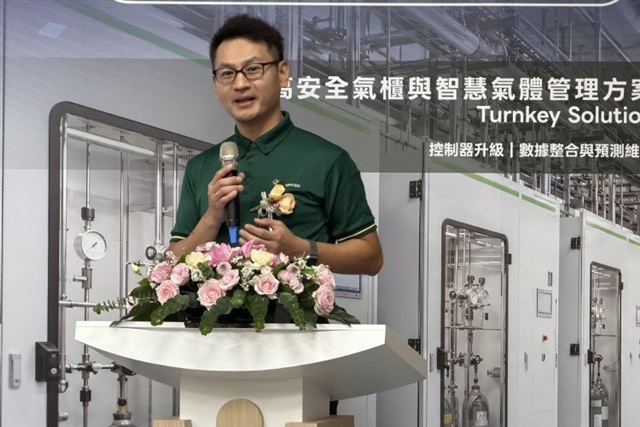
JM-Applied, a Taiwanese semiconductor gas equipment maker and supply chain member for Micron and TSMC, said on…
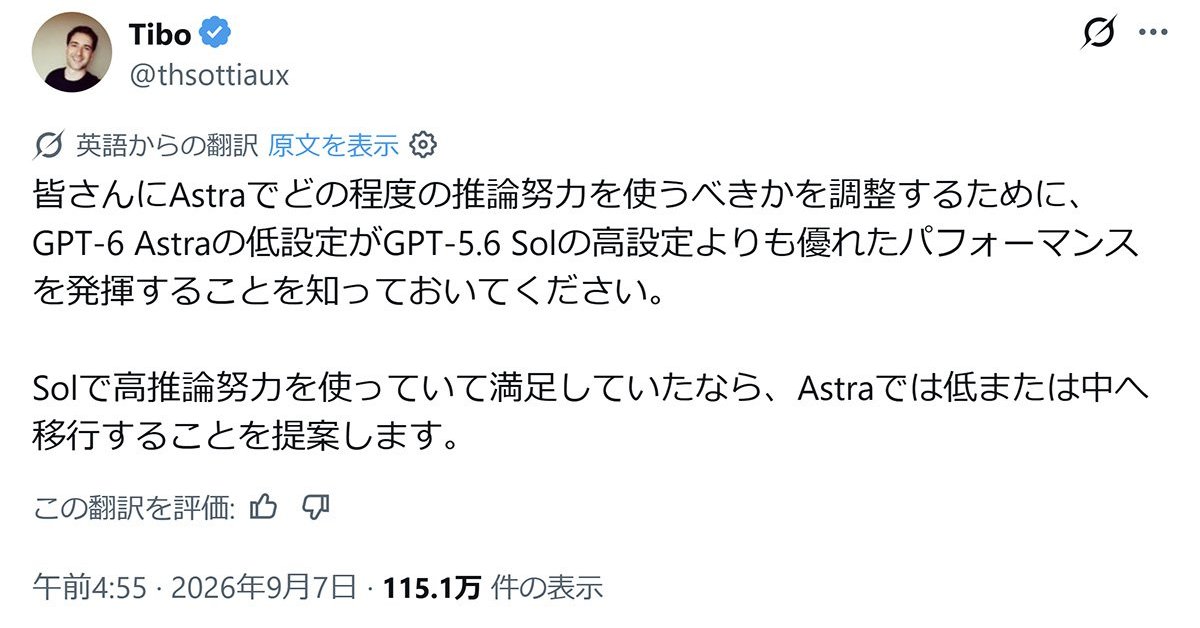
OpenAI's product lead Tibo Sotiou posted on X on September 6 that GPT-6 Astra's 'low' setting outperforms GPT-…
Nvidia disclosed roughly $99 billion of public and private equity investments as of July 26, plus about $25 bi…
In January, Ukraine's defense ministry said it would share millions of data points from tens of thousands of d…

OpenAI Group PBC acknowledged it did not publicly disclose an episode where its AI agents wrote to outside web…

Eaton is expanding beyond traditional power management into modular power deployment, next-generation DC conve…