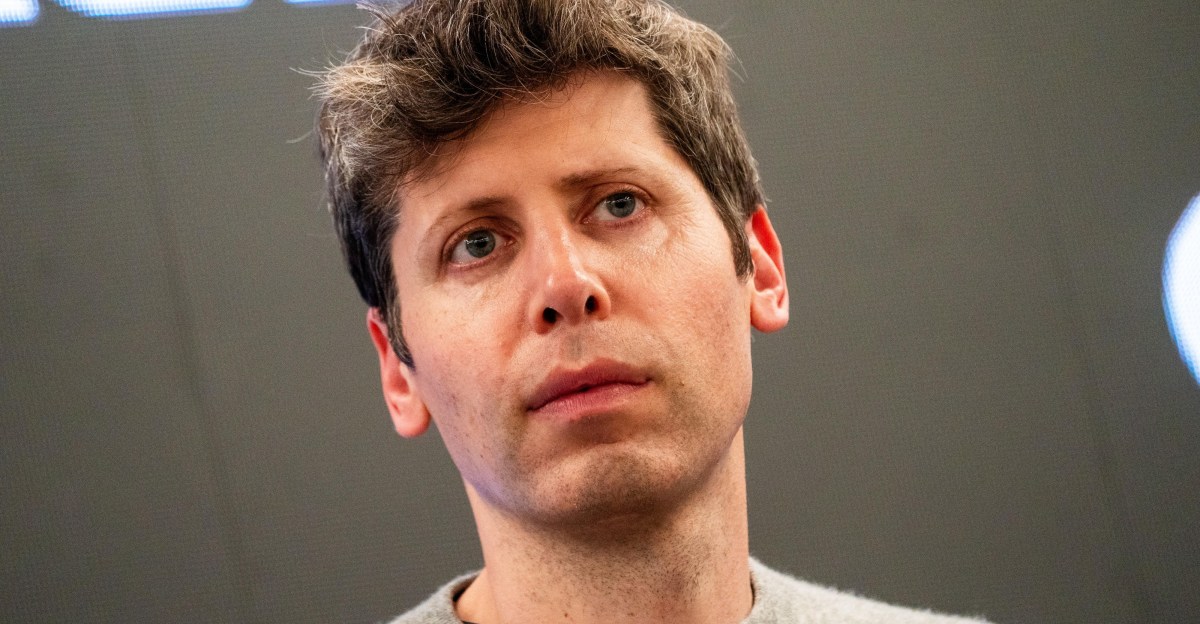
What happened
Apple filed a 41-page lawsuit accusing OpenAI of a coordinated scheme to steal confidential information about unreleased products, hardware prototypes, and proprietary manufacturing techniques through three former Apple employees: Tang Tan (now OpenAI's chief hardware officer), Chang Liu, and Yu-Ting Peng. The suit alleges Liu kept an Apple computer and accessed Apple's cloud storage weeks after leaving, downloading dozens of confidential files; Peng funneled Apple project details to Liu; and Tan asked job candidates to bring Apple hardware components and answer questions about secret projects during interviews.
Why it matters
Apple claims OpenAI coached departing Apple employees on how to bypass the company's security procedures, telling them not to sign exit documents and how to avoid the standard two-week lockout. The lawsuit suggests OpenAI deliberately targeted Apple's suppliers by misrepresenting itself as authorized to use Apple's proprietary metal-finishing technique and confidential component information—moves that could expose Apple's competitive advantages as OpenAI develops its own AI hardware device expected next year.
What to watch
OpenAI has denied the allegations, stating it has "no interest in other companies' trade secrets" and remains focused on building innovative technology. Apple is seeking to block what it characterizes as an ongoing scheme tied to OpenAI's first AI hardware device, which the company says is coming next year.
Summaries like this, in your inbox every morning.
Apple's lawsuit alleges a systematic effort by OpenAI to acquire Apple's hardware secrets as the AI company prepares to launch its first hardware device next year. The suit centers on the departure of three Apple employees and paints a detailed picture of how Apple claims OpenAI exploited their transitions: Liu allegedly retained an Apple computer and exploited an authentication vulnerability to access confidential cloud storage; Peng maintained contact with Liu and shared ongoing Apple project details; and Tan, already installed as OpenAI's chief hardware officer, allegedly solicited secret project information from job candidates and asked them to bring unreleased Apple components to interviews.
The lawsuit reveals tactics Apple alleges OpenAI used to facilitate this: coaching departing employees on how to avoid security procedures, advising them not to sign exit documents, and warning them about Apple's standard two-week lockout. Apple also claims OpenAI misrepresented its authority to Apple's suppliers, particularly regarding a proprietary metal-finishing technique and power-and-battery components. The lawsuit suggests these practices reflect an established pattern, with Apple noting "a recent trend of employees who are leaving Apple for OpenAI and taking steps to evade security measures." OpenAI has categorically denied the allegations, stating it has no interest in stealing trade secrets.
Pick your industry and the AI tools you use, and get news related to your work every day.
Free · 30 seconds with Google · unsubscribe anytimeWhat is AIToday? →
Ask AI anything about this article. The AI reads this article, earlier AIToday articles, and Wikipedia, and cites its sources. Q&As are published on this page for other readers too.
Tesla revealed its next-generation Roadster at SpaceX's McGregor, Texas test site on October 15, presented as…

Cisco Systems heads a sample of three AI networking and server hardware stocks, with its Computer Networks seg…

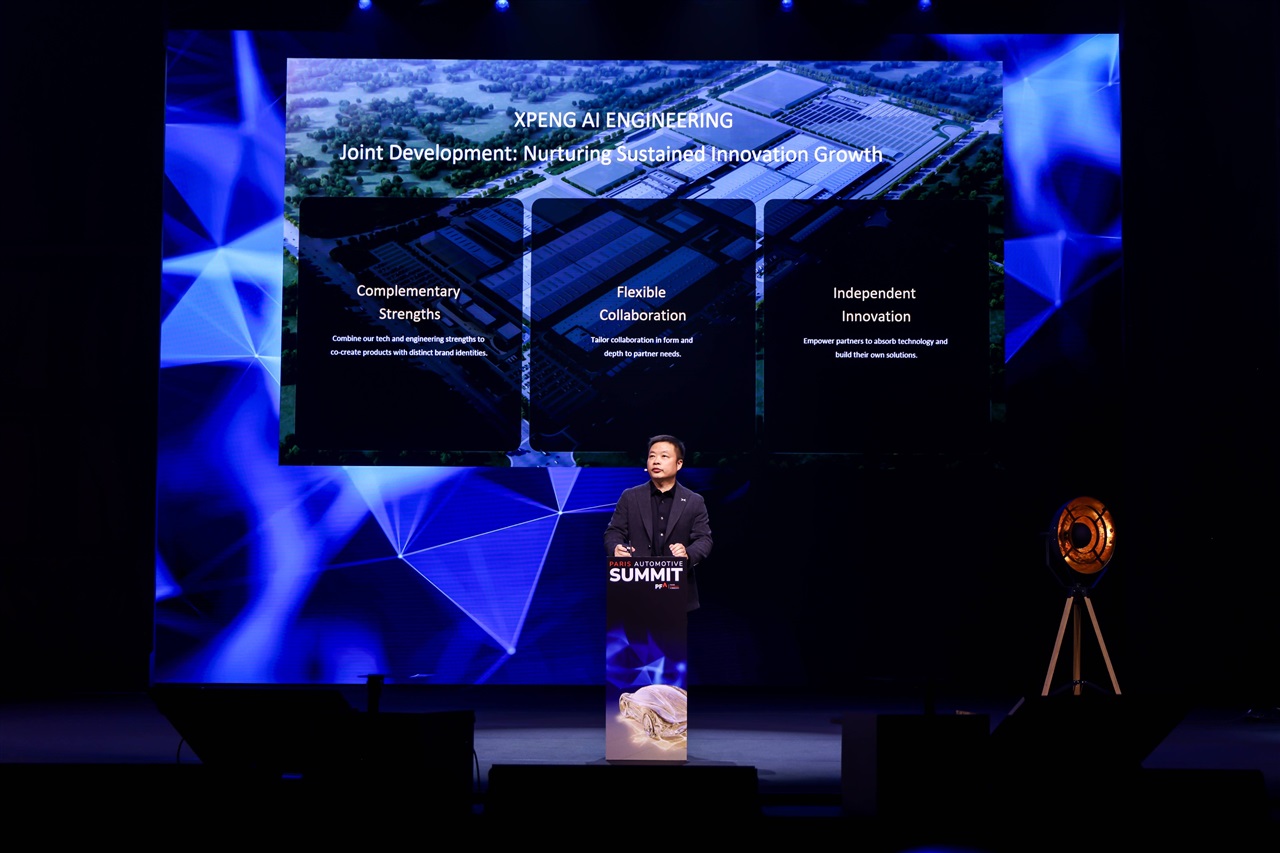
XPeng appeared at the Paris Automotive Summit, presenting not only automotive expertise but a broader technolo…
Itaú's ia.i, a text- and voice-activated assistant spanning accounts, credit, cards and insurance, reached abo…
Goldman Sachs says German exports have rebounded, driven by demand from the US, the EU, and the AI buildout
Forbes reports that Coca-Cola is using AI to reinvent its marketing, and presents the company's approach as a…