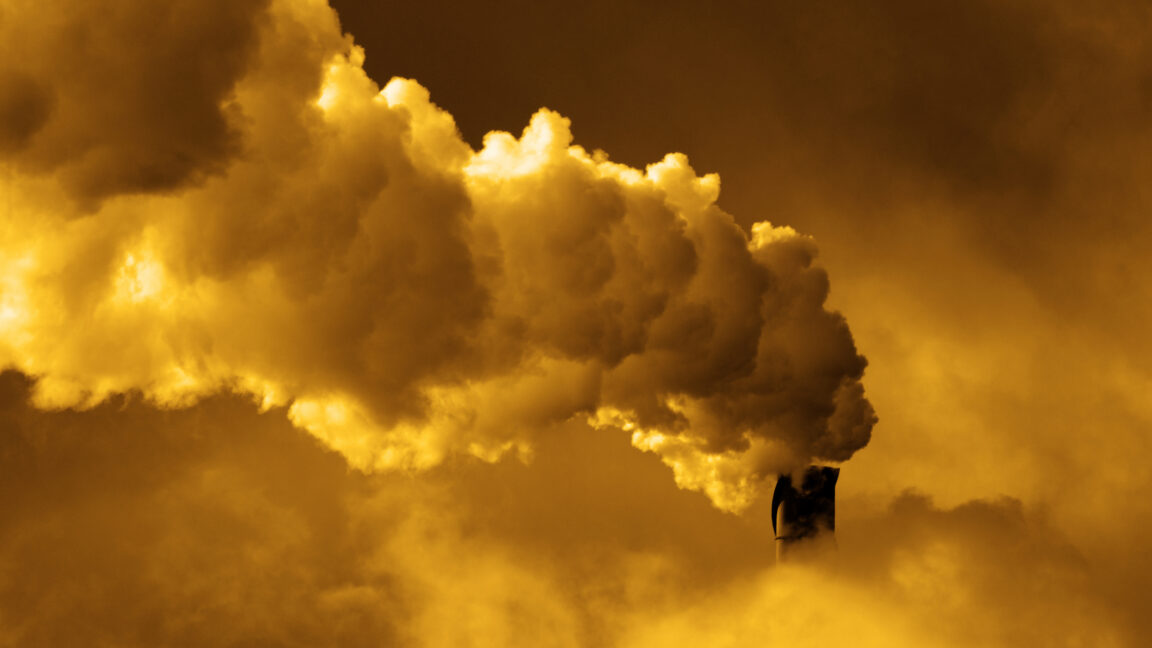
Amazon is backing a natural gas power plant in Texas that could emit 33 million tons of carbon dioxide annually—more than any other power plant in the United States—to power a massive data center.
This move contradicts Amazon's 2040 net-zero pledge and reflects a broader shift by AI firms toward building off-the-grid power plants to speed up deployment, even as communities and environmental groups raise concerns about pollution and public health impacts.
What happened
Amazon is investing in a natural gas power plant in Pecos County, Texas, to supply energy for a data center project. The plant would use 35 turbines to generate up to 7.65 gigawatts of power and could release 33 million tons of carbon dioxide annually—more than any other power plant in the country, according to The New York Times.
Why it matters
The project directly conflicts with Amazon's voluntary commitment to reach net-zero carbon emissions by 2040. Amazon joins other AI firms (Anthropic, Google, Meta, Microsoft, OpenAI, Oracle) in building off-the-grid power plants to avoid grid delays, but this shift toward gas turbines produces harmful pollutants linked to asthma, heart disease, lung cancer, and strokes. Communities are pushing back, and the NAACP sued Elon Musk's xAI over its gas turbines in June, though the Trump administration backed xAI and opposed enforcing the Clean Air Act.
What to watch
Amazon is also in talks with developers of a 4.5 GW gas power plant in Homer City, Pennsylvania. The company told Ars Technica it is exploring solar energy and battery storage at the Texas site but plans to rely on gas turbines in the meantime. A nonpartisan research group estimates at least 82 gas-burning power plants are being built or proposed to power US data centers, with most proposed in the last 18 months.
Amazon's artificial intelligence ambitions will soon be partly fueled by a natural gas-burning power plant in Texas that "could become the largest single source of climate pollution in the United States," according to reporting by The New York Times. The company's move into off-the-grid power generation represents its first big investment in this strategy, following a pattern set by Elon Musk's xAI, which controversially began relying on gas turbines last spring to power Colossus, its largest AI data center. Gas-burning plants produce harmful pollutants that can accelerate climate change impacts and harm public health—contributing to conditions like asthma, heart disease, lung cancer, and strokes.
Cleanview, a company tracking environmental concerns with off-the-grid data center developments, first exposed Amazon's Pecos County plan at the start of August after discovering three construction permits filed in Texas near the power plant that were "beginning immediately." Through documentary investigation and satellite images, Cleanview confirmed Amazon's involvement and released a report Friday warning that "Amazon is backing what could be the largest natural gas power plant ever built in the United States." Specifically, one permit showed the power plant "would use 35 turbines to generate up to 7.65 gigawatts of power." Amazon also is "in talks with the developers of a 4.5 GW gas power plant in Homer City, Pennsylvania," Cleanview reported.
Amazon told Ars Technica that it "believes in paying the full costs of powering our operations" and plans to do so by relying on "new on-site generation that won't raise electricity costs for Texas families and is designed to transition to grid-connected service as interconnection timelines allow." The company is exploring the use of solar energy and battery storage at the Texas data center but plans to rely on gas turbines in the meantime. However, the project directly clashes with Amazon's voluntary Climate Pledge commitment to reach net-zero carbon emissions by 2040. Under Amazon's current plan, the Texas power plant would be permitted to release 33 million tons of carbon dioxide a year. Margaret Callahan, an Amazon spokesperson, suggested that the 2040 deadline remains a priority but noted that "the world looks different now than when we co-founded the climate pledge."
The broader context reveals a coordinated shift across the AI industry. According to Cleanview, 59 data centers with a combined capacity of roughly 90 GW plan to build their own power "behind-the-meter," representing about 25 percent of all planned data center projects in the US. Companies including Anthropic, Google, Meta, Microsoft, OpenAI, and Oracle have increasingly invested in various ways to avoid permitting discussions and supply their own power. Amazon CEO Andy Jassy said on a July 30 earnings call that demand is particularly exploding for the company's AI and chips businesses amid the AI boom, and Amazon expects supply may lag behind demand well into 2027. The Trump administration has favored fast-tracking that can include skipping the permitting process entirely and has rolled back environmental protections to make it even easier for AI firms to build their own power plants. However, backlash is mounting. In June, the National Association for the Advancement of Colored People (NAACP) in Mississippi sued xAI to stop Musk's gas turbines, arguing that reliance on gas turbines has grown as the facility has operated, "growing from 18 to 27 to 33 to, now, 60 unpermitted gas turbines." A nonpartisan research group, the Environmental Integrity Project, recently estimated that "at least 82 gas-burning power plants are being built or have been proposed" to power US data centers, most within the last 18 months. The EIP is planning a lawsuit to force US data center developers to adhere to stricter pollution rules, with Jen Duggan, the EIP's executive director, identifying Texas as a hotspot to watch for fast-tracked projects from the biggest tech companies.
Amazon's move reflects a broader industry trend accelerated by Elon Musk's xAI, which controversially began relying on gas turbines last spring to power its Colossus data center in Memphis. According to Cleanview, a company tracking environmental concerns with off-the-grid data center developments, 59 data centers with a combined capacity of roughly 90 GW plan to build their own power "behind-the-meter"—representing about 25 percent of all planned data center projects in the US. This shift has gone from niche to mainstream, driven by the explosive demand for AI infrastructure. Amazon CEO Andy Jassy stated on a July 30 earnings call that demand is particularly exploding for the company's AI and chips businesses, and Amazon expects supply may lag behind demand well into 2027.
The legal and political backdrop is shifting in favor of these projects. In June, the NAACP sued xAI to stop its gas turbines, but the Trump administration joined the fight backing xAI and arguing that citizens have no power to enforce the Clean Air Act. The administration has also rolled back environmental protections to make it easier for AI firms to build their own power plants. A nonpartisan research group, the Environmental Integrity Project, estimates that at least 82 gas-burning power plants are being built or proposed to power US data centers, with most proposed in the last 18 months. However, not every project is approved without friction—permitting delays have already set back attempts from OpenAI, Oracle, and Microsoft. The EIP is planning a lawsuit to force stricter pollution rules, though if delays persist through 2027, only 5 GW of power may come online out of 13 GW in possible projects.
AI-summarized, only the topics you pick — one digest a day via Email, Slack, or Discord.
Free · takes 30 seconds · unsubscribe anytime
Ask AI anything about this article. Q&As are published on this page for other readers too.
The AI news that matters, in one minute each morning.
Sign up free