Google DeepMind is losing elite AI researchers to rivals like Anthropic, Meta, and OpenAI.
Its hiring share in Europe has dropped sharply, and its hires-to-departures ratio has fallen from 12-to-1 to 2-to-1.
The lab's tighter publication rules and focus on Gemini have reduced its appeal.
What happened
New data from Zeki Data shows Google DeepMind's share of research and advanced-engineering hires in Europe, the Middle East and Africa fell from 49% in 2022–23 to 18.6% in 2025–26, the sharpest drop Zeki recorded for a major AI lab in any region. This month alone, DeepMind lost long-time chief scientist Jeff Dean and several senior researchers, while CEO Demis Hassabis stepped back from day-to-day control.
Why it matters
DeepMind's arrivals-to-departures ratio for research and advanced-engineering staff fell from 12-to-1 in Q2 2023 to roughly 2-to-1 in Q3 2026, meaning it now adds about two people for every one who leaves. The lab's tighter publication rules and a shift toward commercializing Gemini have weakened its appeal to research-minded staff, according to interviews with current and former employees.
What to watch
Of those who left DeepMind in the past 12 months, 25% went to Anthropic, 21% to Meta, and 14% to OpenAI. DeepMind is still gaining ground in robotics and embodied AI, but its overall headcount growth in research and engineering is 27% annually, compared with 97% for OpenAI and 152% for Anthropic.
Ask the AI about this article →
The new data from Zeki Data paints a clear picture of a shifting AI talent market. DeepMind, long the dominant destination for elite researchers in Europe, is now losing ground to newer labs like OpenAI and Anthropic, which are growing their research headcount at roughly 97% and 152% annually respectively, versus 27% for DeepMind. The lab's decline coincides with an internal shift toward commercializing Gemini and tighter publication rules, which some researchers say displaced the open-ended science that originally attracted them.
The data also shows that DeepMind is not losing evenly across all fields. While it has a net loss in large language models and multimodal systems, and the AlphaFold team has lost 13 of its 29 named authors, the lab is gaining in robotics, embodied AI, and machine learning for science. This suggests DeepMind is strategically rebalancing its talent toward areas where it sees future growth, even as it cedes ground in core AI research.
For a lab that built its reputation on breakthroughs like AlphaGo and AlphaFold, the challenge is not just hiring but retention. As Hurd noted, the exodus of research-heavy people can compound, as they often leave to start their own ventures and bring colleagues with them. With DeepMind still able to attract staff thanks to Google's resources, the question is whether it can hold onto its remaining top researchers amid intense competition.
AI-summarized, only the topics you pick — one digest a day via Email, Slack, or Discord.
Free · takes 30 seconds · unsubscribe anytime
Ask AI anything about this article. Q&As are published on this page for other readers too.
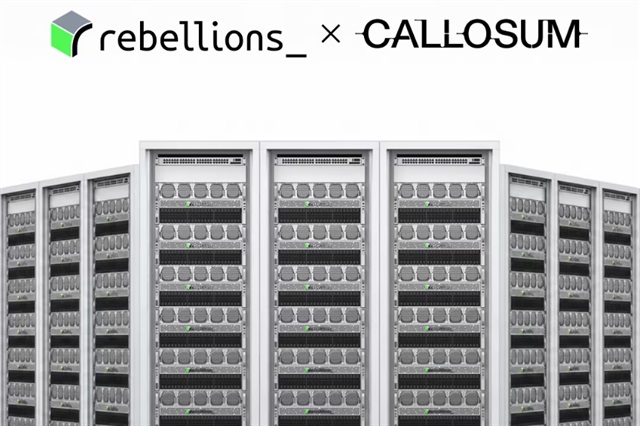
Rebellions plans to deploy more than 100 NPU-based computing racks in the UK, partnering with British AI infra…
Samsung Electronics showcased its zHBM concept model at FMS 2026, signaling a push into high bandwidth flash (…

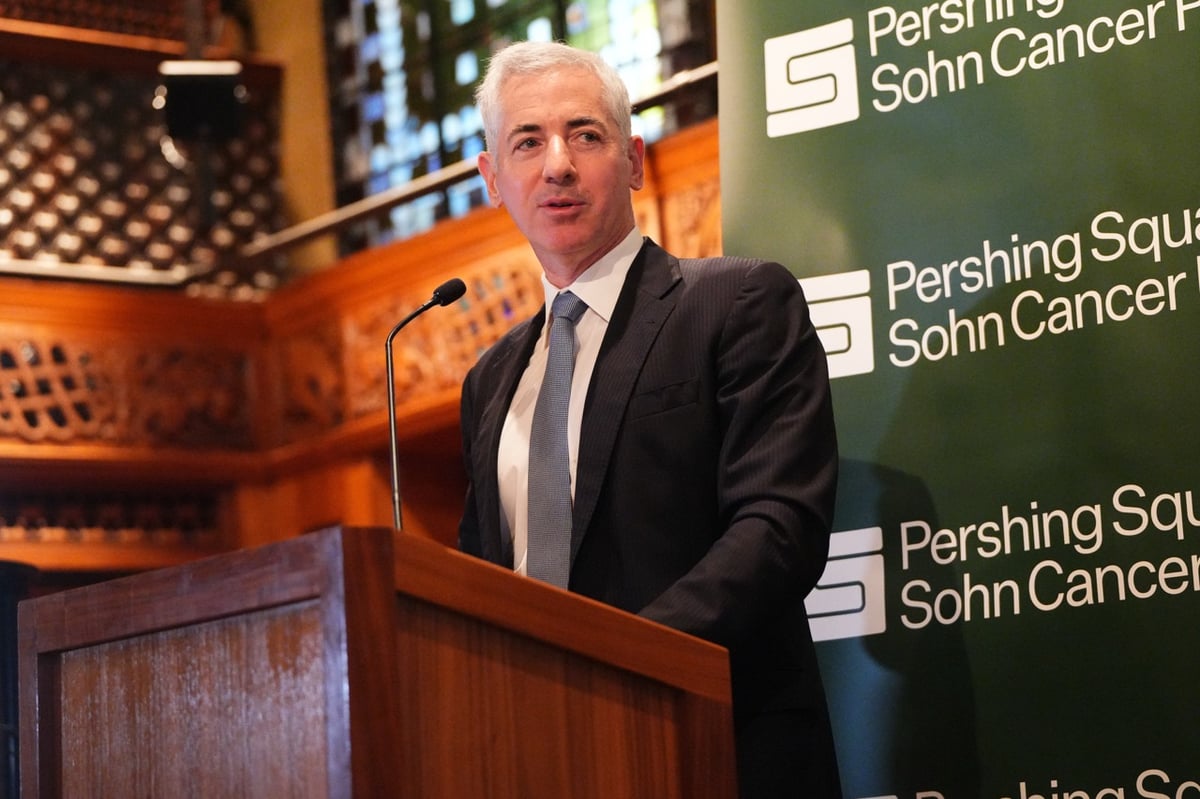
Bill Ackman's Pershing Square has 44.4% of its $19.5 billion portfolio in four AI application stocks: Uber, Mi…
Nvidia is acquiring open-source AI platform Hugging Face for $12.9 billion, according to The Information
The number of billionaires reached an all-time high of 3,795 in 2025, with their collective fortune rising 12.…
Hong Kong-based Votee AI is training open-weight models like Meta's Llama and Alibaba's Qwen on Cantonese data…