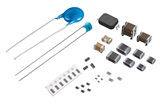
Ishihara Sangyo Kaisha plans to double its production capacity for high-purity titanium dioxide, a material used in dielectric components for multilayer ceramic capacitors. The expansion is driven by surging demand from AI servers, which require larger quantities of these capacitors as power needs grow. This move underscores how the AI infrastructure boom is reshaping supply chains across materials and component suppliers.
Summaries like this, in your inbox every morning.
Sign up free →What happened
Ishihara Sangyo Kaisha is doubling production capacity for high-purity titanium dioxide, which is used to manufacture dielectric materials for multilayer ceramic capacitors.
Why it matters
Rising AI server power requirements are increasing demand for these capacitors, which are essential components in high-performance computing infrastructure. Doubling capacity signals the company's response to sustained demand from the AI hardware buildout.
What to watch
The timeline and completion date for the capacity expansion are not specified in the announcement, nor is the final production volume target given.
Ishihara Sangyo Kaisha, a supplier of specialty materials, is planning to double its production capacity for high-purity titanium dioxide. This material serves a critical but behind-the-scenes role in computing: it is used to manufacture the dielectric materials that form the core of multilayer ceramic capacitors. These capacitors are essential components in AI servers and other high-performance computing systems, where they manage power delivery and signal integrity. The capacity expansion is being driven by a clear market force: as AI servers have become more powerful and power-hungry, the demand for the capacitors that support that power has climbed steeply. By doubling its titanium dioxide output, Ishihara Sangyo is positioning itself to supply the growing needs of the AI infrastructure market without becoming a supply constraint. The move reflects how the AI boom is reshaping not just software and chips, but the entire supply chain of materials and components that underpin data centers and servers worldwide.
Ishihara Sangyo's decision to double capacity for high-purity titanium dioxide reflects a broader pattern in the AI infrastructure boom: materials and component suppliers are racing to meet the surging needs of data centers and AI hardware manufacturers. The company's move is directly tied to the body's stated driver — rising power requirements in AI servers — which has created bottlenecks upstream in the supply chain. Multilayer ceramic capacitors are critical to power distribution and signal integrity in computing equipment; as servers demand more power and performance, the volume of these capacitors per machine has grown, cascading demand back to the raw material suppliers like Ishihara Sangyo. The expansion signals confidence that this demand will persist.
AI-summarized, only the topics you pick — one digest a day via Email, Slack, or Discord.
Free · takes 30 seconds · unsubscribe anytime
No discussion yet for this article
Get curated AI news from 200+ sources delivered daily to your inbox. Free to use.
Get Started FreeFree · takes 30 seconds · unsubscribe anytime
1 minute a day. The AI essentials.
200+ sources · Email / LINE / Slack
