Citigroup is betting heavily on Taiwan as a strategic hub for serving companies riding the AI infrastructure boom.
The bank estimates global AI-related capital spending could hit US$7.75 trillion(約1200兆円) by 2030, and it sees Taiwanese companies—especially semiconductor makers—as prime clients needing help financing expansion into multiple regions, managing supply chains, and navigating cross-border mergers and acquisitions as they shift toward more diversified, resilient production networks.
What happened
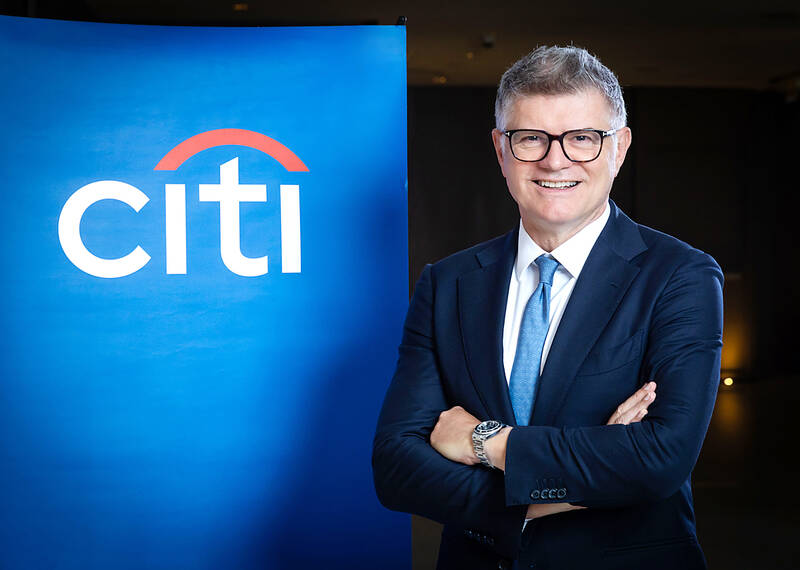
Citigroup's Asia banking head Marc Luet said in Taipei that the bank is positioning Taiwan as a key market to capture rising demand from companies expanding overseas, restructuring supply chains, and financing AI infrastructure. Citi estimates global capital expenditure related to AI could reach US$7.75 trillion(約1200兆円) by 2030.
Why it matters
Taiwan's role in semiconductor manufacturing and the broader AI ecosystem creates long-term growth for international banks. Taiwanese companies are shifting from efficiency-focused to resilience-focused supply chains, expanding into the US, Mexico, Europe, Southeast Asia, and India—moves that require cross-border financing, advisory, and currency hedging services that Citi is positioned to provide.
What to watch
Citi expects technology, media and telecommunications, healthcare, and AI-related industries to remain major drivers of financing activity. The bank's internal AI adoption has reached above 80 percent across its workforce, with colleagues interacting with Citi AI tools more than 42 million times.
Ask the AI about this article →
Taiwan's strategic position in semiconductor manufacturing and the global AI ecosystem has made it a focal point for international banking competition. As companies worldwide accelerate capital spending on AI infrastructure—Citi estimates US$7.75 trillion(約1200兆円) in global outlay by 2030—Taiwanese manufacturers are no longer content to remain production bases for others. Instead, they are expanding overseas to diversify risk, move closer to customers, and secure supply-chain resilience, while preserving high-value research and chip design at home. This transformation creates a surge in demand for complex international banking services: cross-border acquisitions, factory financing, currency hedging, and liquidity management across multiple regions.
Citi's strategy reflects a shift in how global banks compete in Asia. Rather than focusing solely on transaction volume within Taiwan, the bank positions itself as a "global bridge" connecting Taiwanese clients to capital and opportunities worldwide, and connecting foreign investors to Taiwan. The company's presence in more than 90 markets, combined with specialized expertise in cross-border financing and advisory, becomes a structural advantage as Taiwanese firms move from a model of operational efficiency to one of supply-chain resilience. Luet's comments indicate that this transition is already accelerating, with visible activity in the Taiwan-US, Taiwan-Mexico, and Taiwan-Europe corridors, as well as expanding investment into Southeast Asia and India.
For example, today's edition would include:
AI-summarized, only the topics you pick — one digest a day via Email, Slack, or Discord.
Free · takes 30 seconds · unsubscribe anytimeWhat is AIToday? →
Ask AI anything about this article. Q&As are published on this page for other readers too.
BHP, the world's largest mining company by market capitalization, has deployed AI across its operations
Team Liquid announced a new five-year extension of its long-running collaboration with Dell Technologies' Alie…

A University of Mississippi study published in Journal of Interactive Advertising found that AI ads succeed wh…

Goldman Sachs Research says AI supply and demand won't balance until the first half of 2028
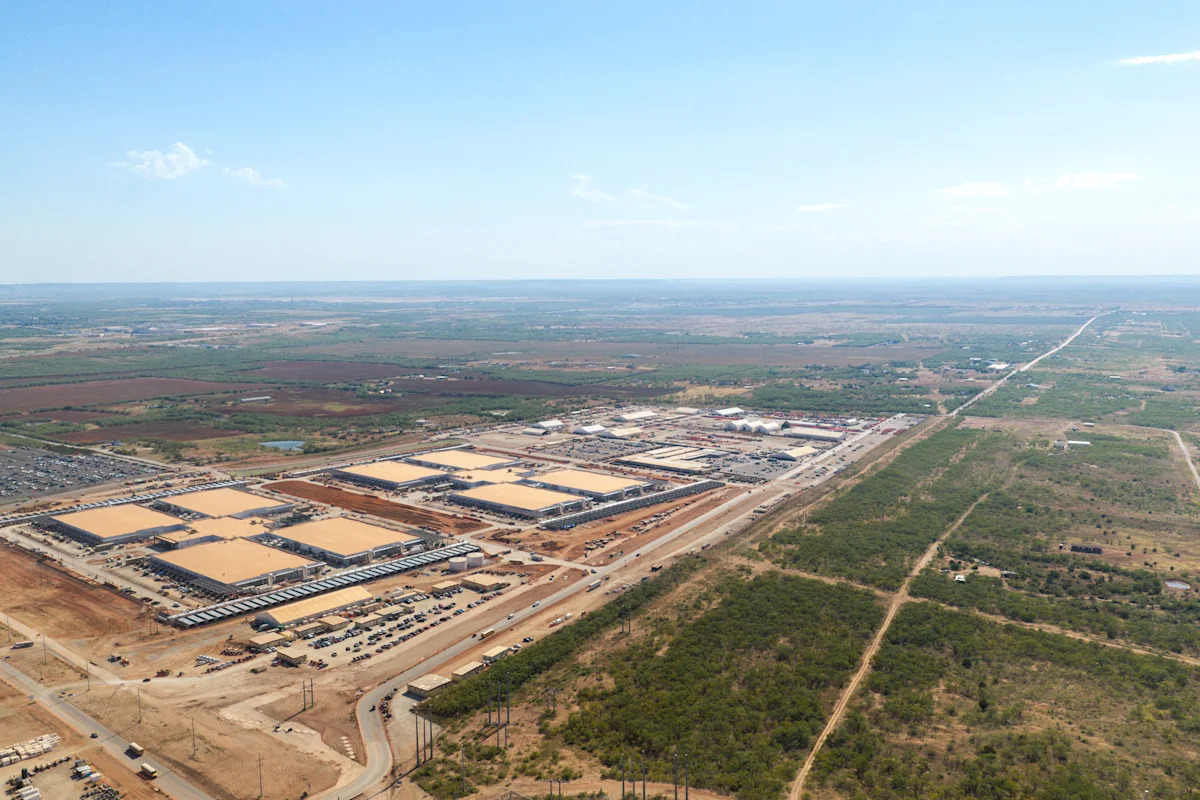
Lam Research broke ground yesterday on a new lab in Tualatin, Oregon

Visa, Mastercard, and Fiserv joined the Agentic Payments Alliance (APA), a 26-company coalition led by stablec…