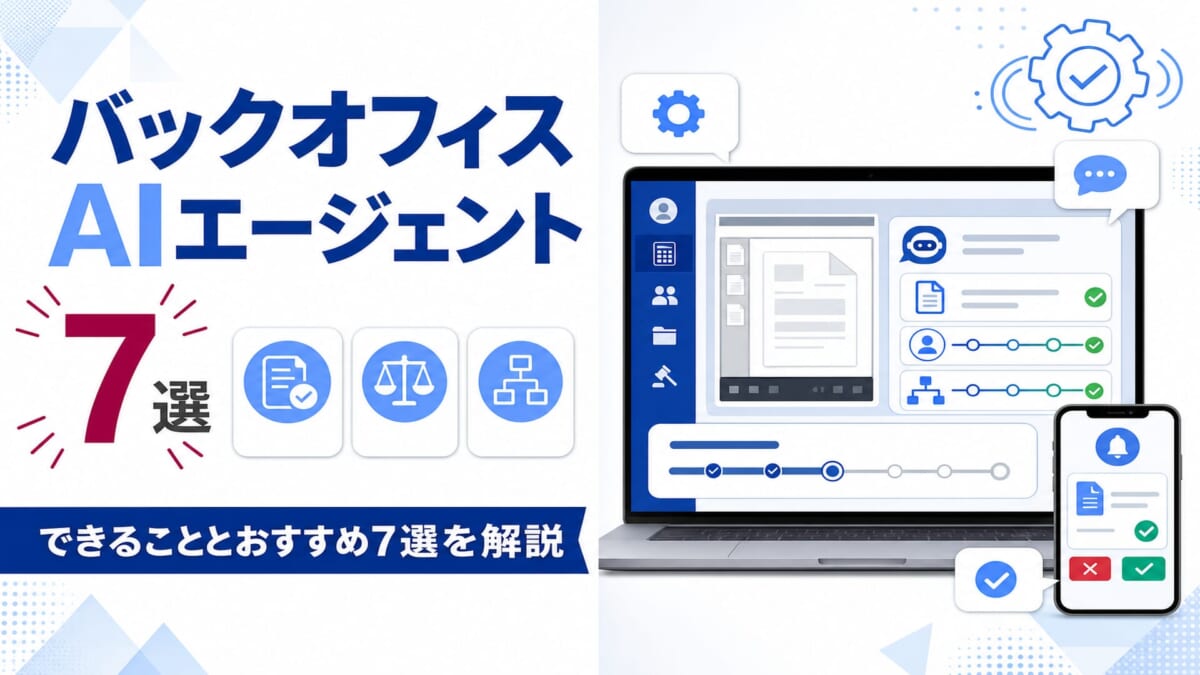
Back-office AI agents are autonomous systems that handle invoicing, expense approval, HR inquiries, contract review, and IT support without constant human instruction—unlike older automation tools, they can interpret varied document formats and make context-aware judgments.
Adoption offers substantial time savings and error reduction, but requires careful security controls on sensitive data and clear rules about where AI output ends and human review begins.
Seven major vendors now offer these agents, with pricing negotiated per deployment.
What happened
Back-office AI agents are autonomous systems that handle accounting, HR, legal, and admin tasks without step-by-step human instruction. Unlike older RPA software (which follows fixed rules) or chatbots (which only answer questions), these agents read documents, make judgments, and execute complete workflows — for example, scanning receipts, assigning account codes, checking company policy, and routing approvals automatically.
Why it matters
Businesses using these agents can cut time spent on high-volume, rule-based work like invoice processing and employee inquiries, reduce data-entry mistakes, handle requests round-the-clock, and avoid over-reliance on individual staff members. The tradeoff is significant: AI can misinterpret facts, expose sensitive employee and contract data if access controls fail, and the boundary between AI tasks and human oversight must be set carefully to avoid confusion on the ground.
What to watch
Seven services dominate the market — バクラク (accounting-focused), マネーフォワード AI Cowork (launching July 2026, cross-department), freee AI (accounting and HR), SmartHR AIアシスタント (HR queries), Microsoft Copilot for Finance (Excel and Outlook), Salesforce Agentforce Operations (full back-office), and Now Assist (HR and IT). Pricing varies by company size and scope; firms should start with high-volume, straightforward tasks and keep human sign-off on all critical decisions.
Ask the AI about this article →
For example, today's edition would include:
AI-summarized, only the topics you pick — one digest a day via Email, Slack, or Discord.
Free · takes 30 seconds · unsubscribe anytimeWhat is AIToday? →
Ask AI anything about this article. Q&As are published on this page for other readers too.

