What happened
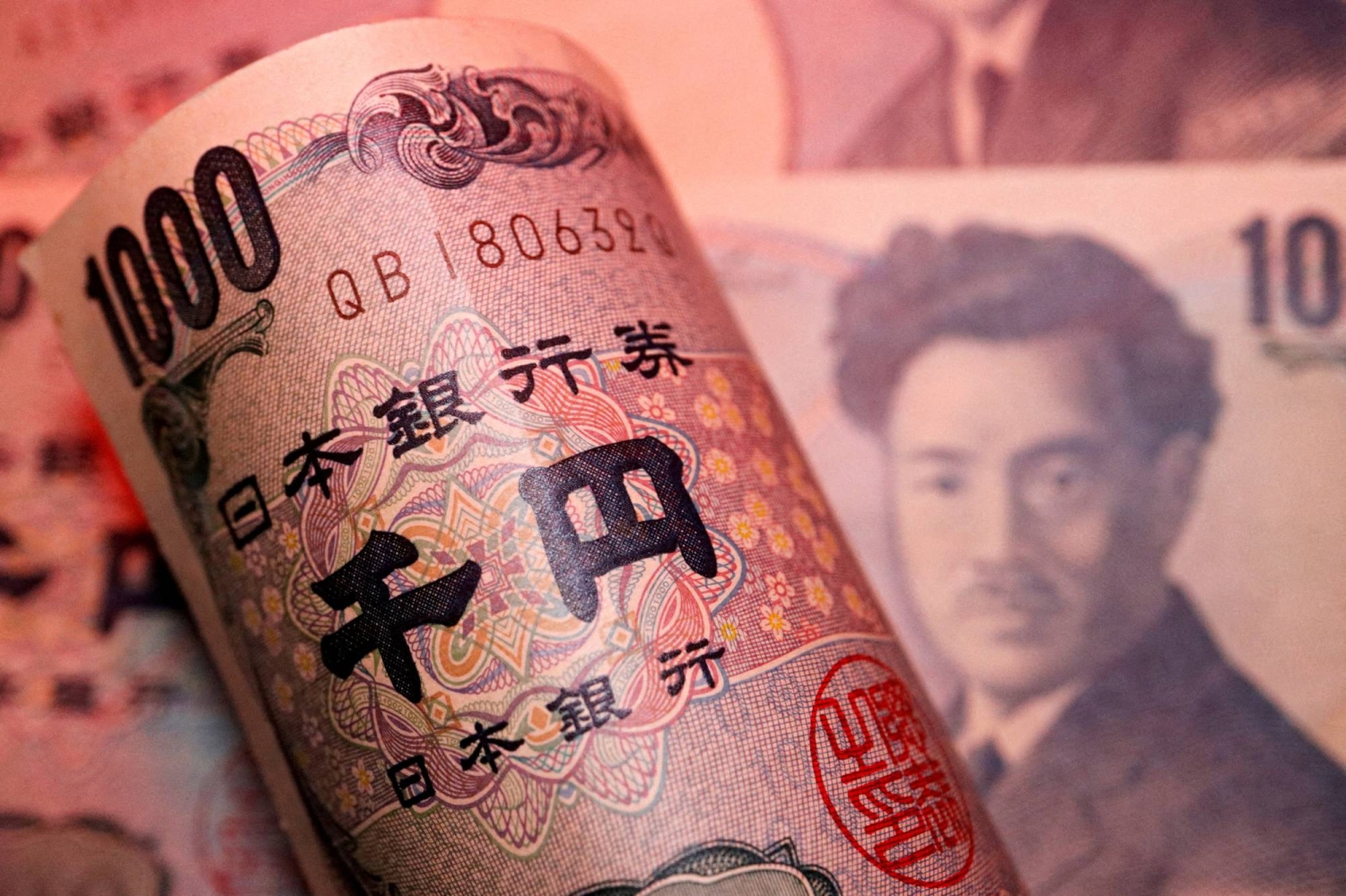
Japan's government intervened in the currency markets between late April and late May, spending ¥11.7 trillion ($73 billion(約12兆円)) to prop up the weakening yen. The yen broke through ¥162 against the dollar on Tuesday, marking its weakest level since 1986, a decline from a high of around ¥75 in 2011.
Why it matters
A weak yen makes Japanese exports more expensive for overseas buyers and erodes the purchasing power of Japanese consumers and businesses dealing in foreign currencies. The prolonged decline has prompted the government to pledge "appropriate action at any time," signaling ongoing concern about the currency's trajectory.
What to watch
The yen weakness mirrors drops in other Asian currencies following the Middle East conflict, suggesting broader regional currency pressures beyond Japan alone.
Summaries like this, in your inbox every morning.
Pick your industry and the AI tools you use, and get news related to your work every day.
Free · 30 seconds with Google · unsubscribe anytimeWhat is AIToday? →
Ask AI anything about this article. The AI reads this article, earlier AIToday articles, and Wikipedia, and cites its sources. Q&As are published on this page for other readers too.

