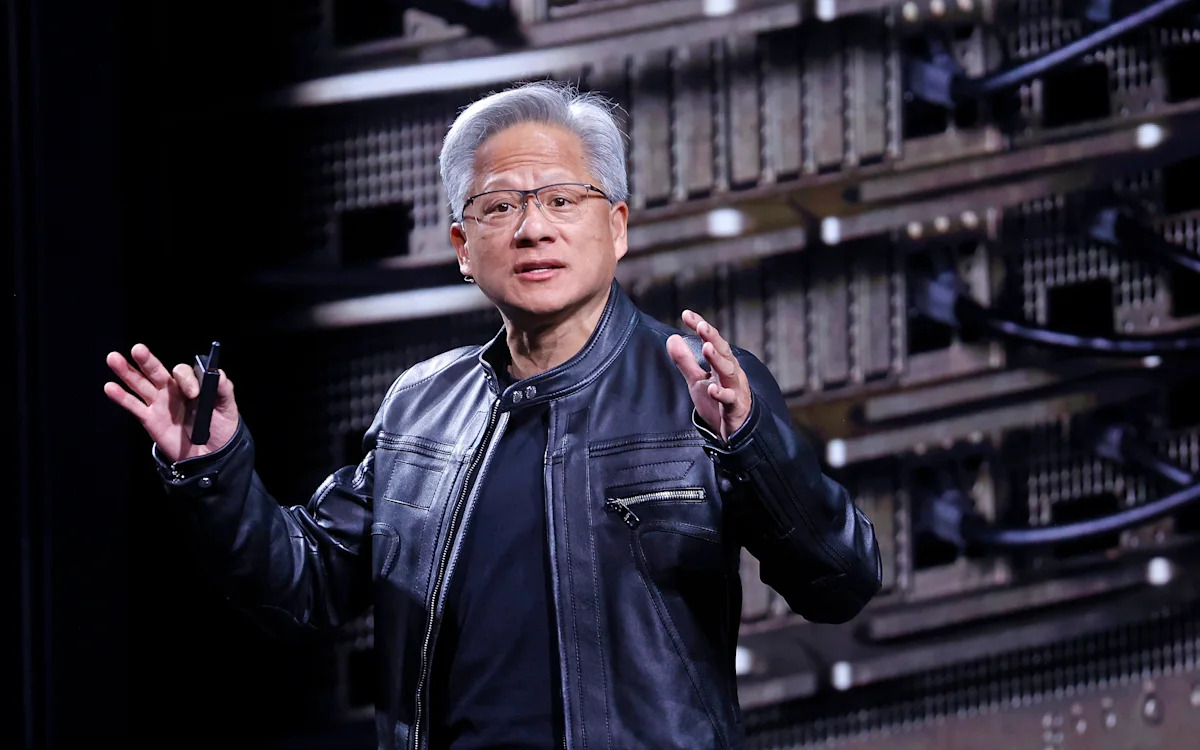
Major tech companies including OpenAI, Google, Apple, and SpaceX are now building custom AI chips to reduce their reliance on Nvidia's dominant market position. Rather than abandoning existing suppliers entirely, these companies are developing custom silicon to gain greater control, optimize hardware for their specific workloads, and achieve performance improvements comparable to Apple's transition away from Intel—signaling a fundamental shift in how the industry approaches AI infrastructure.
Summaries like this, in your inbox every morning.
Sign up free →What happened
OpenAI announced Jalapeño, a custom inference chip (the step where AI produces answers) built with Broadcom. Google, Apple, and SpaceX are also developing their own chips, marking a shift away from relying solely on Nvidia for AI hardware.
Why it matters
Companies building custom silicon gain more control over their hardware, can tune it to their specific needs, and may unlock performance gains similar to what Apple achieved when it moved away from Intel processors. This trend suggests the era of total dependence on a single supplier for AI chips is ending.
What to watch
The custom chip movement is positioned as a hedge rather than a complete break from existing suppliers—companies are seeking to reduce single-supplier risk while maintaining flexibility in their infrastructure choices.
No comments yet. Be the first to share your thoughts!
Log in to join the discussion



Get curated AI news from 200+ sources delivered daily to your inbox. Free to use.
Get Started FreeFree · takes 30 seconds · unsubscribe anytime
5 minutes a day. The AI essentials.
200+ sources · Email / LINE / Slack
