
Humanoid and autonomous robots have moved from labs into live operations at major logistics companies—DHL, UPS, FedEx, and Amazon are already running large fleets of robots to pack, sort, and deliver packages. The shift signals that robotics is now a real investment cycle, not just a trade-show concept.
These robots address a concrete business problem: acute labor shortages in warehouses and delivery networks. Collaborative robots work alongside humans, machine-vision systems (cameras that identify objects) sort packages, and autonomous mobile robots move inventory—collectively solving the staffing crunch that has squeezed logistics companies for years.
If you manage a portfolio or retirement account, three new ETFs now let you invest in the entire robotics supply chain at once—from the companies making the robots and software to the semiconductor suppliers and automation components. This makes it easier to gain exposure to the logistics-robotics boom without picking individual winners.
Ask the AI about this article →
For example, today's edition would include:
AI-summarized, only the topics you pick — one digest a day via Email, Slack, or Discord.
Free · takes 30 seconds · unsubscribe anytimeWhat is AIToday? →
Ask AI anything about this article. Q&As are published on this page for other readers too.
GE Aerospace's Lynn, Massachusetts facility is integrating robots and AI into its manufacturing operations, re…

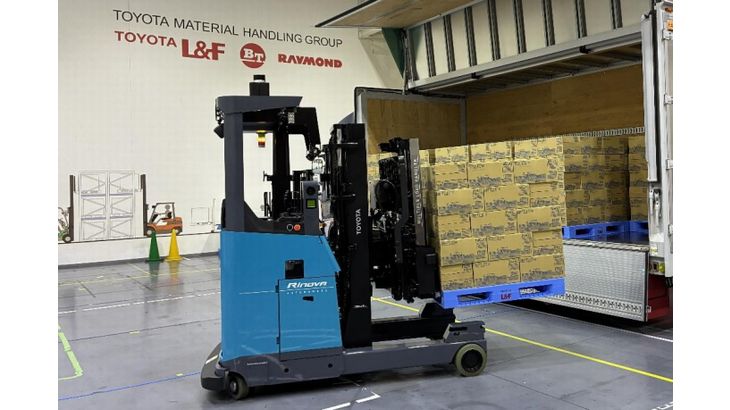
Suntory Logistics and Toyota Industries announced on September 1 that they will begin a demonstration test in…
AWS Japan held a成果発表会 on August 31, 2026, where 13 projects from 14 companies presented results from its physi…

Google DeepMind unveiled Gemini Robotics 2, the latest vision-language-action (VLA) model, with whole-body con…
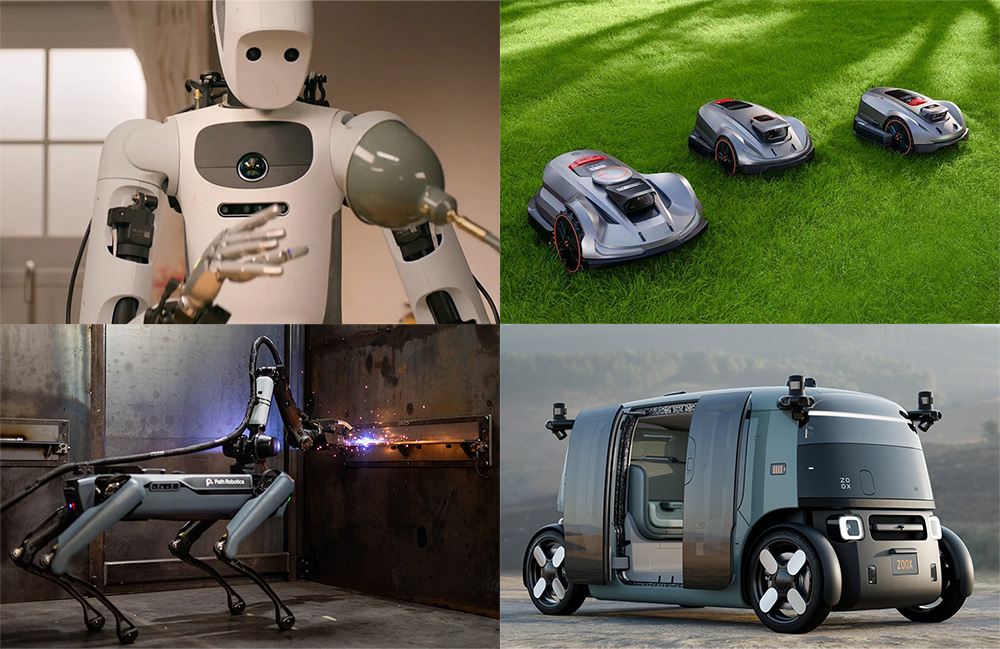
At RoboBusiness 2026, held Oct

K-Safety Expo 2026 will be held at BEXCO in Busan from September 2–4, featuring AI, robots, sensors, and conne…