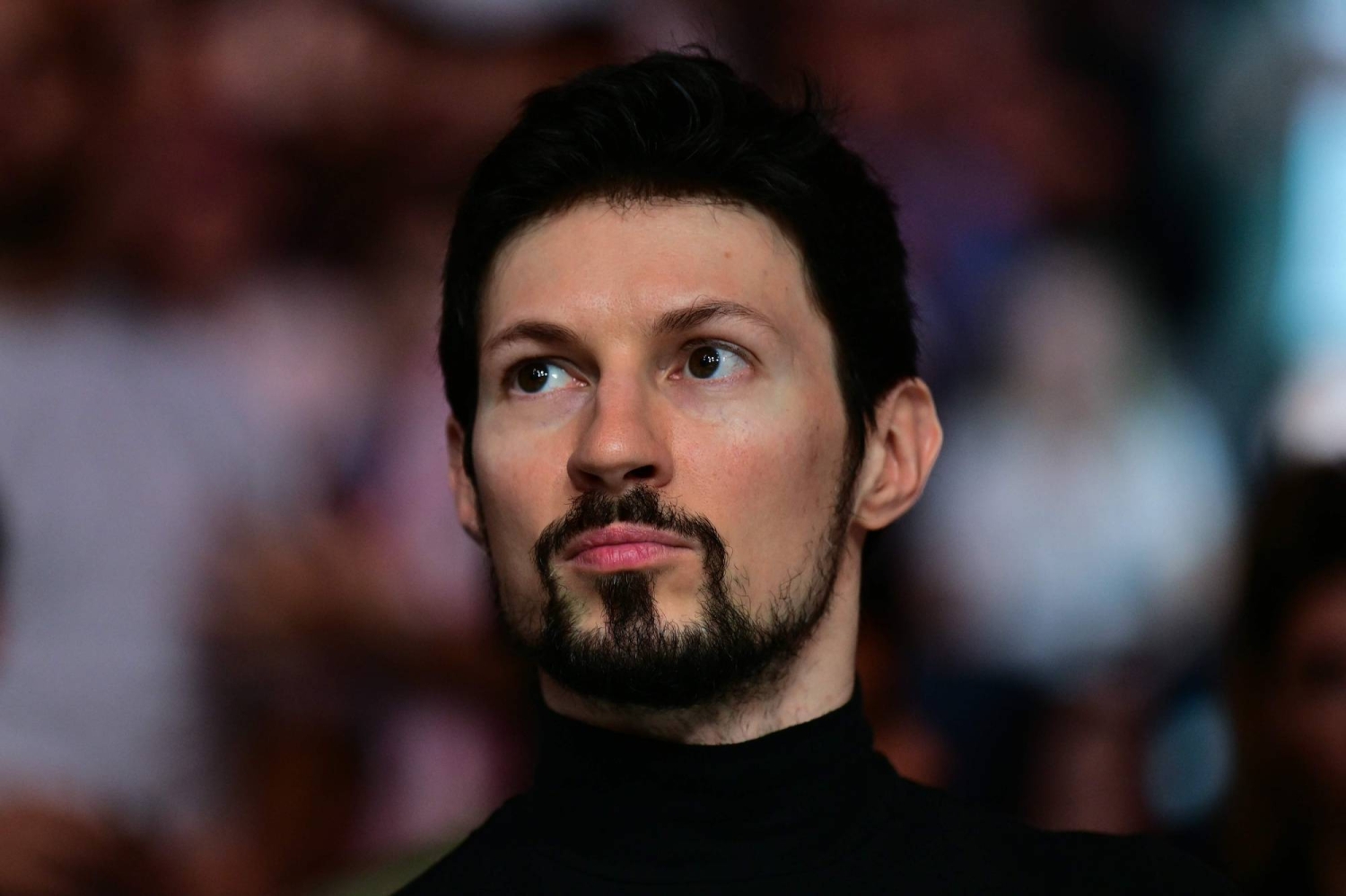
Russia has charged Telegram co-founder Pavel Durov with aiding terrorism, claiming he allowed the messaging app to be used by Ukrainian security services. Durov, a Russian-born billionaire who left the country in 2014 after refusing state demands for user data, has been placed on an international wanted list. The charge marks an escalation in Moscow's long-running conflict with Durov over Telegram's independence and resistance to state control, and comes as Russia has repeatedly tried to restrict or block the app's access.
Summaries like this, in your inbox every morning.
Sign up free →What happened
Russia's Federal Security Service (FSB) charged billionaire Telegram co-founder Pavel Durov, 41, with aiding terrorism, accusing him of allowing the messaging app to be used by Ukrainian security services. Durov has been placed on the international wanted list, and he has not commented on the allegations or disclosed his current location.
Why it matters
Durov left Russia in 2014 after refusing to hand over personal data to the Kremlin, and has repeatedly criticized the Russian government's attempts to restrict access to Telegram and suppress free speech. The terrorism charge is the latest in an escalating conflict between Durov and Moscow, which has long sought to control the platform; it also reflects broader Russian efforts to tighten control over communications tools during the war in Ukraine.
What to watch
Durov is also facing an ongoing French investigation into allegations that he was complicit in the spread of sexual images of children and other crimes on Telegram; France initially barred him from leaving the country until a travel ban was lifted last year. He has pledged to improve how the platform handles illegal content and make it easier for authorities to send requests.
Pavel Durov, the 41-year-old co-founder of Telegram, has been charged by Russia's Federal Security Service with aiding terrorism and placed on an international wanted list. The FSB alleges that Durov failed to remove numerous channels, chats, and bots used by Ukrainian special services and extremist organizations to coordinate acts of sabotage, terrorism, mass murder, and cyber-fraud. The agency further claimed that the use of Telegram in Ukrainian combat areas has endangered Russian servicemen by allowing Ukrainian special services to obtain military intelligence from the platform.
Durov's conflict with the Russian state extends back to 2014, when he left Russia rather than comply with FSB demands to hand over personal data of Ukrainians who participated in the pro-Western Kyiv revolution. Before his departure, he had founded VKontakte, Russia's leading social media platform. His subsequent departure and Telegram's growth as an independent messaging service have made him a persistent source of friction with Moscow. In February, Russian officials opened an investigation into Durov after he publicly criticized the state's crackdown on social media. State media responded by describing him as a "direct threat to socio-political stability" in Russia and suggesting he was under foreign influence. Durov countered by accusing Russian authorities of seeking "new pretexts to restrict Russians' access to Telegram" and suppressing "the right to privacy and free speech," calling the government's actions "a sad spectacle of a state afraid of its own people."
Russia's campaign against Telegram itself has intensified over time. The communications watchdog limited access to the platform, accusing it of failing to comply with domestic data-storage laws, and moved to block voice and video calls via Telegram in August of the previous year. Durov has not yet commented on the terrorism allegations, and his current location remains unclear. Separately, he is also facing an ongoing investigation in France stemming from 2024 charges that he was complicit in the spread of sexual images of children and other crimes on Telegram. France initially barred him from leaving the country, though that ban was lifted. In response to these pressures, Durov has pledged to improve how Telegram handles illegal and harmful content and to make it easier for authorities to send requests to the platform.
Pavel Durov's relationship with Russia has been adversarial since 2014, when he chose exile over surrendering user data to the Kremlin. His refusal established a pattern of resistance to state control that has persisted as Telegram grew into one of Russia's most widely used messaging platforms. The timing of the terrorism charge follows months of escalating rhetoric: in February, Russian officials opened an investigation after Durov criticized the state's crackdown on social media, and state media labeled him a "direct threat" to political stability. The FSB's focus on Telegram's use in Ukraine reflects Russia's broader concern that the platform enables Ukrainian military coordination—a concern Moscow has used to justify attempts to restrict or block access. The charges represent the Kremlin's attempt to weaponize national security and counterterrorism frameworks against Durov's independent stance on privacy and free speech.
AI-summarized, only the topics you pick — one digest a day via Email, Slack, or Discord.
Free · takes 30 seconds · unsubscribe anytime
No discussion yet for this article
Get curated AI news from 200+ sources delivered daily to your inbox. Free to use.
Get Started FreeFree · takes 30 seconds · unsubscribe anytime
