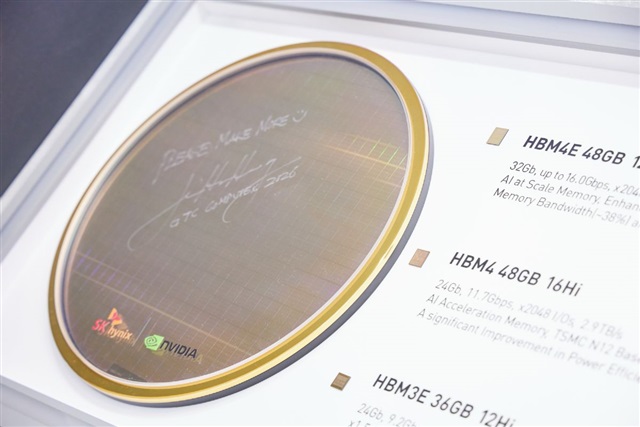
High-bandwidth memory (HBM) prices are expected to more than double in 2027 as Nvidia's Rubin platform drives demand higher, production of the newer HBM4 technology raises manufacturing costs, and long-term supply deals lock up more of the global DRAM supply. This tightening market could significantly increase the cost of AI chip deployments.
Summaries like this, in your inbox every morning.
Sign up free →What happened
High-bandwidth memory (HBM) prices could more than double in 2027, driven by Nvidia's Rubin platform demand, higher production costs from HBM4 technology, and long-term supply agreements that lock up more of the global DRAM capacity, according to memory industry sources.
Why it matters
For businesses building or purchasing AI systems, sharply rising memory costs could increase the overall expense of deploying advanced AI chips. The tightening supply reflects how quickly demand for AI infrastructure is outpacing memory production capacity.
What to watch
The supply pressure depends on whether long-term agreements continue to absorb a growing share of available DRAM capacity and how successfully manufacturers ramp HBM4 production to meet Rubin-driven demand.
The memory market faces a structural squeeze in 2027 as three forces converge. Nvidia's Rubin platform is expected to drive substantial demand for HBM, the specialized memory that AI chips require to move data at the speeds modern inference and training demands. At the same time, manufacturers are transitioning to HBM4, a more advanced generation that carries higher production costs than its predecessors. The third pressure comes from the supply side: memory producers have increasingly signed long-term agreements with major customers, locking up a larger fraction of total DRAM capacity and leaving less available for spot-market purchase. Together, these dynamics leave the HBM market tighter than it has been, with fewer alternatives for buyers who face both limited supply and rising unit costs. For companies planning large-scale AI deployments, the 2027 timeframe signals that memory cost will be a material factor in total system pricing.
No discussion yet for this article
Get curated AI news from 200+ sources delivered daily to your inbox. Free to use.
Get Started FreeFree · takes 30 seconds · unsubscribe anytime
1 minute a day. The AI essentials.
200+ sources · Email / LINE / Slack
