What happened
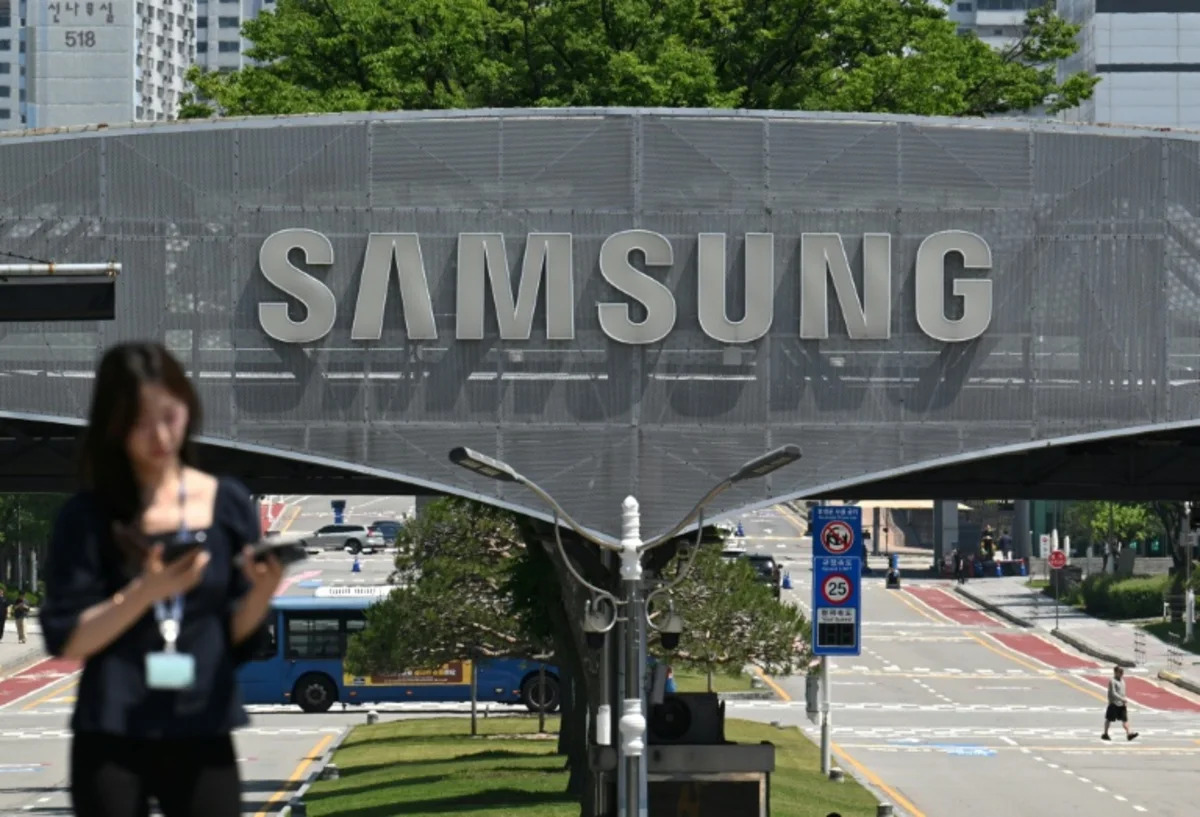
Samsung Electronics forecast April-June operating profit of 89.4 trillion won ($58.4 billion(約9.3兆円)), a 1,810 percent increase year-over-year, driven by global demand for memory chips used in AI data centres. Revenue is estimated to have risen 129 percent to 171 trillion won.
Why it matters
The surge reflects frenzied global demand for advanced memory chips in AI infrastructure. A business professor noted this would be Samsung's largest quarterly operating profit in history, potentially exceeding Nvidia's. However, the company faces uncertainty about how long this demand will persist—it is secured through next year, but beyond that remains unclear.
What to watch
Samsung and rival SK hynix are investing 800 trillion won in a new chip fabrication hub in the country's southwest. Analysts debate whether the company can sustain current earnings levels while this factory cluster is built, and some point to potential delays in AI infrastructure investment as a risk to the memory boom.
Summaries like this, in your inbox every morning.
Samsung's forecast reflects the extraordinary surge in demand for memory chips driven by AI infrastructure buildout. Frenzied global competition for advanced chips used in data centres has already helped South Korean semiconductor giants post record profits this year, and Samsung's latest projection reinforces that trend. The company's estimated quarterly profit would surpass even Nvidia's historical performance, marking a significant inflection point in the memory chip market.
However, the sustainability of this boom remains contested. While demand is secured through next year, analysts acknowledge genuine uncertainty beyond that timeframe. This creates a paradoxical challenge for Samsung: even as it invests heavily in new capacity alongside SK hynix—committing 800 trillion won to a new fabrication hub—the company must weigh whether current earnings can be maintained during the construction phase. Some analysts flag potential delays to AI infrastructure projects as a downside risk, though others argue there is no clear evidence yet of a narrowing gap between supply and customer demand. Meanwhile, the memory boom has created secondary effects: as chipmakers prioritise the lucrative AI sector, they have reduced output of chips for consumer electronics, pushing up device prices.
Pick your industry and the AI tools you use, and get news related to your work every day.
Free · 30 seconds with Google · unsubscribe anytimeWhat is AIToday? →
Ask AI anything about this article. The AI reads this article, earlier AIToday articles, and Wikipedia, and cites its sources. Q&As are published on this page for other readers too.

