
What happened
Technology investors are reassessing AI investments as major companies face rising capital expenditure on cloud and AI infrastructure. Microsoft is investing about $65 billion(約10兆円) in fiscal 2025 while generating annualised AI revenue of roughly $37 billion(約5.9兆円), and this spending pattern is expected to increase depreciation costs and slow earnings per share growth across the sector.
Why it matters
The sharp increase in capital spending will reduce free cash flow and limit share repurchases at Microsoft, Alphabet, and Meta Platforms—practices that have historically supported stock valuations. If AI revenue takes longer to materialize, investors may become unwilling to pay premium earnings multiples, potentially weighing on share prices even as long-term AI adoption remains strong.
What to watch
Oracle faces particular risk, as its investment programme including support for Project Stargate could pressure cash flow and increase funding needs. Nvidia may also face competition as Microsoft, Alphabet, and Amazon develop their own AI chips to improve infrastructure efficiency.
Summaries like this, in your inbox every morning.
The tension between AI opportunity and financial strain is reshaping how investors view technology stocks. Companies are spending heavily on infrastructure because demand for AI computing continues to exceed available capacity, and most can finance these investments through operating cash flow—suggesting the spending is economically grounded. However, the body of the spending itself creates a valuation trap: depreciation costs rise, free cash flow shrinks, and buyback programmes tighten, all while the actual revenue payoff from AI services may lag behind the capital outlays.
This dynamic has already surfaced in stock volatility during the first half of 2026, with Microsoft down 20%, Oracle down 27%, but Alphabet up 14%, suggesting the market is differentiating between companies based on their ability to convert spending into earnings. The crux for investors is not whether AI spending is justified in the abstract, but whether the timing and magnitude of revenue growth will ultimately validate the capital intensity of today's buildout. If that growth lags, the premium valuations that supported stock prices during the early AI enthusiasm may contract, even as the long-term case for AI adoption remains intact.
Pick your industry and the AI tools you use, and get news related to your work every day.
Free · 30 seconds with Google · unsubscribe anytimeWhat is AIToday? →
Ask AI anything about this article. The AI reads this article, earlier AIToday articles, and Wikipedia, and cites its sources. Q&As are published on this page for other readers too.
In Q2, billionaires or their funds sold six 'Magnificent Seven' AI stocks
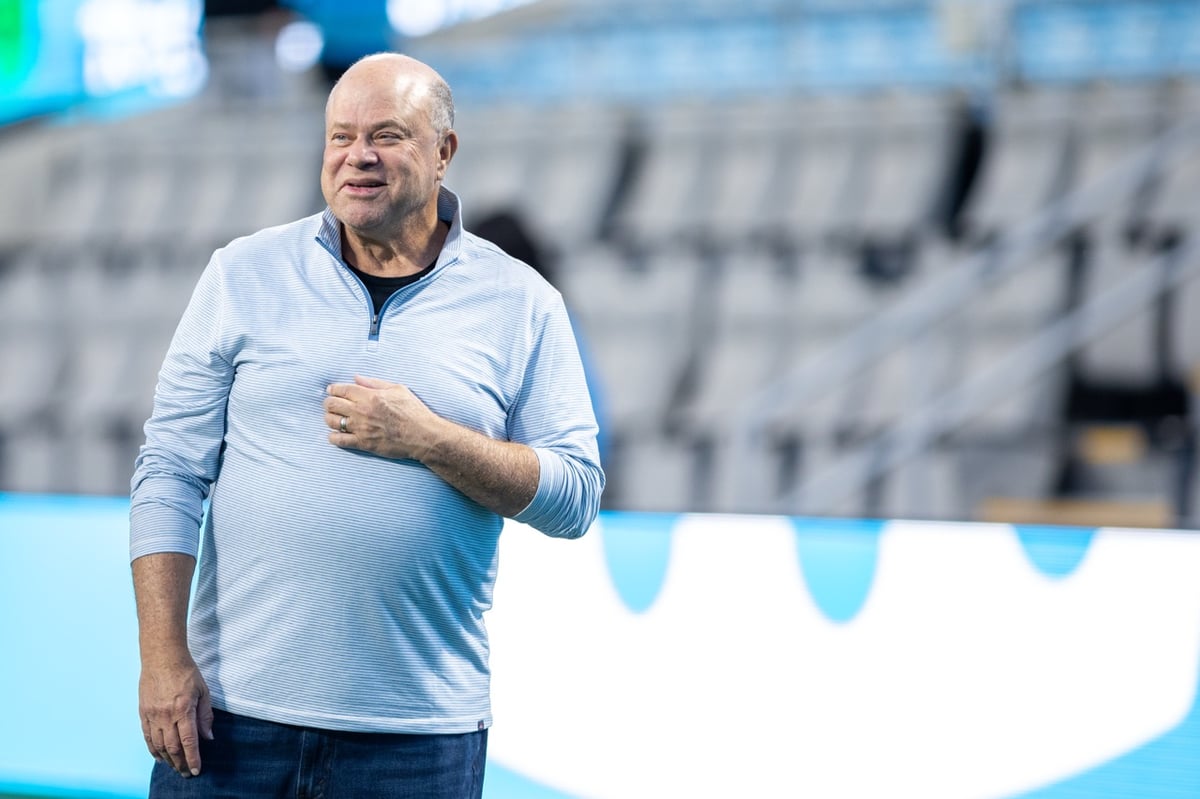
Nvidia was rising early Friday, even as the wider chip sector kept falling, Barron's reported

ElevenLabs completed a $300 million employee tender at a $22 billion valuation, and co-founder Mati Staniszews…

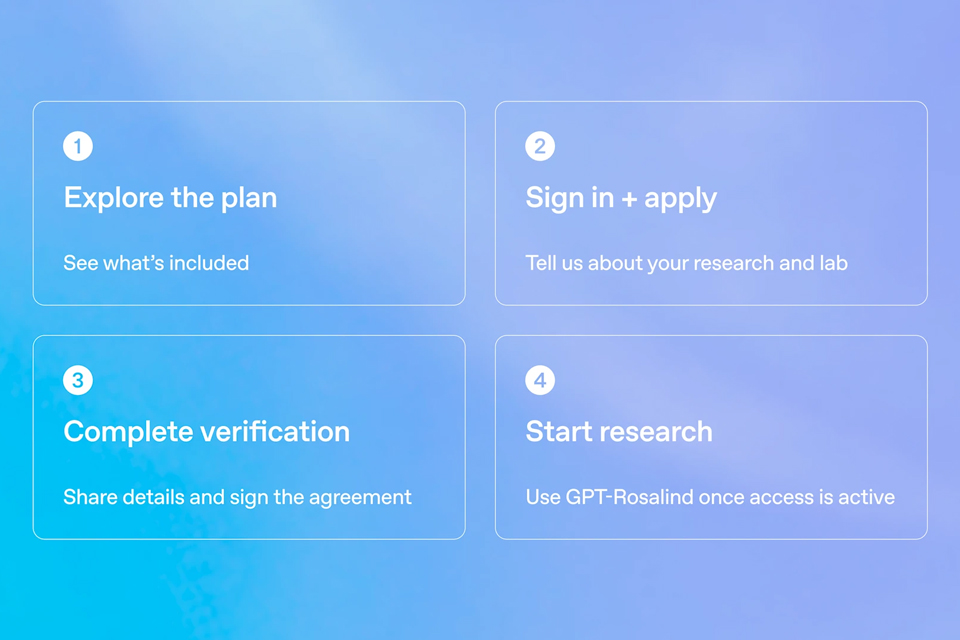
On October 15, OpenAI announced the Rosalind Academic Plan, giving approved US university labs free access to…
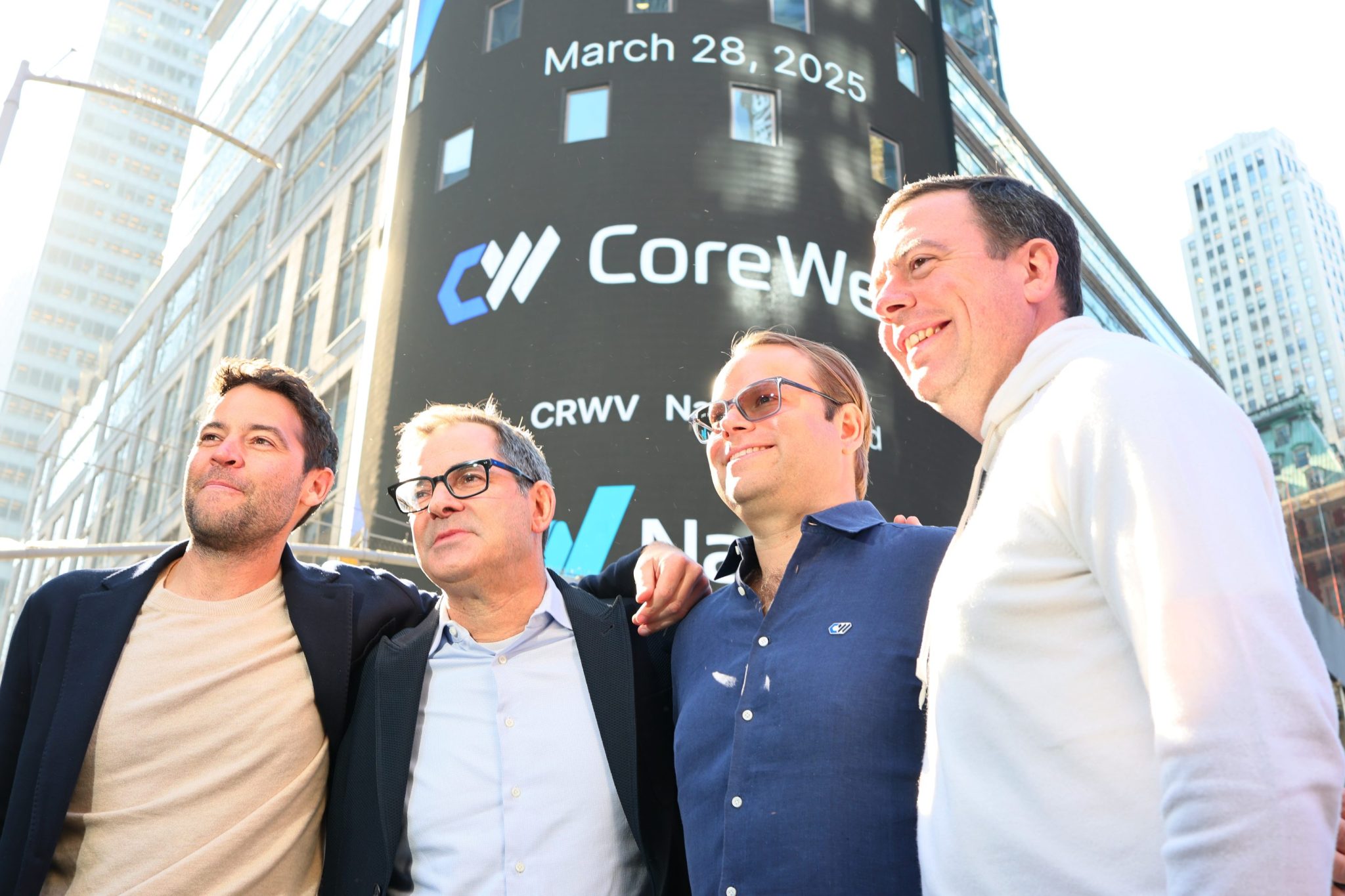
Neostellar Capital principal Evan Schlossman said CoreWeave's $103.7 billion in remaining performance obligati…
Supermicro Computer appointed Mark Long as chief financial officer, bringing an experienced technology finance…