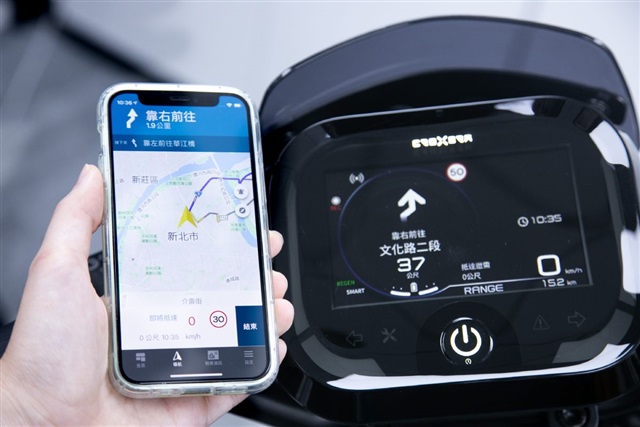
A major two-wheeler manufacturer that pioneered connected motorcycle systems a decade ago is shutting down those services by 2027, signaling a reset in the motorcycle IoT sector after initial hype failed to translate into sustained commercial success.
Summaries like this, in your inbox every morning.
Sign up free →What happened
A leading two-wheeler maker that pioneered connected motorcycle systems 10 years ago has announced it will end related services in 2027, reigniting discussion about the state of motorcycle IoT technology.
Why it matters
The decision signals a recalibration of the motorcycle IoT market after years of initial enthusiasm. It suggests that connected motorcycle services—once positioned as a major growth area—have faced challenges in delivering sustained value or adoption that justified continued investment.
What to watch
The 2027 end date for the company's services, and whether this move prompts other motorcycle manufacturers to reassess their own connected-vehicle strategies or accelerate alternatives.
A leading two-wheeler manufacturer that pioneered connected motorcycle systems 10 years ago has announced plans to end those services in 2027. The announcement has prompted the broader market to reassess the state of motorcycle IoT technology and services. Once positioned as a significant emerging category, motorcycle IoT has not sustained the momentum or market enthusiasm that characterized its early years. The company's exit from the space indicates that connected motorcycle services, despite their technical feasibility and early promise, have encountered challenges—whether in customer adoption, business model viability, or return on investment—that have made continued operation impractical. The 2027 timeline gives customers and the industry a deadline to prepare, and may influence how other motorcycle manufacturers approach their own IoT and connectivity strategies going forward.
The motorcycle IoT sector emerged as a point of industrial interest roughly a decade ago, with early adopters investing in connected systems to differentiate their products. The leading manufacturer's decision to wind down those services by 2027 reflects a broader market realignment: the initial promise of motorcycle connectivity—whether for diagnostics, fleet management, or rider experience—has not delivered the commercial return or user adoption needed to justify ongoing investment. This pullback is consistent with a pattern in IoT more broadly: early enthusiasm often outpaces real-world demand and business model viability. The move suggests that connected motorcycle services, while technologically feasible, faced obstacles in user adoption, cost justification, or differentiation that made them unsustainable in the company's portfolio.
AI-summarized, only the topics you pick — one digest a day via Email, Slack, or Discord.
Free · takes 30 seconds · unsubscribe anytime
No discussion yet for this article
Get curated AI news from 200+ sources delivered daily to your inbox. Free to use.
Get Started FreeFree · takes 30 seconds · unsubscribe anytime
1 minute a day. The AI essentials.
200+ sources · Email / LINE / Slack

