What happened
Panasonic Industry deployed generative AI at its Yamaguchi plant to structure veteran know-how, using digital twins and AI agents. This cut equipment recovery time by up to 30% and material-waiting losses by over 50%.
Why it matters
Operators' skills previously dictated productivity, and about 50% of equipment predates 2010. The plant now converts tacit operational judgment into shared data, shifting from individual-dependent output to data-driven decisions.
What to watch
Sub-AI agents, in use since August 2026 with 20 designs completed, are key. The plant plans voice recommendations during fiscal 2026, so success hinges on whether operators keep trusting and using these AI tools.
WHO IT HITSFactory operators and line managers at the Yamaguchi plant now rely on AI to prioritize tasks, which helps temporary workers respond efficiently and minimizes downtime. The initiative is expected to benefit similar regional manufacturing sites seeking to preserve skills and improve productivity.
Ask the AI about this article →
Summaries like this, in your inbox every morning.
Panasonic Industry's Yamaguchi plant has a 57-year history, producing only capacitors since 1970. The push to digitize comes as demand rises for high-reliability, high-current capacitors in EVs and data centers, requiring flexible multi-product manufacturing across 10,000 to 20,000 product numbers.
The core challenge was that productivity depended heavily on operators' skills, with no industry-standard model suitable for such a legacy facility. Starting with just two people, the team tackled tacit knowledge first, adding PLCs to older equipment—about 50% predates 2010—to enable data collection. They now gather 50 million equipment and material data points monthly, alongside quality and operational data, feeding digital twins in a virtual space.
The stakes lie in whether AI agents, designed to present actions from team leader to department manager perspectives, maintain operators' trust. The plant's goal is not full automation but human-AI collaboration, potentially setting a template for revitalizing regional manufacturing in Japan while ensuring skills are not lost as veteran workers retire.
For example, today's edition would include:
AI-summarized, only the topics you pick — one digest a day via Email, Slack, or Discord.
Free · 30 seconds with Google · unsubscribe anytimeWhat is AIToday? →
Ask AI anything about this article. Q&As are published on this page for other readers too.
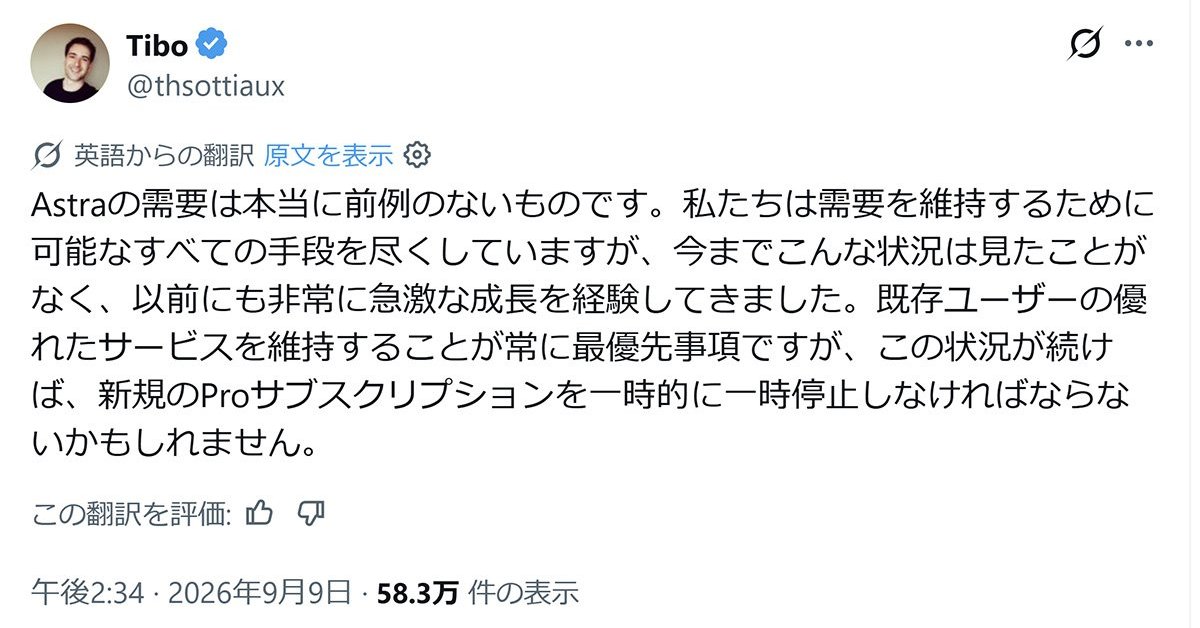
OpenAI product lead Tibo said on September 9 that surging demand for GPT-6 Astra may force a temporary halt on…
Stratechery says OpenAI solved one of the most famous math problems, calling it extremely impressive but of li…

Conveo, a two-year-old Belgian startup, raised $50 million in a Series A from DST Global, Balderton Capital, V…

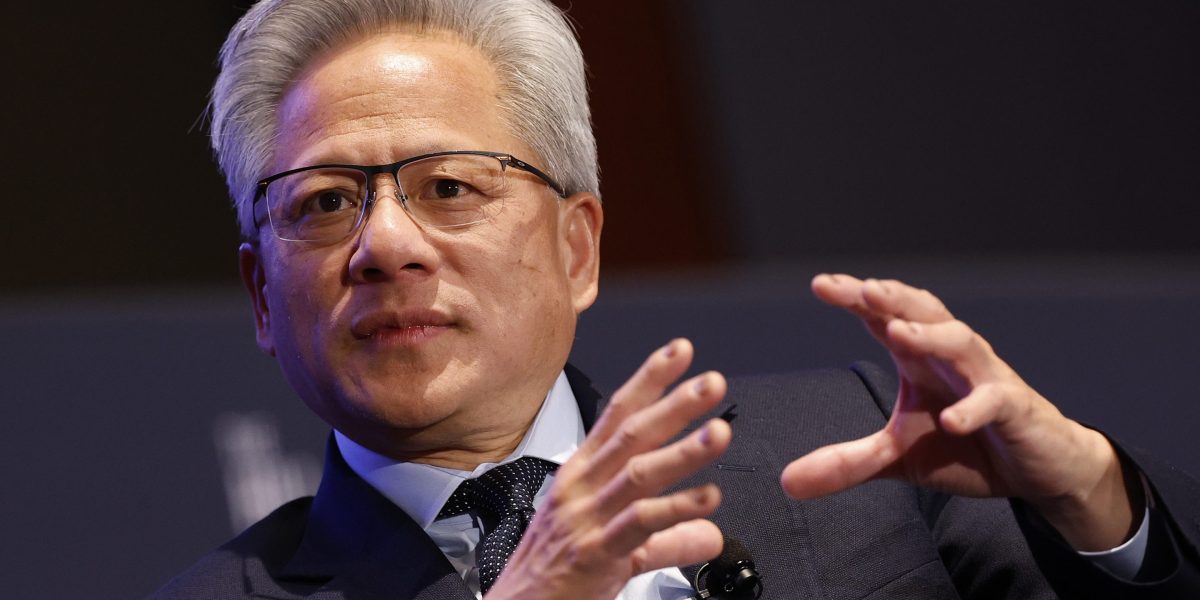
Jensen Huang declared AGI has arrived with OpenAI's Astra, trained on 100,000 Grace Blackwell chips
Anthropic released Claude Fable 5.1 and Mythos 5.1 with lower pricing and stronger agentic performance, claimi…
LG Innotek is applying its own AI to semiconductor glass substrate manufacturing to tackle microcracks, a majo…