China's economy is splitting into two worlds: a handful of AI-focused tech hubs like Hefei are booming with the strongest growth in at least two decades, while the rest of the country has slowed sharply.
Even within the winning cities, however, the gains are concentrated in factories rather than households—retail sales are actually shrinking because automation and temporary contract workers in the chip plants are limiting consumer spending.
What happened
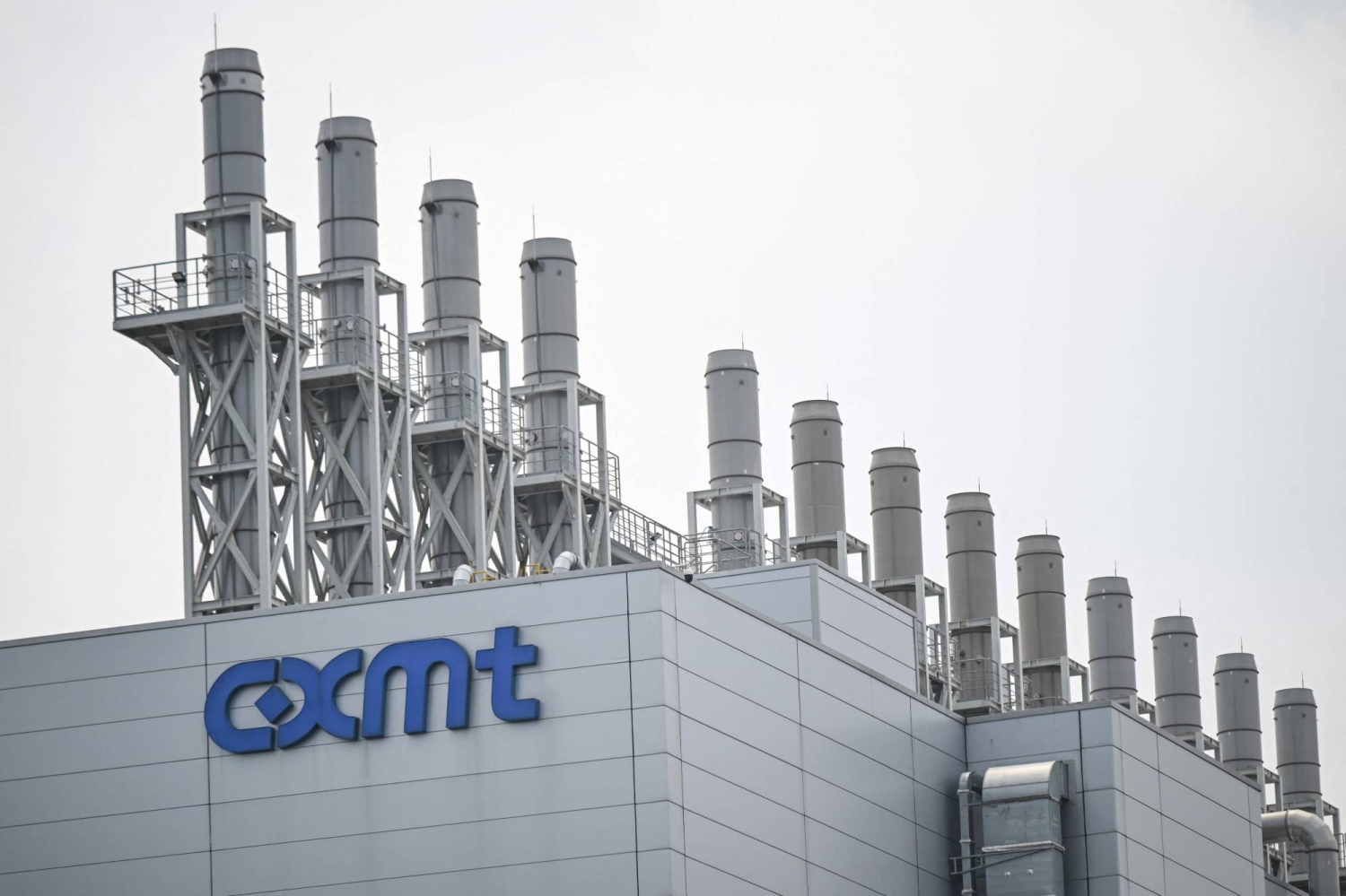
A handful of Chinese tech hubs—including Hefei, home to memory chipmaker CXMT Corp—are delivering their biggest share of China's growth in at least two decades, while the rest of the country has slowed to the bottom edge of Beijing's full-year target. CXMT itself soared 470% in its market debut in Shanghai on July 27. Meanwhile, cities like Changchun, traditionally focused on gasoline-powered carmaking, are facing what local officials called "unprecedented" difficulties.
Why it matters
The AI boom is creating a stark two-tier economy: factories in boomtowns like Hefei are racing to meet global demand for AI hardware, yet retail sales are shrinking in these same cities because automation and temporary labor in those factories are reducing household spending. The windfall from the AI transformation is not reaching ordinary residents, even in the winning cities.
What to watch
Whether the divergence between AI-hub growth and the rest of China's economy will widen further, and whether boomtown cities can find ways to translate chipmaking success into broader household income and consumer demand.
China's economy is fracturing along AI lines. In Hefei, the capital of Anhui province in eastern China, memory-chip factories are operating at full stretch to meet global demand for AI hardware. The city is home to CXMT Corp, a leading Chinese memory chipmaker that exemplifies the boom—on July 27, CXMT soared 470% in its Shanghai market debut. Meanwhile, in Changchun, a rust-belt city built on gasoline-powered carmaking, the picture is far bleaker. Local officials admitted to facing "unprecedented" difficulties, a phrase that was later removed after drawing social media attention, suggesting the scale of the downturn there.
According to Nomura Holdings, this two-city snapshot reflects a broader economic split. A handful of tech hubs delivered their biggest share of China's total growth in at least two decades during the first half of the year, while the rest of the country slowed to the bottom edge of Beijing's full-year growth target. The AI transformation is concentrating gains in specific regions—those with chipmaking capacity and semiconductor expertise—while leaving traditional industrial centers struggling.
But even within the AI boomtowns, the wealth is not trickling down to residents. Retail sales are shrinking in several of these cities, a counterintuitive sign of trouble beneath the factory boom. The reason is that the very plants driving the surge rely heavily on automation and temporary contract labor, which undercuts the household incomes that would normally fuel consumer spending. The result is a peculiar form of growth: factories thriving, global demand roaring, and stock prices soaring, while local retail shrinks and workers remain on precarious, low-wage contracts. The AI windfall, in short, is reaching capital and corporations but bypassing the households next door.
China's AI boom is reshaping the country's economic geography in sharply uneven ways. According to Nomura Holdings, a small cluster of tech hubs delivered their biggest contribution to China's overall growth in at least two decades during the first half of the year, even as the broader economy decelerated to the lower bound of Beijing's full-year target. This divergence reflects the concentration of AI hardware demand—particularly for memory chips—in specific industrial centers like Hefei. The contrast with cities like Changchun, which built their economies on traditional carmaking, underscores how the global AI boom is reordering which regions stay competitive and which face obsolescence.
Yet the article signals a paradox within the boomtowns themselves: the factories are thriving, but households are not. Retail sales are shrinking in several AI-hub cities, a sign that the wealth generated by chip production is not circulating through local consumer economies. The reason appears structural—the very factories driving growth rely on automation and temporary contract labor rather than stable, well-paid employment that would boost household spending. This suggests that even in the cities winning the AI race, the benefits are narrowly concentrated in capital and corporate profits rather than broadly shared with workers and communities.
AI-summarized, only the topics you pick — one digest a day via Email, Slack, or Discord.
Free · takes 30 seconds · unsubscribe anytime
The AI news that matters, in one minute each morning.
Sign up free