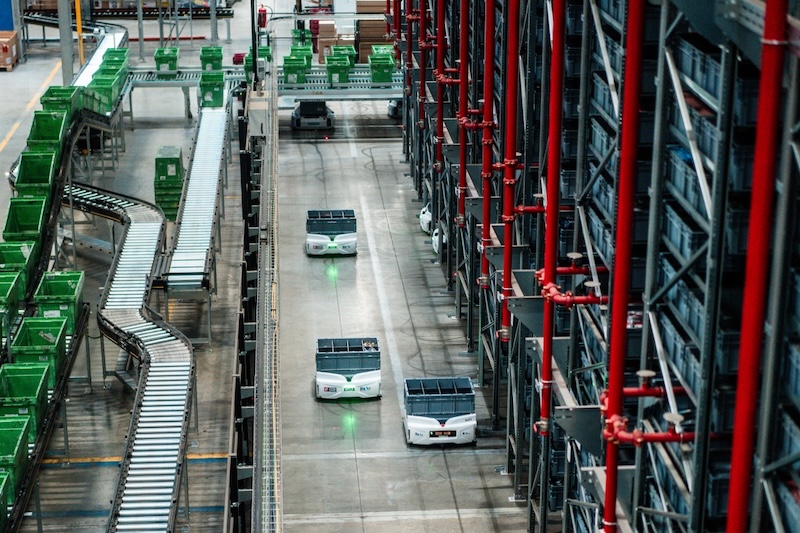
Four strategic shifts are redefining warehouse logistics in 2026, according to Exotec's western Europe managing director. Goods-to-person automation delivers items to stationary workers, cutting daily walking distances up to 15km and reducing physical strain, while accounting for significant cost savings in non-automated warehouses—put-away, storage, and picking operations represent up to 52% of non-automated warehouse costs.
Real-time AI-driven demand sensing replaces traditional forecasting, shortening planning cycles and moving companies toward more resilient just-in-case inventory models.
Digital twin technology, previously used in aerospace, now allows logistics operators to simulate warehouse and robotics scenarios without interrupting live operations, providing a decisive competitive advantage in an industry where downtime directly translates to lost productivity.
What happened
Thomas Genestar, managing director of western Europe at Exotec, outlined four strategic pillars reshaping supply chain logistics in 2026: goods-to-person (G2P) automation that delivers items to stationary operators; demand sensing using AI/ML to adjust forecasts in real time; circular logistics and remanufacturing to extend asset lifecycles; and digital twins to simulate warehouse and robotics operations without interrupting live systems.
Why it matters
G2P automation cuts operator walking to eliminate up to 15km daily trips, reducing physical strain and improving quality of work life; according to a G2P Solutions 2025 market report by STIQ, put-away, storage, and picking operations account for up to 52% of costs in non-automated warehouses, so automation directly addresses cost and labor efficiency. Demand sensing shifts companies from just-in-time to more resilient just-in-case models with shorter planning cycles and better peak management. Digital twins allow logistics operators to test scenarios and detect faults under virtual conditions, protecting productivity in an industry where downtime translates directly to lost revenue.
What to watch
Genestar emphasized that organizations succeeding in 2026 will be those investing in predictive intelligence and building supply chains capable of thriving amid disruption—signaling that adoption of these four pillars, especially digital twin and AI-driven forecasting, will likely become competitive requirements for industrial logistics players.
Ask the AI about this article →
The warehouse automation landscape is entering a phase where four interconnected capabilities—automation, AI, resilience, and digital intelligence—are becoming baseline operational requirements rather than competitive luxuries. E-commerce expansion has forced organizations to rethink logistics fundamentally, and the trends Genestar outlines reflect a structural shift away from labor-intensive, linear workflows toward systems that are simultaneously more efficient and more resilient.
Goods-to-person automation exemplifies this change. By reversing the traditional logic where workers travel to goods, G2P systems reduce operator fatigue (eliminating up to 15km of daily walking), improve task consistency, and free human workers from the most physically taxing elements of warehouse work. The body cites STIQ data showing that put-away, storage, and picking account for up to 52% of costs in non-automated warehouses—a figure that underscores why G2P adoption is no longer optional for operators facing cost and labor pressures.
Demand sensing and digital twins represent a second wave: moving supply chain logic from reactive prediction and intuition to continuous, real-time data-driven adjustment. Demand sensing replaces rigid forecasting with AI models that adjust for multiple simultaneous signals, shifting companies toward just-in-case resilience rather than just-in-time fragility. Digital twins, borrowed from aerospace, allow logistics operators to run virtual simulations of workflows, fault detection, and seasonal peaks without risking downtime in live operations—a critical advantage in an industry where every minute of downtime is lost revenue. Together, these technologies embed predictive intelligence at the core of supply chain strategy.
For example, today's edition would include:
AI-summarized, only the topics you pick — one digest a day via Email, Slack, or Discord.
Free · takes 30 seconds · unsubscribe anytimeWhat is AIToday? →
Ask AI anything about this article. Q&As are published on this page for other readers too.
Visko raised $10 million in pre-seed funding from Llama Ventures and opened public access to its first foundat…

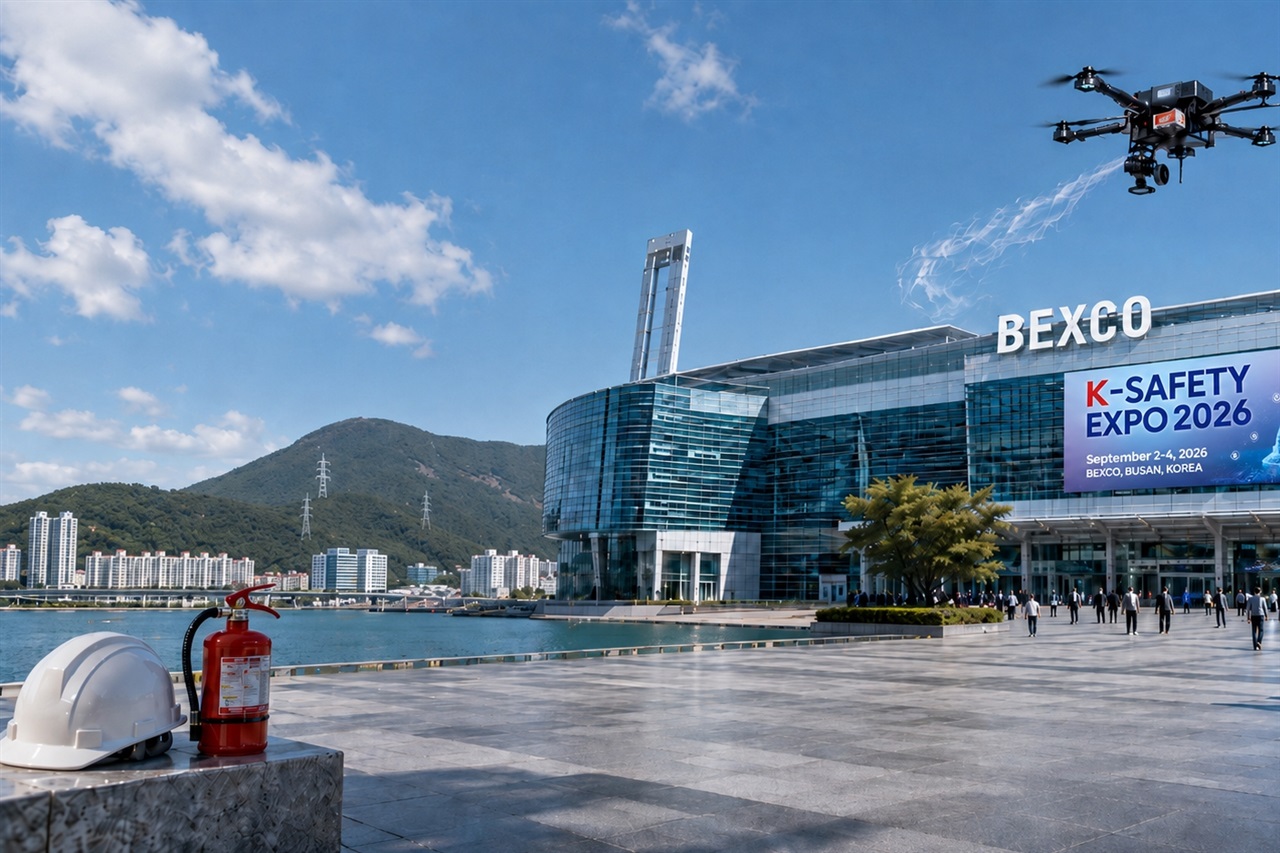
K-Safety Expo 2026 will be held at BEXCO in Busan from September 2–4, featuring AI, robots, sensors, and conne…
U.S. markets ended August higher, with the S&P 500 up 2.6% and the Nasdaq up 3.9%
Neurovia AI, an Abu Dhabi-based company, is pitching Saudi security agencies software that it says can compres…

AI company Runway has unveiled Solaris, the first model in a new category it calls "Interface World Models." I…

John Deere introduced JD, a conversational AI tool that lets farmers ask open-ended questions about their hist…