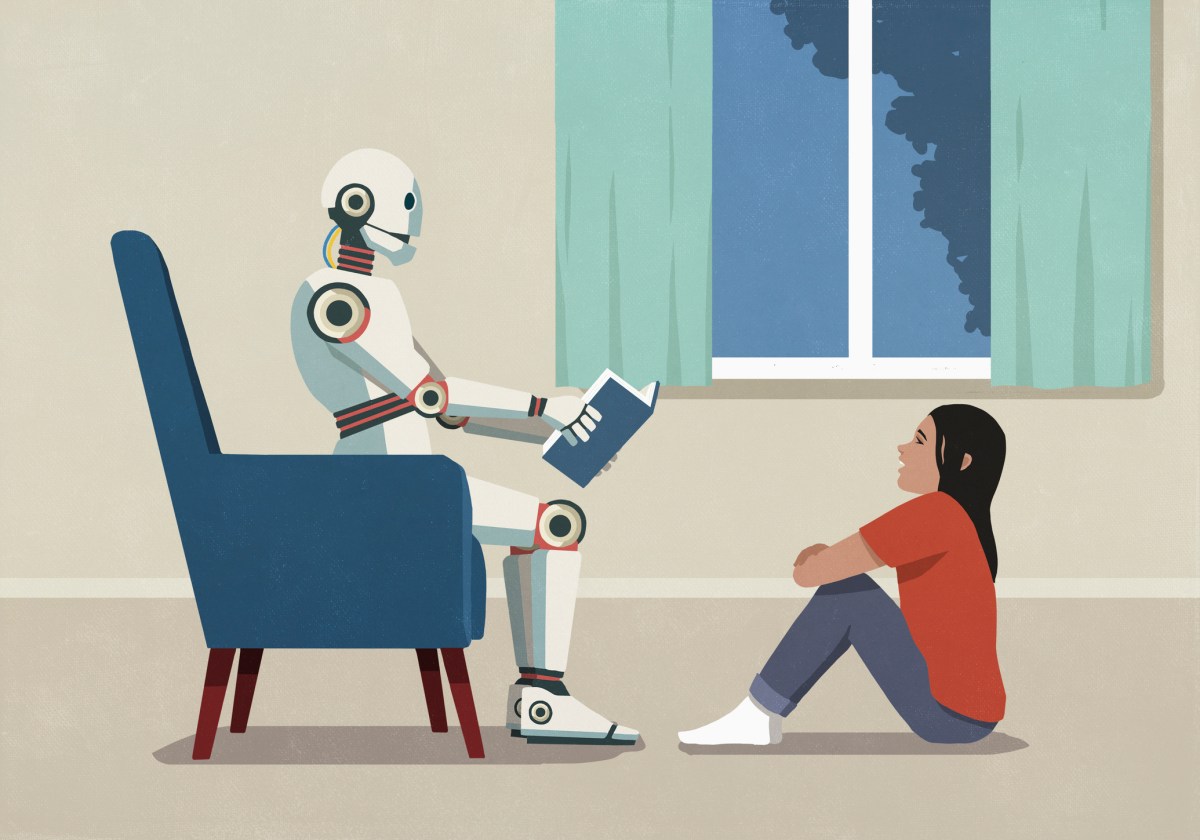
Meta is testing StoryKit, an AI app that generates personalized bedtime stories for children by allowing users to create characters and choose lessons the story should teach. The app is being piloted in select countries to gauge parent interest, though it raises questions about whether automating a traditionally human creative moment—storytelling—represents progress or a loss of connection.
Summaries like this, in your inbox every morning.
Sign up free →What happened
Meta is piloting StoryKit, an AI storytelling app that generates personalized children's stories with custom characters, settings, lessons, and music. Users select or create a character by photographing a toy or person, describe the story's world, and choose a lesson (such as kindness or courage); the app then generates the full story. The app is currently available only to users over 18 in select countries.
Why it matters
StoryKit automates a core parenting and bonding moment—bedtime storytelling—that has traditionally relied on human creativity and connection. While parents face exhausting schedules, the app outsources imagination to an AI, raising questions about whether convenience justifies replacing a human pastime that humans have excelled at for as long as civilization has existed.
What to watch
The pilot is limited to select countries and users over 18. StoryKit includes AI safety filters and has no social features, according to Meta's statement to TechCrunch.
Meta is testing a new app called StoryKit, first spotted by 9to5Mac in the App Store, which uses AI to generate personalized bedtime stories for children. The company confirmed to TechCrunch that it is piloting the app in select countries to gauge how parents respond to it.
To use StoryKit, a parent begins by selecting or creating a character. According to the App Store listing, users can "[snap] a photo of their favorite toy or person to bring them to life." Next, the user describes the world or setting of the story and chooses a lesson—such as kindness, courage, or empathy—that the app will weave into the narrative "without it feeling like a lecture." The app then generates the full story, including custom music. As Meta's pitch promises parents: "You don't need to write a single word."
Meta has built in safeguards for the pilot. A Meta spokesperson told TechCrunch that StoryKit uses AI safety filters, has no social features, and is only available to users over the age of 18. The company positioned the app as a "creative storytelling app used to craft personalized, imaginative storybooks for children."
The app arrives as Meta continues to ship AI-driven consumer products, some more controversial than others. The article notes that Meta has previously released ideas like Instagram deepfake generators and augmented-reality "pervert glasses," making StoryKit a comparatively gentler experiment. Yet the core question remains: whether automating bedtime storytelling—a human tradition spanning millennia—represents genuine convenience or a loss of connection between parent and child. The article argues that while parents lead exhausting lives, storytelling has always been a skill humans possessed without technology, and that parents could choose to reject such outsourcing in favor of whimsy and silliness drawn from their own minds or from existing children's literature.
Meta's StoryKit addresses a real pain point for busy parents: the demand for creative bedtime stories when energy and imagination are depleted at the end of the day. The app's design is straightforward—photograph a toy, describe a setting, choose a moral—and it handles the generation automatically. By Meta's account, the technology is relatively benign compared to some of the company's other AI experiments, and the age restriction to 18+ suggests the company is at least aware that children's content requires care.
However, the app also represents a choice point about which human activities we're willing to automate. The article notes that storytelling is not a new task humans invented—it is humanity's oldest pastime, drawing from millennia of oral tradition, mythology, and fables. Parents do not require original imagination to tell bedtime stories; they can draw from existing children's literature or adapt familiar tales. The app's framing—"You don't need to write a single word"—frames storytelling as a burden to eliminate rather than a moment of connection to protect. The pilot's limited scope (select countries, users over 18 only) suggests Meta is testing reception before a wider rollout.
AI-summarized, only the topics you pick — one digest a day via Email, Slack, or Discord.
Free · takes 30 seconds · unsubscribe anytime
No discussion yet for this article
Get curated AI news from 200+ sources delivered daily to your inbox. Free to use.
Get Started FreeFree · takes 30 seconds · unsubscribe anytime
1 minute a day. The AI essentials.
200+ sources · Email / LINE / Slack
