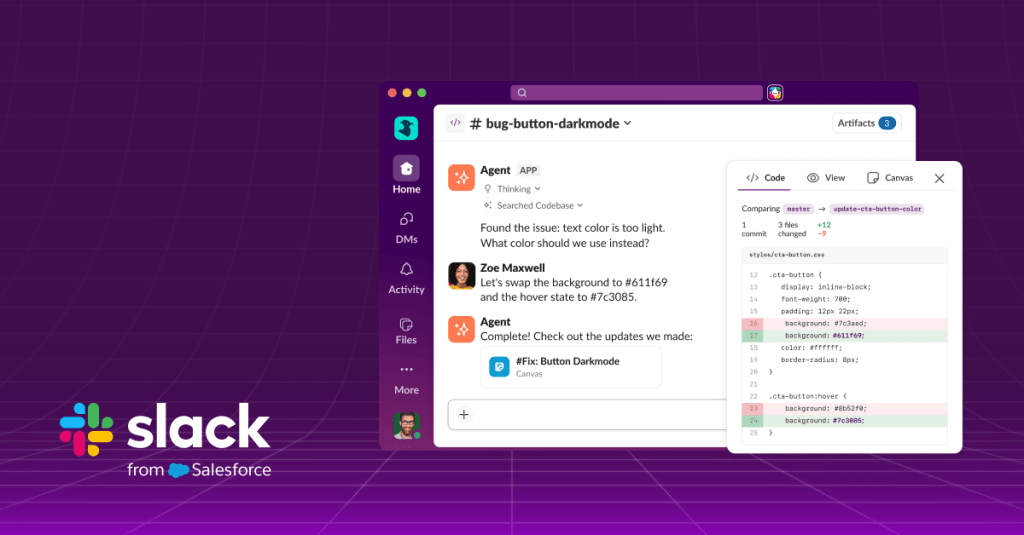
What happened
Slack introduced Slack Code, a new feature that lets teams collaborate with AI coding agents (Claude, Devin, GitHub Copilot, ChatGPT, Vercel agents) in dedicated code channels within Slack. Team members can see conversations, review code diffs, check live previews, give feedback, and approve work before it ships — all without leaving Slack.
Why it matters
Until now, AI coding work happened in isolated browser tabs or private conversations, making context invisible to the team and slowing handoffs. Slack Code moves that work into the open, so product managers, designers, and non-technical team members can shape and build alongside engineers and agents. This means bug fixes and features can ship faster without tickets, meetings, or terminal access — anyone in the channel can help.
What to watch
Slack Code is available now on any Slack plan and works seamlessly with founding partners' agents (Anthropic's Claude, Cognition's Devin, GitHub's Copilot, ChatGPT, and Vercel's agents). Access to each partner agent is required. Soon the APIs will open to the broader developer community, so any custom agent can join code channels.
Summaries like this, in your inbox every morning.
Slack Code addresses a friction point in how teams currently use AI for coding: individual developers or product managers use tools like ChatGPT or Claude in private tabs, then must manually translate that work back into tickets, pull requests, and team discussions. The result is lost context, duplicated effort, and slow handoffs. By bringing agent work directly into Slack's existing collaboration space, Slack positions itself as the central hub where coding conversations happen alongside code review and approval — collapsing what are today separate workflows (chat → external agent → code review tool → CI/CD) into one interface.
The founding partners (Anthropic, Cognition, GitHub, OpenAI, Vercel) signal that the major coding agent vendors see Slack as a strategic platform. The plan to open the APIs to the broader developer community means any agent—not just coding ones—could eventually use code channels, expanding the feature's scope from software development to marketing campaigns, legal reviews, and other team-driven work. This sets up Slack to compete with specialized dev tools and positions agents as inherently social, not just productivity aids for individuals.
Pick your industry and the AI tools you use, and get news related to your work every day.
Free · 30 seconds with Google · unsubscribe anytimeWhat is AIToday? →
Ask AI anything about this article. The AI reads this article, earlier AIToday articles, and Wikipedia, and cites its sources. Q&As are published on this page for other readers too.
ElevenLabs completed a $300 million employee tender at a $22 billion valuation, and co-founder Mati Staniszews…

On October 15, OpenAI announced the Rosalind Academic Plan, giving approved US university labs free access to…
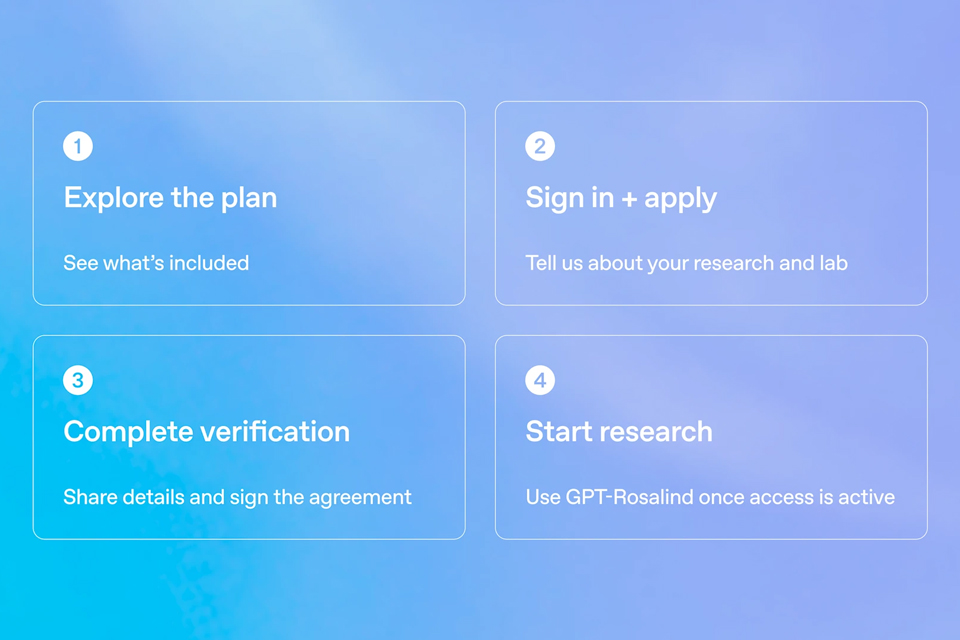
A Qiita article compared automated red-teaming methods for LLM apps — GCG, PAIR, and TAP — using mock implemen…

Liquid AI released d1-ultra on October 15, 2026, an upgraded open-weights decision model that averaged 76.7 ac…
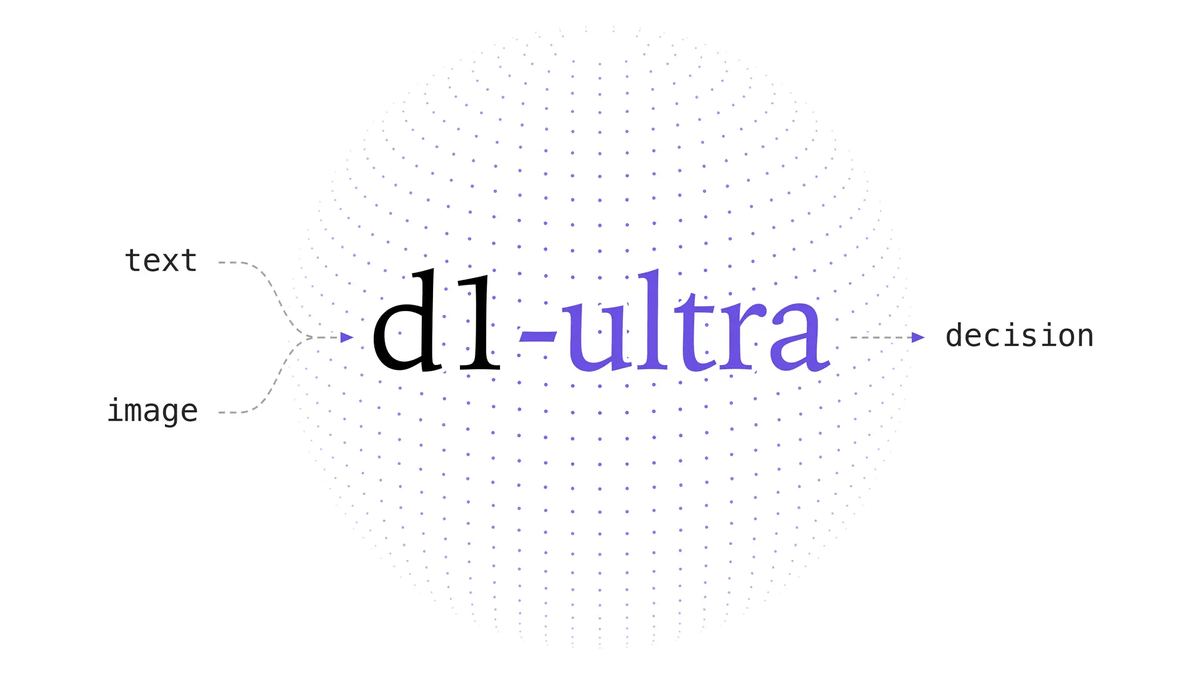
Circlia started a proof-of-concept for TASTE SIGNAL: visitors to Holland Village Cafe FUKUOKA taste cookies an…
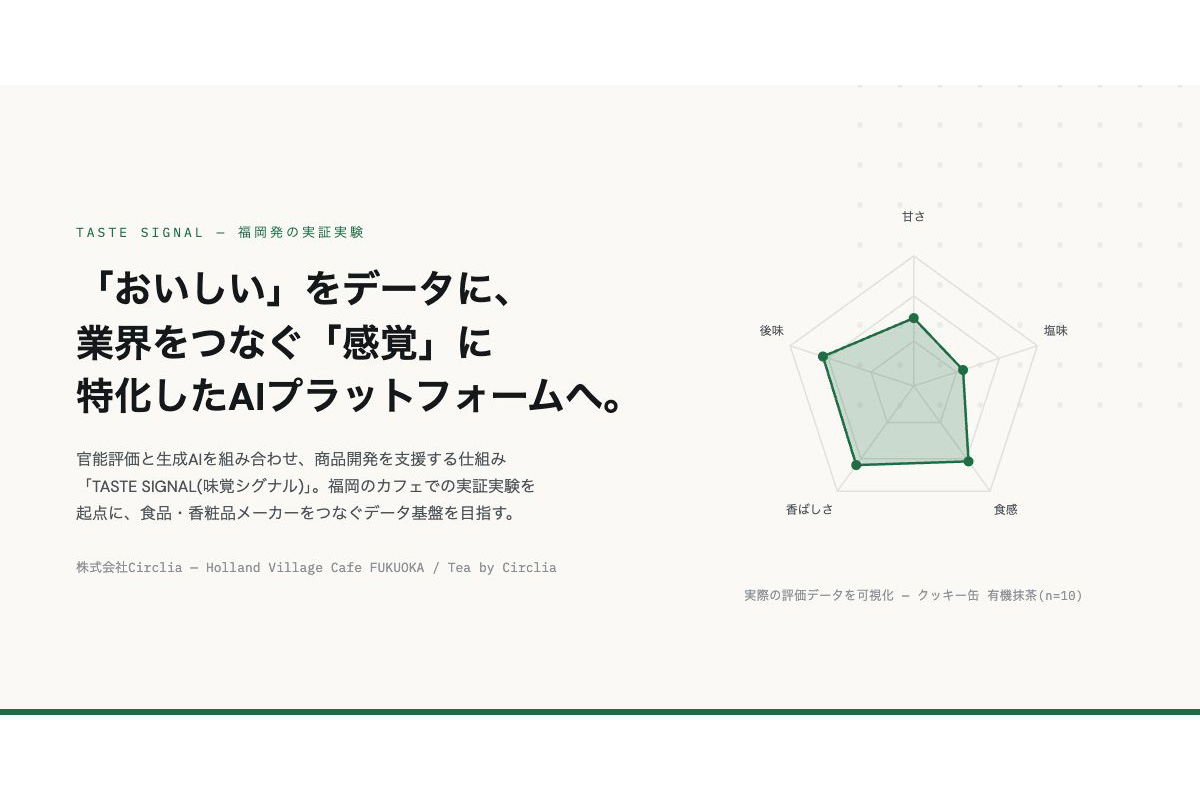
In a webinar hosted by French Mathematical Society president Isabelle Gallagher, Fields Medal winner Hugo Dumi…

