What happened
The industry is moving from "physical AI 1.0" (which relies on massive video datasets and simulations) to "physical AI 2.0," which adds a dedicated layer to recover the true physical state of the environment from noisy, incomplete sensor data. This new architecture separates four tasks: world models (learned predictions), physical state recovery (reconstructing what is really there), reasoning systems (deciding on actions), and action (executing movement).
Why it matters
Current systems assume that if a robot has enough cameras and computing power, it can predict the future accurately. But cameras can be blinded by glare, objects can hide in shadows, and sensors give conflicting data. A robot that misunderstands the present state cannot reason its way out of a bad situation—and in embodied systems, the model must work with sensing, simulation, safety systems, and live feedback, not just perform prediction like a chatbot does.
What to watch
The key insight is that adding more data is not the only answer. A dedicated recovery layer that uses physics-based constraints and specialized sensing (like radar or touch) can handle structurally degraded observations—such as a cyclist hidden behind a parked truck—that a larger end-to-end model alone cannot fix. The winner will be the system that most accurately bridges the gap between digital prediction and physical reality.
Summaries like this, in your inbox every morning.
Pick your industry and the AI tools you use, and get news related to your work every day.
Free · 30 seconds with Google · unsubscribe anytimeWhat is AIToday? →
Ask AI anything about this article. The AI reads this article, earlier AIToday articles, and Wikipedia, and cites its sources. Q&As are published on this page for other readers too.
In an internal test, Google DeepMind robotics researchers instructed Gemini 4 Argon to watch a video of a huma…
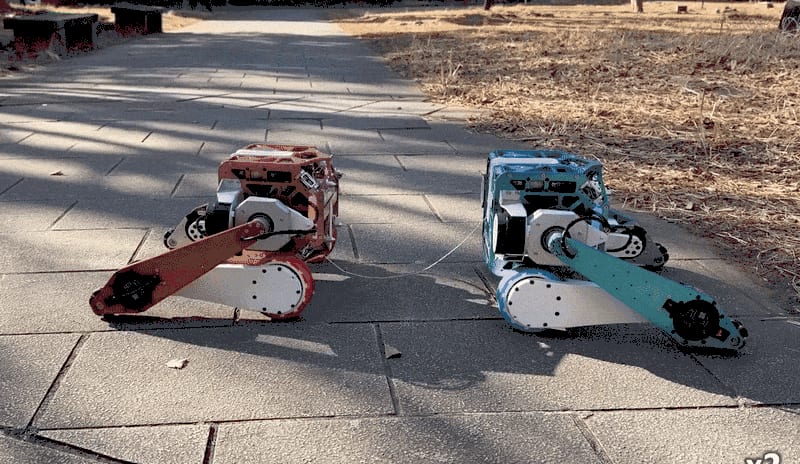
Amulya Vishwanath, who spent seven years leading product marketing for Nvidia's robotics platforms, says robot…

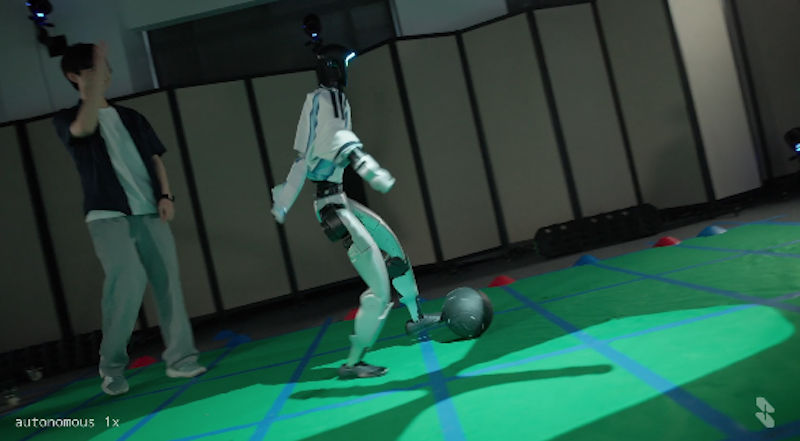
Skild AI used Nvidia Isaac Sim to give its S1 model one objective — score a goal — and let it compete against…
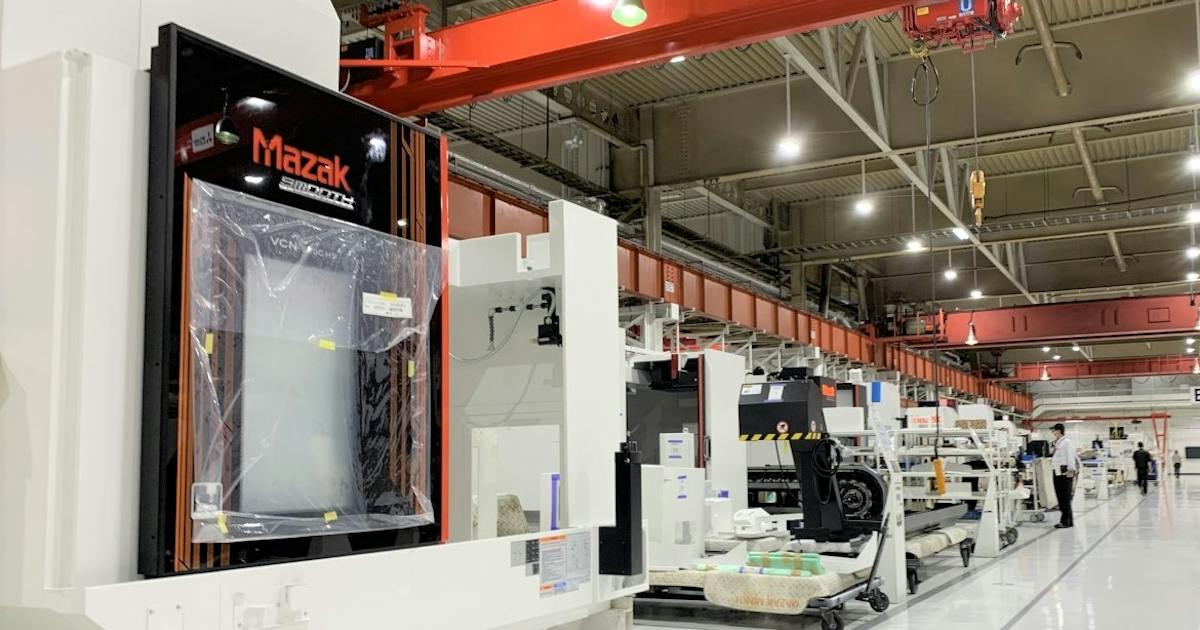
Yamazaki Mazak and ABEJA said on the 16th they will start joint development of physical AI, using ABEJA's ABEJ…
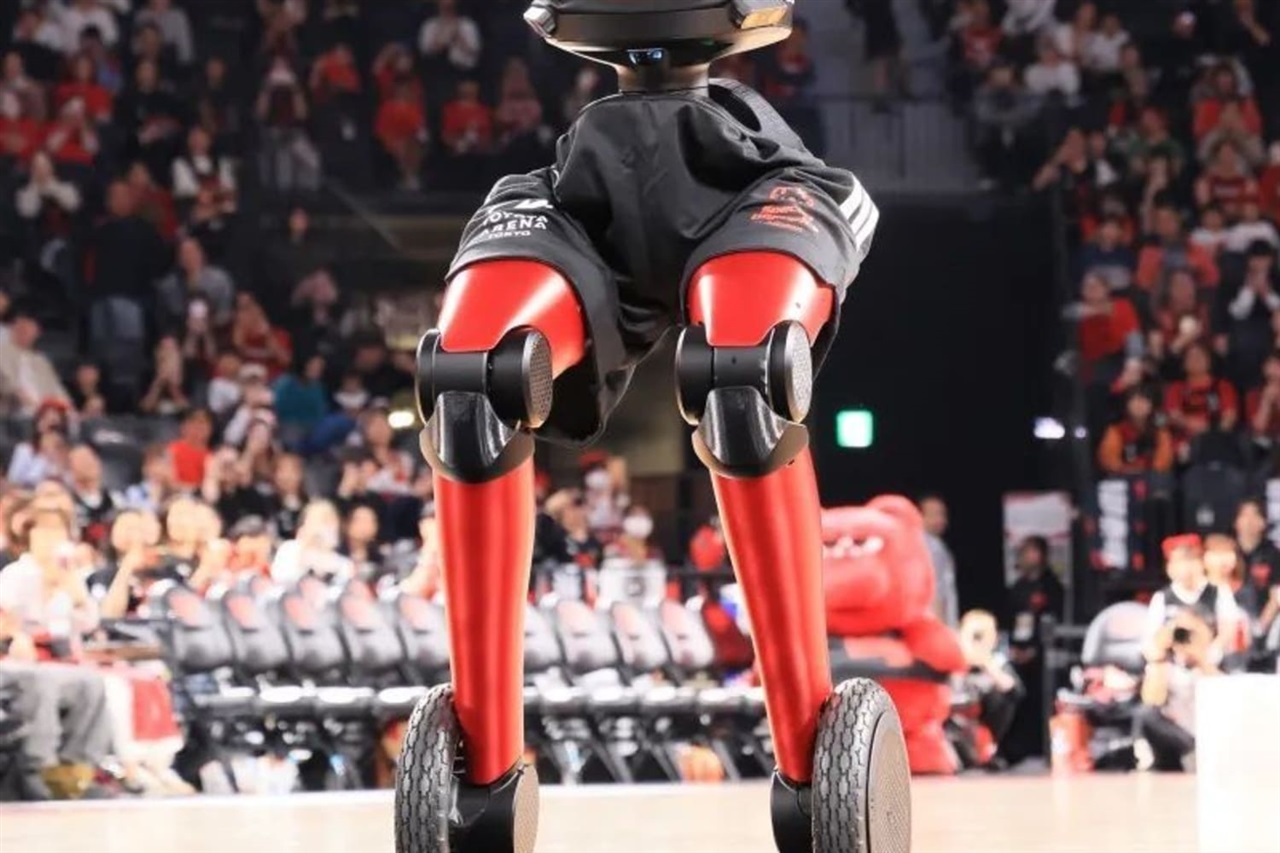
Toyota Motor's Japan Mobility Show Bizweek 2026 booth centers on its AI basketball robot CUE7, has no other ex…
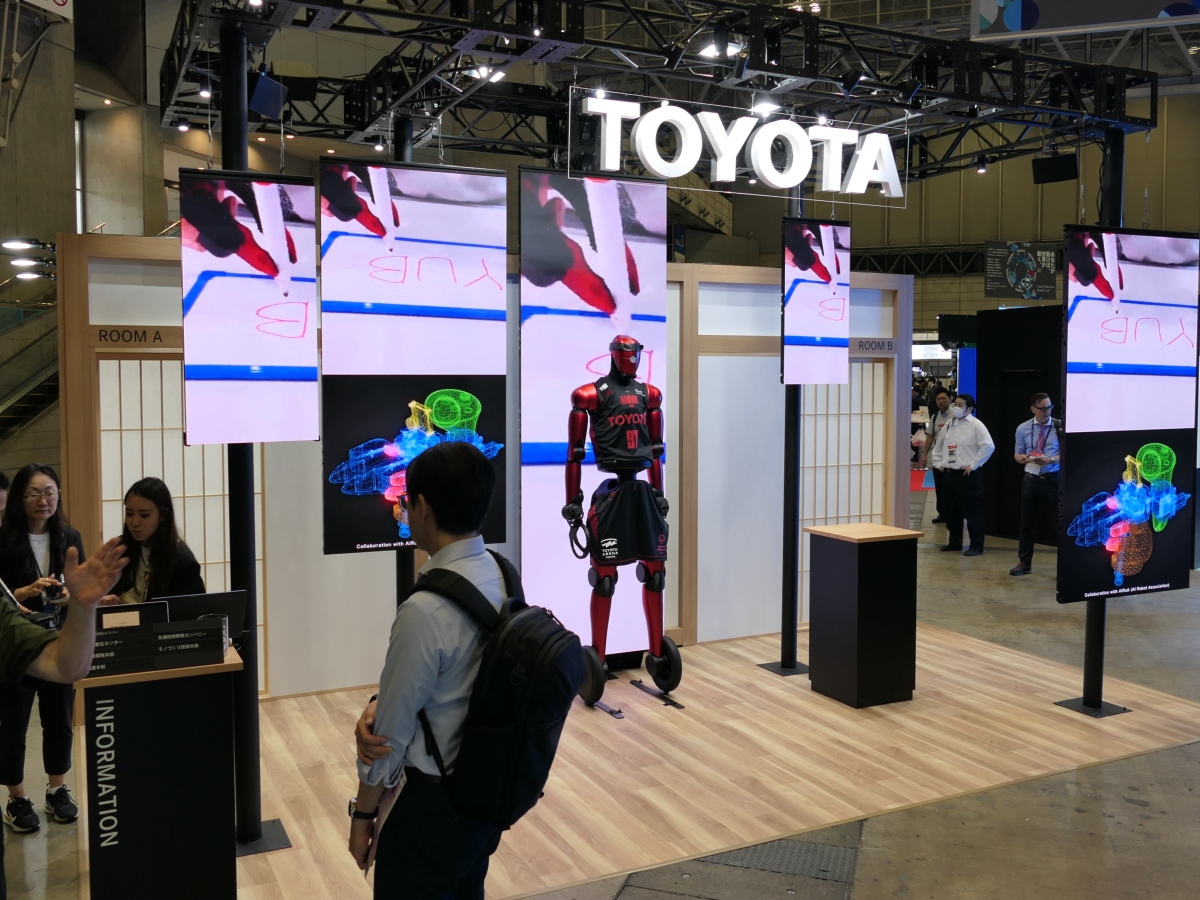
Japan Mobility Show Bizweek 2026 showcased Physical AI applications, including Toyota's basketball-playing rob…