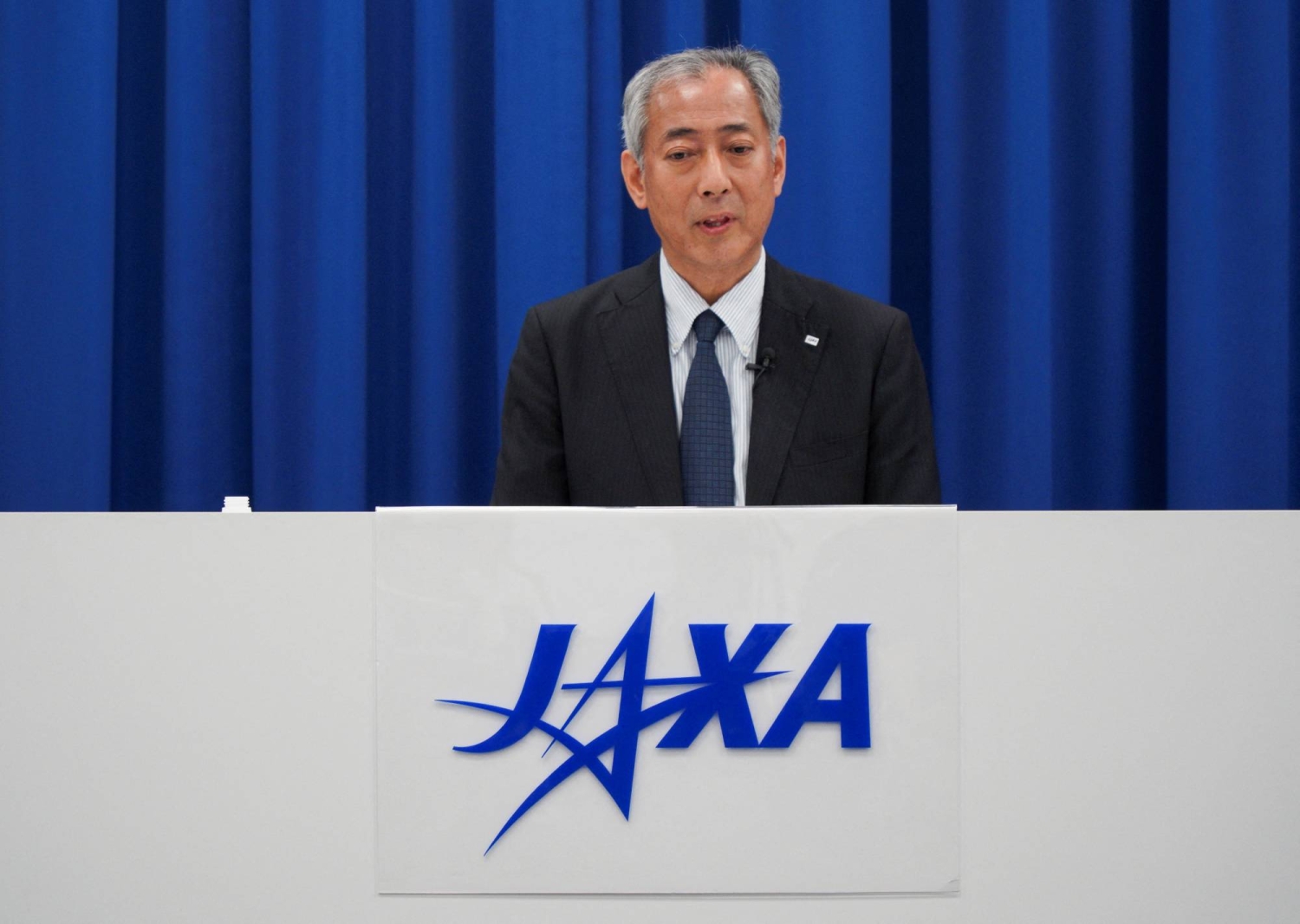
Japan's space agency JAXA will attempt to launch the H3 rocket on June 10, 2024—its first try since a December 2023 failure when the rocket's engines shut down during ascent. H3 is Japan's next-generation heavy-lift launch vehicle designed to compete with SpaceX's Falcon 9 and reduce Japan's dependence on foreign launch providers.
The H3 uses domestically-developed engines and is designed to carry 6.5 tons to orbit at a lower launch cost than JAXA's older H-IIA rocket. Success on this attempt is critical: repeated failures would raise questions about Japan's ability to maintain independent access to space, similar to how SpaceX's early Falcon 1 failures threatened the company's survival.
For Japan Inc., a working H3 program means domestic space launch independence—avoiding delays when geopolitical tensions restrict access to U.S. or European rockets, and enabling the country's growing satellite internet and Earth-observation industries to launch on predictable schedules. A second failure, however, could force Japanese companies and the government to rely even more heavily on international launch partners.
Ask the AI about this article →
For example, today's edition would include:
AI-summarized, only the topics you pick — one digest a day via Email, Slack, or Discord.
Free · takes 30 seconds · unsubscribe anytimeWhat is AIToday? →
Ask AI anything about this article. Q&As are published on this page for other readers too.

