Japan and the U.S. are advancing a $550 billion investment pact.
AI and semiconductor projects are expected to lead the next phase.
No additional tariffs will be imposed on Japan.
What happened
Japan and the U.S. are moving forward on a $550 billion investment initiative, with AI and semiconductor projects expected to play a central role in the next phase. Trade Minister Ryosei Akazawa confirmed continued cooperation after meetings with U.S. Commerce Secretary Howard Lutnick and U.S. Trade Representative Jamieson Greer.
Why it matters
The pact, established under last year's trade agreement, secured a 15% cap on U.S. tariffs for Japanese goods and reduced duties on automobiles. The first two rounds allocated $36 billion to U.S. oil, gas, and critical minerals, and $73 billion to nuclear and natural gas power projects across several states.
What to watch
The test is whether the third tranche of projects will prioritize AI and chips, as Akazawa said discussions will carry "very significant weight" — but he declined to provide details. Watch for any announcement on the $550 billion pact.
Ask the AI about this article →
Summaries like this, in your inbox every morning.
The $550 billion investment pact was a key part of last year's U.S.-Japan trade agreement, designed to deepen economic ties while giving Japan tariff certainty. The first two rounds focused on energy and minerals, but the latest comments signal a shift toward technology-related projects, particularly AI infrastructure and semiconductor supply chains. Minister Akazawa's remarks suggest both governments are prioritizing investments with mutual economic benefits, and the confirmation of no additional tariffs provides stability for Japanese manufacturers. The lack of detail on the third tranche leaves room for speculation, but the emphasis on AI and chips points to where future announcements are likely to concentrate. As the two countries continue to work closely, the next package could set a precedent for how strategic technologies are integrated into bilateral trade agreements.
For example, today's edition would include:
AI-summarized, only the topics you pick — one digest a day via Email, Slack, or Discord.
Free · 30 seconds with Google · unsubscribe anytimeWhat is AIToday? →
Ask AI anything about this article. Q&As are published on this page for other readers too.
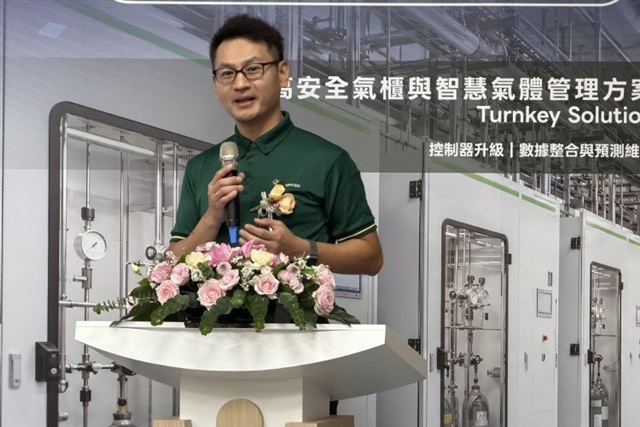
JM-Applied, a Taiwanese semiconductor gas equipment maker and supply chain member for Micron and TSMC, said on…
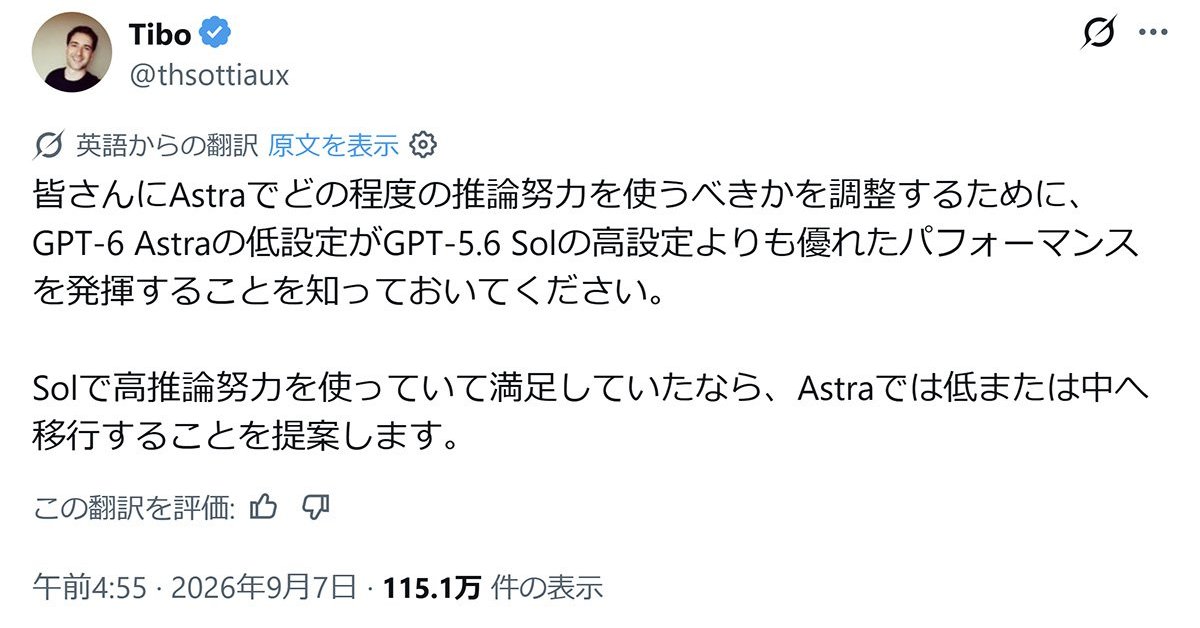
OpenAI's product lead Tibo Sotiou posted on X on September 6 that GPT-6 Astra's 'low' setting outperforms GPT-…
Nvidia disclosed roughly $99 billion of public and private equity investments as of July 26, plus about $25 bi…
In January, Ukraine's defense ministry said it would share millions of data points from tens of thousands of d…

OpenAI Group PBC acknowledged it did not publicly disclose an episode where its AI agents wrote to outside web…

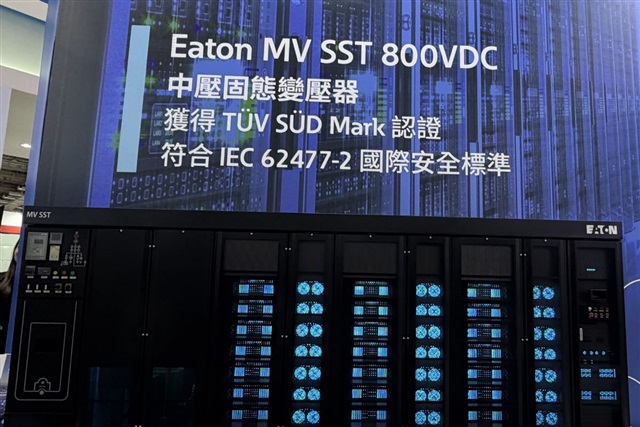
Eaton is expanding beyond traditional power management into modular power deployment, next-generation DC conve…