What happened
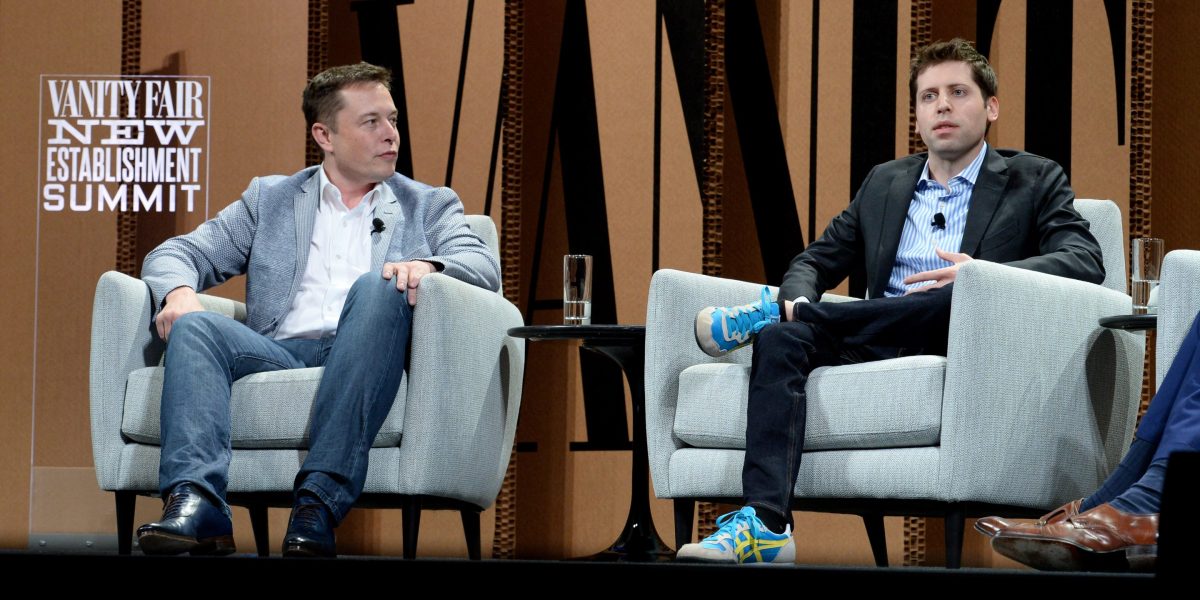
Elon Musk accused Sam Altman of being a scammer over the weekend, reviving insults after Apple sued OpenAI for allegedly stealing trade secrets to build hardware. Altman shot back, claiming Musk is selling investors on "short-term space datacenters," while Musk countered that SpaceX will fly orbital data centers next year and repeated claims that Altman stole OpenAI from its nonprofit roots.
Why it matters
The two billionaires are racing to lead the AI revolution—Musk through SpaceX's newly acquired xAI (rebranded SpaceXAI) and Altman through OpenAI. Both companies recently went public or filed to go public, meaning their competing narratives about AI's future directly shape how investors value their visions. The feud, rooted in a 2018 dispute over OpenAI's direction, has now spilled into product launches, with OpenAI releasing GPT-5.6 Sol and SpaceXAI releasing Grok 4.5 within days of each other.
What to watch
A jury dismissed Musk's $150 billion(約24兆円) lawsuit against OpenAI in May for failing to meet the statute of limitations, but Musk has said he will appeal. SpaceX went public in a record-setting IPO in June, the same month OpenAI confidentially filed for its own IPO.
Summaries like this, in your inbox every morning.
The feud between Musk and Altman traces back to OpenAI's founding in 2015 as a nonprofit AI research lab. At the time, Musk and Altman partnered with other cofounders, with Musk pledging roughly $1 billion(約1600億円) in funding over several years. However, when Musk believed OpenAI was falling behind in the AI race, he attempted to take control in 2018—an offer that Altman rejected. Musk subsequently left the board and stopped funding, creating a rift that has defined their relationship for over six years.
After ChatGPT's 2022 release transformed OpenAI into a market leader, the feud escalated to litigation. Musk's 2024 lawsuit claimed Altman had transformed OpenAI into an opaque web of for-profit entities, betraying the original mission. OpenAI countered that Musk only turned hostile after his takeover bid failed. Though a jury dismissed Musk's case in May on statute-of-limitations grounds, the underlying tension persists.
Today, both men are using public platforms to promote their competing AI visions to investors. Musk's SpaceX went public in June with a record-setting IPO partly on the strength of its rebranded SpaceXAI division, which acquired xAI in 2023. OpenAI filed confidentially for its own IPO the same month. The recent tit-for-tat product launches—GPT-5.6 Sol and Grok 4.5 released within days of each other—and public accusations appear designed to sway investor confidence. Musk's appeal of the dismissed lawsuit remains pending, suggesting the legal chapter of the feud is far from closed.
Pick your industry and the AI tools you use, and get news related to your work every day.
Free · 30 seconds with Google · unsubscribe anytimeWhat is AIToday? →
Ask AI anything about this article. The AI reads this article, earlier AIToday articles, and Wikipedia, and cites its sources. Q&As are published on this page for other readers too.
Chunghwa Telecom president Rong-shy Lin said the shift from conversational AI to autonomous AI agents is resha…
CoreWeave fell 5% in premarket trading Friday and was on track to finish the week down 15%, after rebounding f…
Apple and Meta said they would jointly release a new open-weight AI model designed to run on high-end Macs, ai…
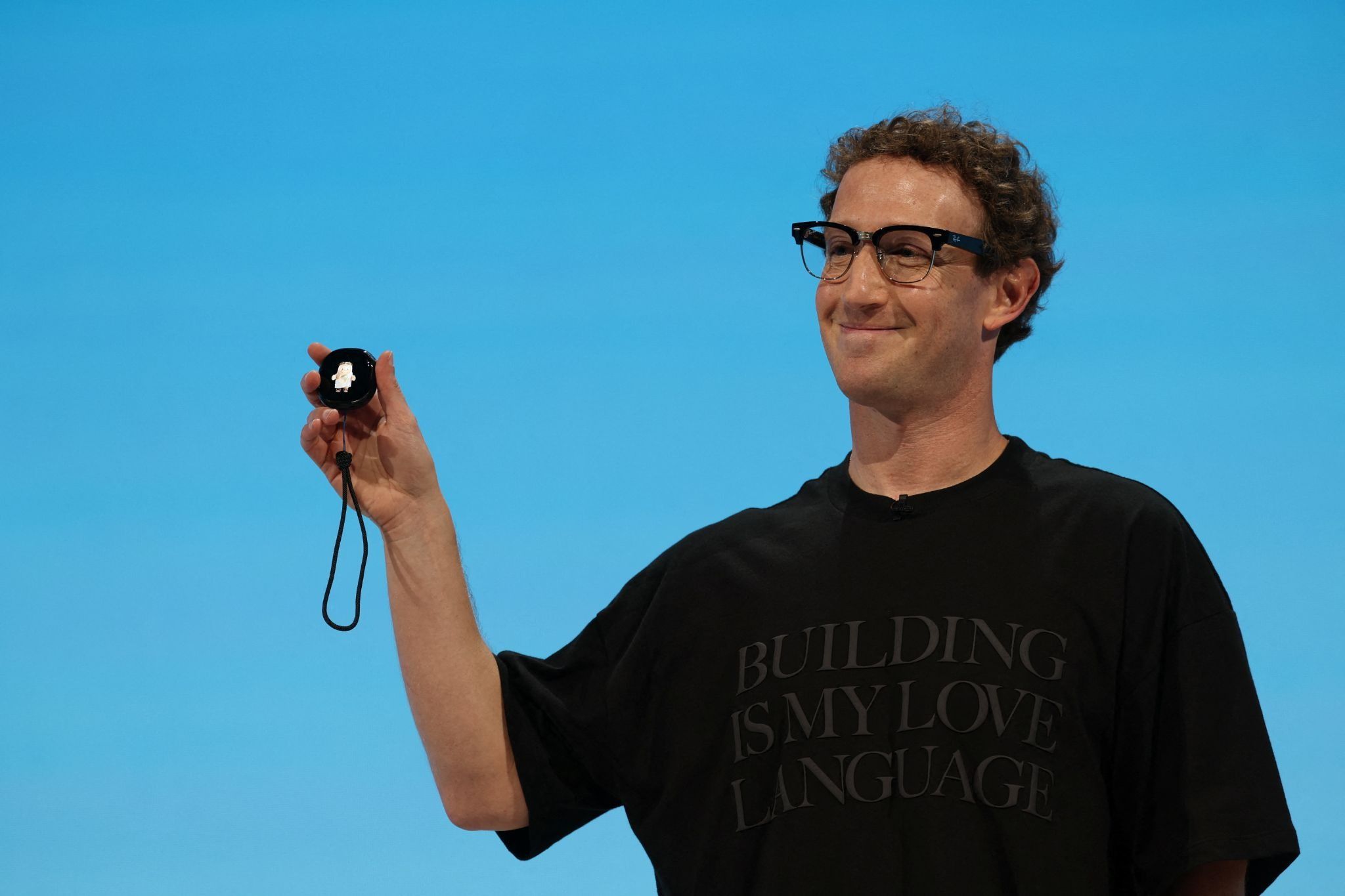
Investors put $38.5 billion into Asian startups in Q3, per Crunchbase data

A longtime Anthropic investor told Fortune he expects shares priced around $1.8 trillion, below the company's…
In Q2, billionaires or their funds sold six 'Magnificent Seven' AI stocks