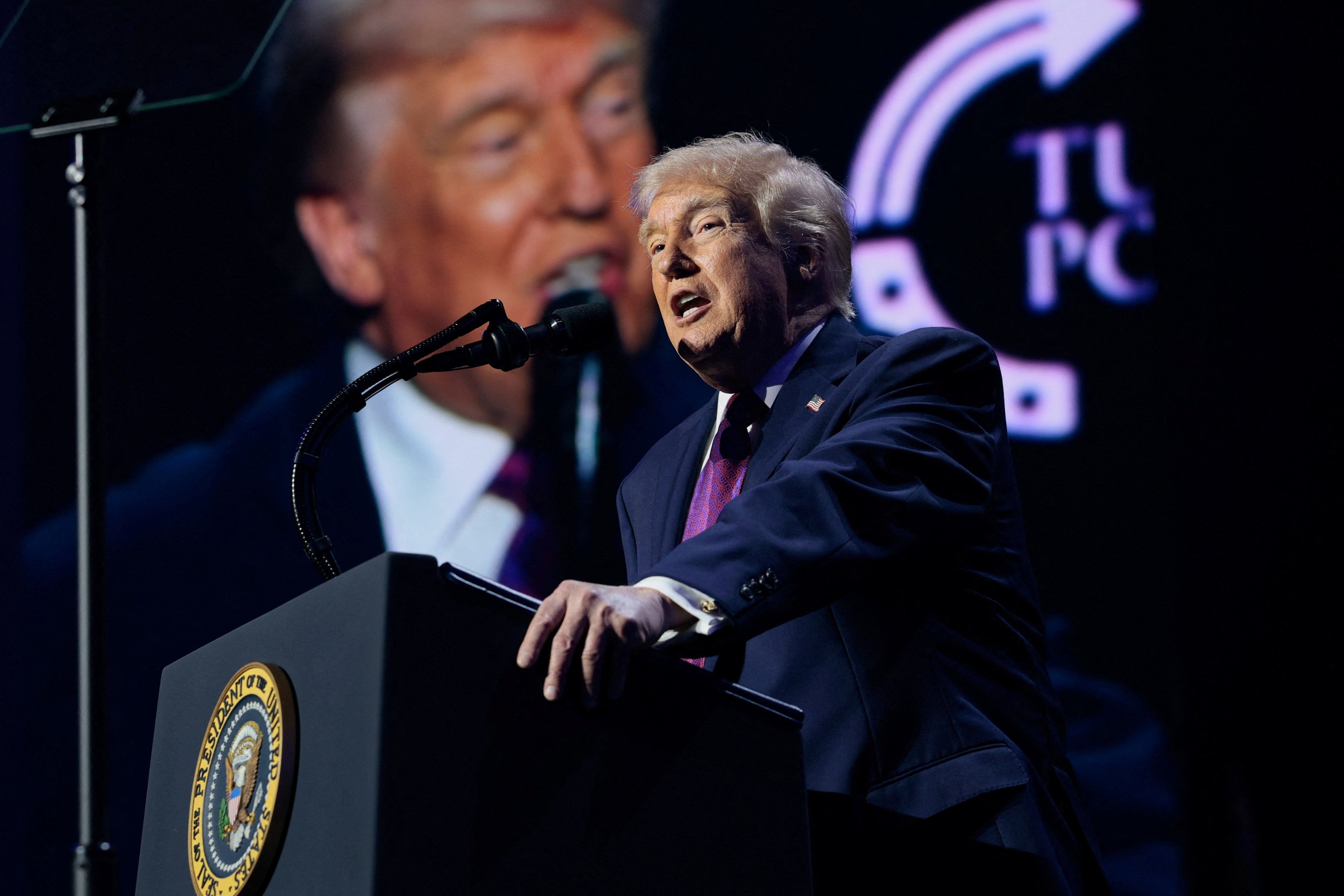
A former U.S. assistant secretary of state published commentary arguing that prioritizing American interests in specific geopolitical regions—rather than intervening globally—is producing positive outcomes for U.S. foreign policy.
Summaries like this, in your inbox every morning.
Pick your industry and the AI tools you use, and get news related to your work every day.
Free · 30 seconds with Google · unsubscribe anytimeWhat is AIToday? →
Ask AI anything about this article. The AI reads this article, earlier AIToday articles, and Wikipedia, and cites its sources. Q&As are published on this page for other readers too.

