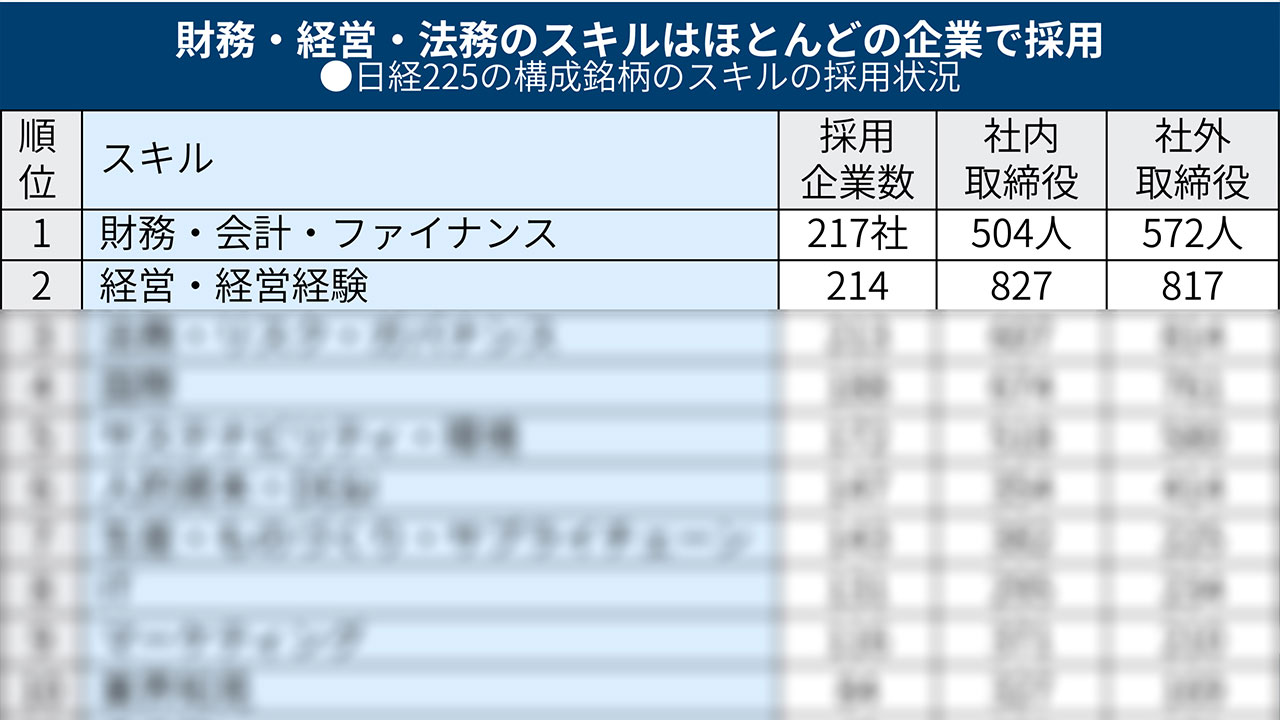
A Nikkei Business analysis of 225 major Japanese companies found that only 8 disclosed directors with artificial intelligence skills—despite AI being identified as a key challenge across the business landscape.
The study also identified 29 directors whose skill matrices showed check marks for every listed skill category.
While the Tokyo Stock Exchange recommends that companies disclose board-level expertise through skill matrices, there is no formal standard governing which skills must be included or how they are assessed, raising concerns about the consistency and usefulness of these disclosures for investors.
What happened
Nikkei Business analyzed skill matrices for 225 companies in the Nikkei 225 Index listed on the Tokyo Stock Exchange Prime Market as of July 2026. The analysis found that only 8 companies listed directors with AI skills, and 29 directors had check marks across all disclosed skill categories.
Why it matters
Skill matrices—formal disclosures of directors' knowledge and experience—have become a key metric for shareholders and investors to evaluate companies. The scarcity of AI expertise among board members suggests many large Japanese firms may lack strategic direction on a technology their leadership identifies as a critical issue, potentially exposing them to governance gaps.
What to watch
While the Tokyo Stock Exchange recommends skill disclosure, there is no formal standard for what skills must be listed or how they should be evaluated. The analysis reveals that companies are disclosing inconsistently, raising questions about the reliability of these matrices as tools for investor assessment.
Ask the AI about this article →
The analysis reflects a widening gap between the strategic importance Japanese companies assign to artificial intelligence and the actual representation of AI expertise on their boards. The Tokyo Stock Exchange and other regulators have encouraged companies to disclose director skill matrices as a governance transparency mechanism, yet the lack of a binding standard has allowed firms to define and populate these matrices inconsistently. The finding that only 8 of 225 major firms listed an AI-skilled director is striking given that the article itself notes AI has become a critical issue for companies across sectors. Equally telling is the discovery of 29 "full-check" directors—those marked proficient in every disclosed skill category—which suggests either significant expertise concentration or potential gaps in how skill disclosure rigor is enforced. With no formal criteria, it remains unclear whether these matrices are reliably signaling board preparedness or whether they are becoming mere compliance documents with limited information value.
For example, today's edition would include:
AI-summarized, only the topics you pick — one digest a day via Email, Slack, or Discord.
Free · takes 30 seconds · unsubscribe anytimeWhat is AIToday? →
Ask AI anything about this article. Q&As are published on this page for other readers too.
Israeli startup DataAgent Ltd
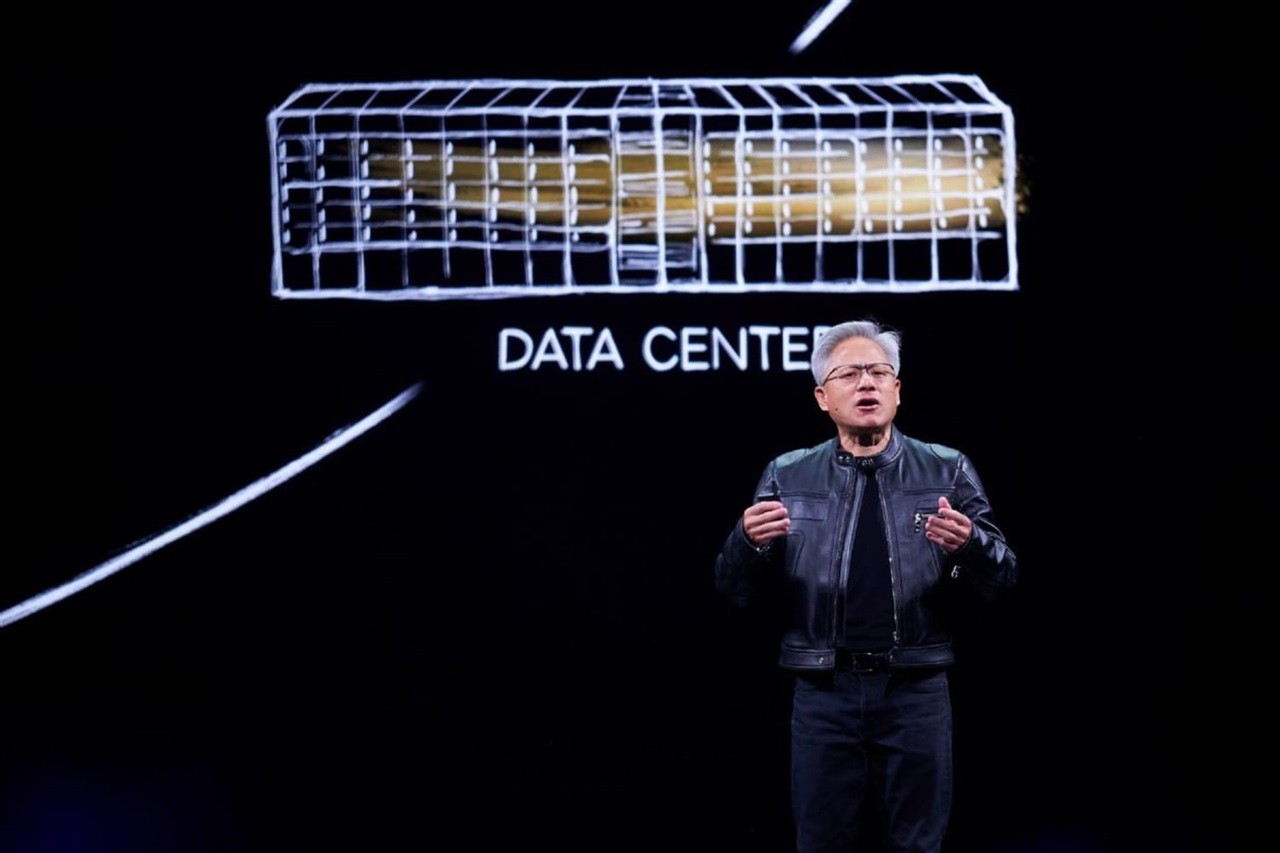
Taoyuan is positioning itself as a northern hub for AI data centers (AIDC), citing the Tatan area and an LNG c…
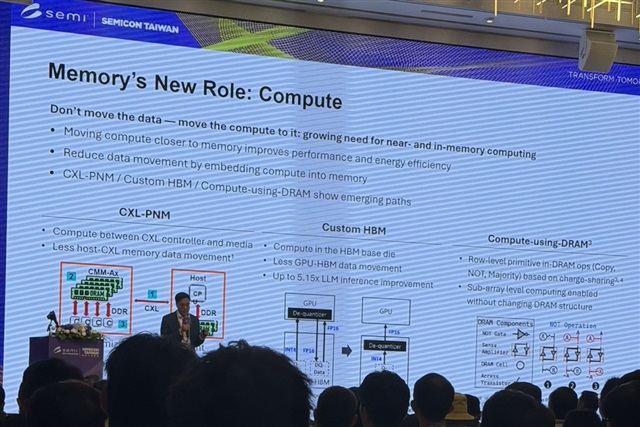
SK Hynix presented a custom HBM concept at SEMICON Taiwan 2026, where compute functions are placed in the base…
The U.S. Department of Defense announced on August 31 that it has deployed ChatGPT Mil, a customized version o…

Nvidia reported earnings that were both remarkable and boring, reflecting its focus on avoiding a consolidated…

Anthropic has agreed to a $35bn cloud-computing contract with Lambda, a Nvidia-backed cloud provider