What happened
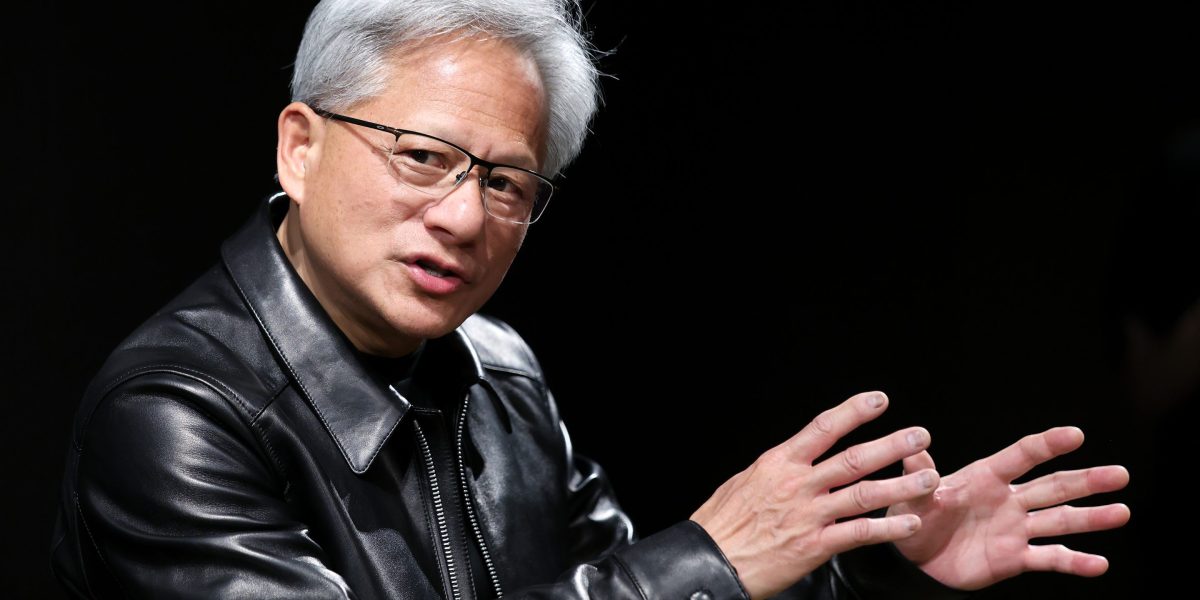
Brookfield Asset Management CEO Bruce Flatt told CNBC this week that the constraint on AI infrastructure is not investor funding but construction capacity—"We cannot build enough power. We cannot build enough compute." Brookfield and NVIDIA are already collaborating in Korea, with NVIDIA putting up $1 billion and Brookfield $9 billion for a shared computing system.
Why it matters
Flatt's claim raises a credibility question: is demand for AI infrastructure truly insatiable, or is an infrastructure investor naturally talking up the market it depends on? Brookfield's global head of AI infrastructure, Sikander Rashid, acknowledged on the company's earnings call that "it is inevitable for some capital to be poorly allocated" during a buildout—and pointed to the early-2000s fiber-optic boom that left investors holding unused "telecom hotels" once demand fell short.
What to watch
Brookfield raised an in-house record $77 billion last quarter, including its first AI-focused infrastructure fund, and has struck AI partnerships with OpenAI, Anthropic, and Bloom Energy. The company is also involved in a US Energy Department-backed data center project in Kentucky expected to draw more than $100 billion in private investment. NVIDIA's architecture is "fairly universally adopted," which reduces single-customer risk for financiers of the hardware.
Ask the AI about this article →
Brookfield Asset Management's assertion that capital is plentiful but construction capacity is the limiting factor challenges a widely held assumption in AI financing debates. By framing the bottleneck as physical buildout speed rather than funding appetite, Flatt implies that the $500 billion AI financing plan mentioned can be deployed—the constraint is execution, not money. However, this claim carries an inherent conflict of interest: Brookfield itself is an infrastructure investor that profits from the premise that AI infrastructure demand is insatiable and construction-constrained.
The company's track record lends some credibility. Brookfield has built "backbone infrastructure" across solar, wind, gas power, and data centers over its history, and Rashid noted that its industrial businesses are "just scratching the surface" of AI-driven productivity gains. Yet Rashid's own warning on the earnings call—that "it is inevitable for some capital to be poorly allocated" during this buildout—introduces real historical precedent for concern. The fiber-optic bubble of the early 2000s, where investors ended up holding unused infrastructure once demand fell short, serves as a concrete reminder that infrastructure buildouts can overshoot real demand. Flatt himself acknowledged that "there hasn't been a proven format yet for investors to put money into deals like this," suggesting the investment structure for AI infrastructure is still experimental.
For example, today's edition would include:
AI-summarized, only the topics you pick — one digest a day via Email, Slack, or Discord.
Free · takes 30 seconds · unsubscribe anytimeWhat is AIToday? →
Ask AI anything about this article. Q&As are published on this page for other readers too.
Visko raised $10 million in pre-seed funding from Llama Ventures and opened public access to its first foundat…

U.S. markets ended August higher, with the S&P 500 up 2.6% and the Nasdaq up 3.9%

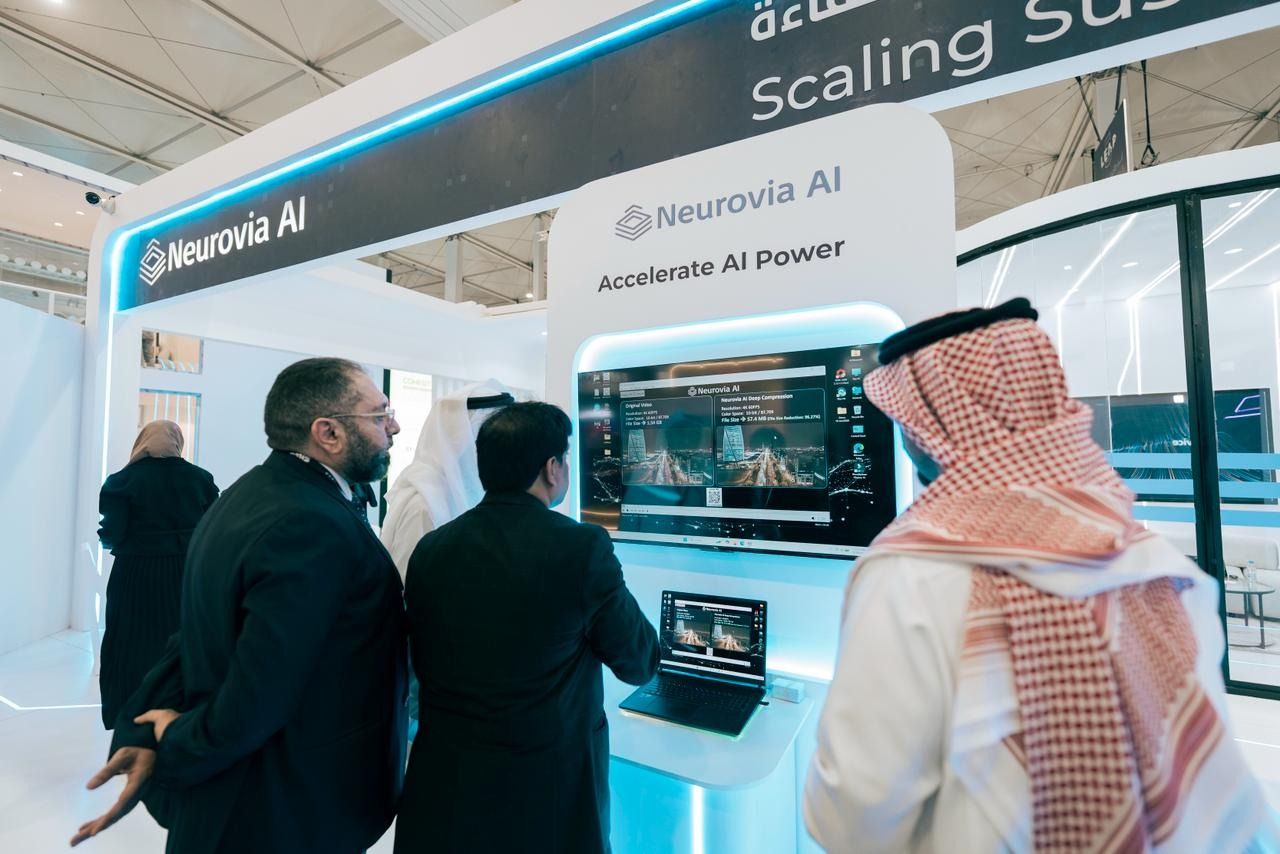
Neurovia AI, an Abu Dhabi-based company, is pitching Saudi security agencies software that it says can compres…
AI company Runway has unveiled Solaris, the first model in a new category it calls "Interface World Models." I…

John Deere introduced JD, a conversational AI tool that lets farmers ask open-ended questions about their hist…

Nvidia CEO Jensen Huang said on Fox Business that AI is creating 'hundreds of thousands' of jobs, including in…