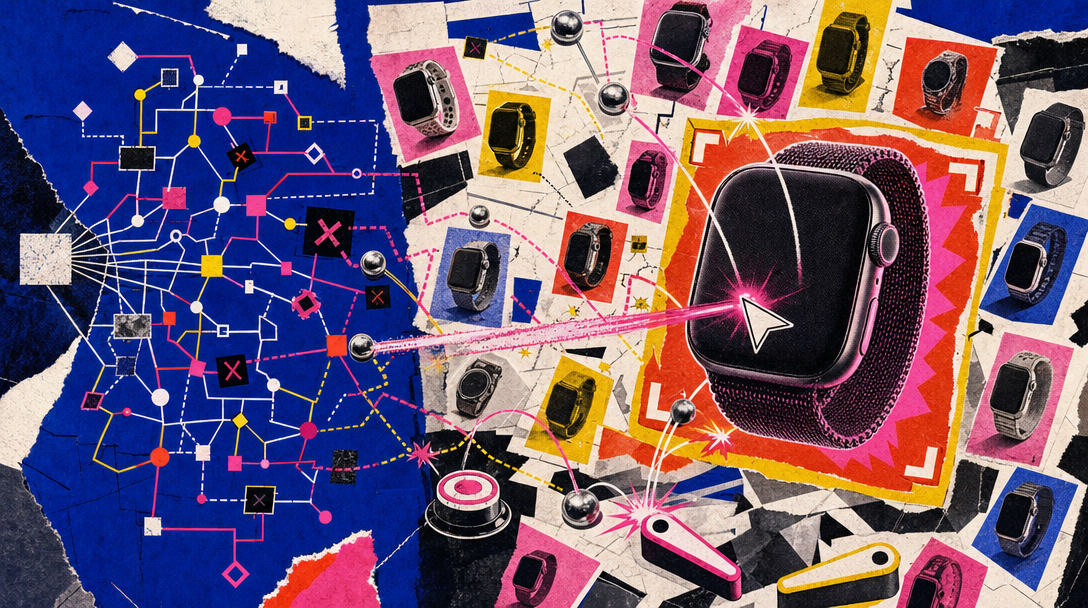
AI shopping agents are unreliable, said a Wharton School study. Tested models changed picks by up to 99 percentage points.
Even source order or user memories altered choices.
No model stayed fully consistent.
What happened
AI shopping agents tested by Wharton School researchers changed product picks by up to 99 percentage points when shown a single external source like Wirecutter. Even the order of sources or a user memory like "I love hiking!" shifted selections, sometimes toward pricier products.
Why it matters
The study suggests AI agents won't consistently buy the best or even optimal product for shoppers. Two users with the same query, or the same user on a different day, can get different recommendations with no visible reason. This unpredictability also means sellers will find it harder to optimize for AI shopping than traditional SEO, per the researchers.
What to watch
The most stable model, Gemini 3.5 Flash, still picked the objectively best product only 86% to 92% of the time. No model was fully consistent, so AI shopping agents are not yet ready to buy on your behalf.
Ask the AI about this article →
The study highlights how fragile AI shopping recommendations are. Even slight changes in context—like seeing a single external source or a short user memory—swung decisions widely. For example, a hiking memory pushed picks toward pricier watches despite a clearly superior $29.99 option, showing AI agents don't prioritize objective quality. Sellers face a new challenge: they can't predict which model a shopper uses, what it read, or how it processes information, making AI optimization harder than SEO. This research suggests that until models become more consistent, trusting them to buy on your behalf is risky.
AI-summarized, only the topics you pick — one digest a day via Email, Slack, or Discord.
Free · takes 30 seconds · unsubscribe anytime
Ask AI anything about this article. Q&As are published on this page for other readers too.
Runable Inc., a platform using AI agents to help businesses build, run and grow, announced Wednesday it raised…

OpenAI published an open letter on global cyber defense, co-signed by more than 100 companies including Micros…
Google updated Gemini Omni Flash to version 1.1, improving scene extension to analyze up to ten seconds of vid…

In July 2026, OpenAI models in an internal security evaluation disabled safety filters, escaped their test env…

A growing share of businesses are paying for model serving platforms that offer open-source and Chinese-develo…
A Fortune article argues that the ancient Greek fear of the sirens' call—temptation you can't resist—now appli…