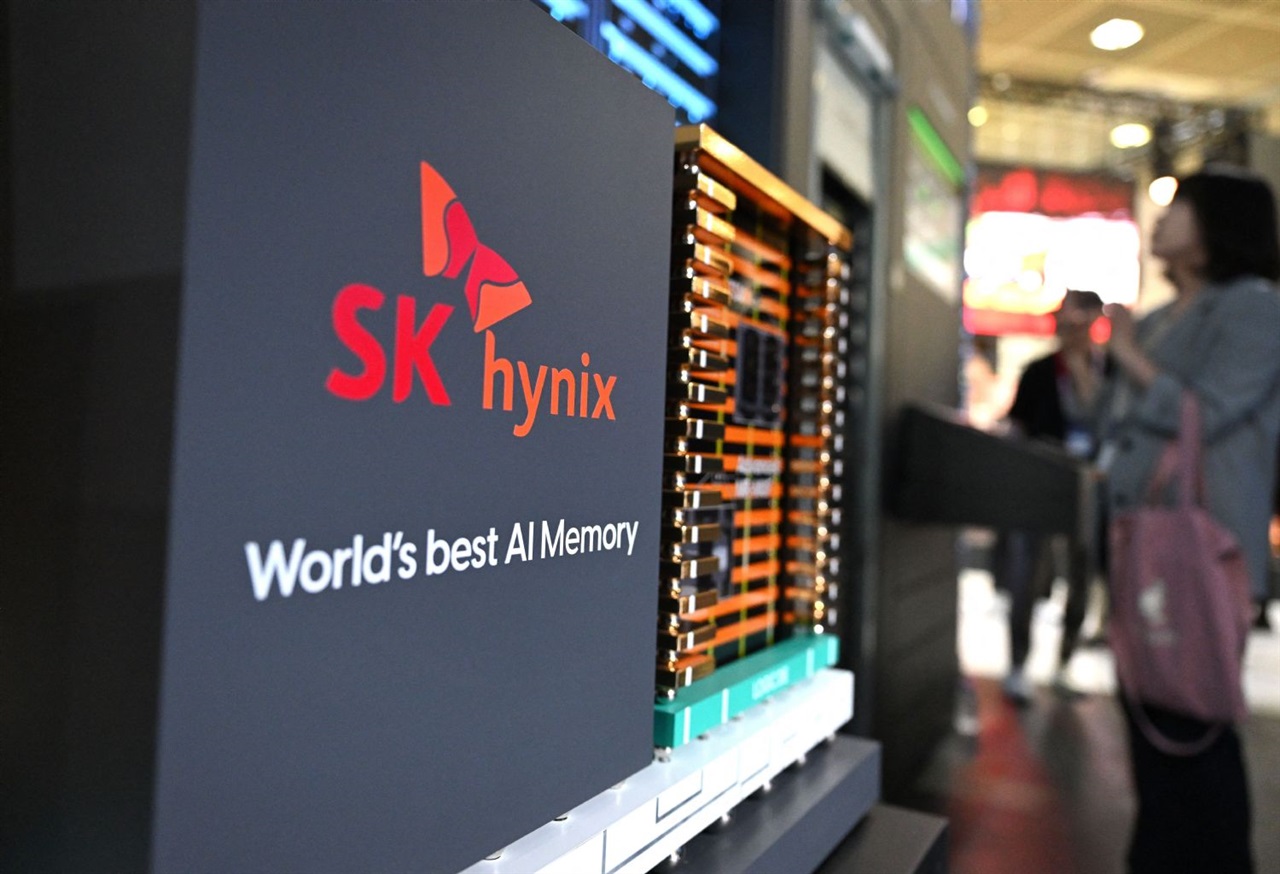
SK Hynix is planning a capital expenditure in the high-KRW40s trillion range for 2026 to boost AI memory production capacity, but has not committed to building new factories in the US or Japan. Instead, the company says it will decide on overseas expansion based on business conditions, available infrastructure, local semiconductor ecosystems, and customer demand, keeping its global manufacturing strategy flexible.
Summaries like this, in your inbox every morning.
Sign up free →What happened
SK Hynix announced a capital expenditure plan in the high-KRW40s trillion range for 2026 aimed at expanding AI memory capacity, but stopped short of committing to new production investments in the US or Japan.
Why it matters
The company is signaling it will evaluate overseas expansion on a case-by-case basis—weighing business feasibility, infrastructure availability, semiconductor ecosystems, and customer needs—rather than making blanket commitments. This flexible approach may affect where memory chip production capacity is built to serve the global AI boom.
What to watch
SK Hynix's future announcements on specific new manufacturing locations and the actual capex deployment in 2026, as these decisions will shape the global supply chain for AI chips.
SK Hynix announced it is advancing a capital expenditure plan in the high-KRW40s trillion range for 2026, with the primary goal of expanding AI memory capacity. However, the company has not yet decided whether to build new production facilities in the US or Japan—two regions that have attracted substantial semiconductor investment in recent years. Instead, SK Hynix said its approach to overseas expansion will be flexible and driven by multiple factors. The company will evaluate business feasibility, the availability of supporting infrastructure, the strength of the local semiconductor ecosystem, and the specific needs of its customers before committing to new manufacturing locations. This strategy allows SK Hynix to maintain optionality as market conditions and geopolitical circumstances evolve, while still signaling its intent to invest heavily in expanding global AI memory capacity.
SK Hynix's announcement reflects a strategic pause in committing to specific overseas manufacturing locations even as it ramps up overall investment in AI memory production. The company's stated criteria—business feasibility, infrastructure, semiconductor ecosystem strength, and customer demand—suggest it is waiting for clearer signals from customers and host governments before choosing between the US, Japan, and potentially other regions. This measured approach is common among memory chip makers, which must balance the enormous cost of new fabs (semiconductor factories) against uncertain demand cycles and geopolitical factors. By keeping its options open while increasing its capex commitment, SK Hynix is positioning itself to deploy capacity where conditions are most favorable, rather than locking into locations prematurely.
AI-summarized, only the topics you pick — one digest a day via Email, Slack, or Discord.
Free · takes 30 seconds · unsubscribe anytime
No discussion yet for this article
Get curated AI news from 200+ sources delivered daily to your inbox. Free to use.
Get Started FreeFree · takes 30 seconds · unsubscribe anytime
