What happened
The World Health Organization's regional office in Africa launched an AI-driven early warning system for health threats, which includes a platform that compiles risk profiles of areas and features a chatbot allowing health officials to query data in plain language. AI is also being used to help epidemiologists identify where cases are occurring and map them to different conflict areas — a capability that is crucial in a region where contact tracers face risks from armed groups.
Why it matters
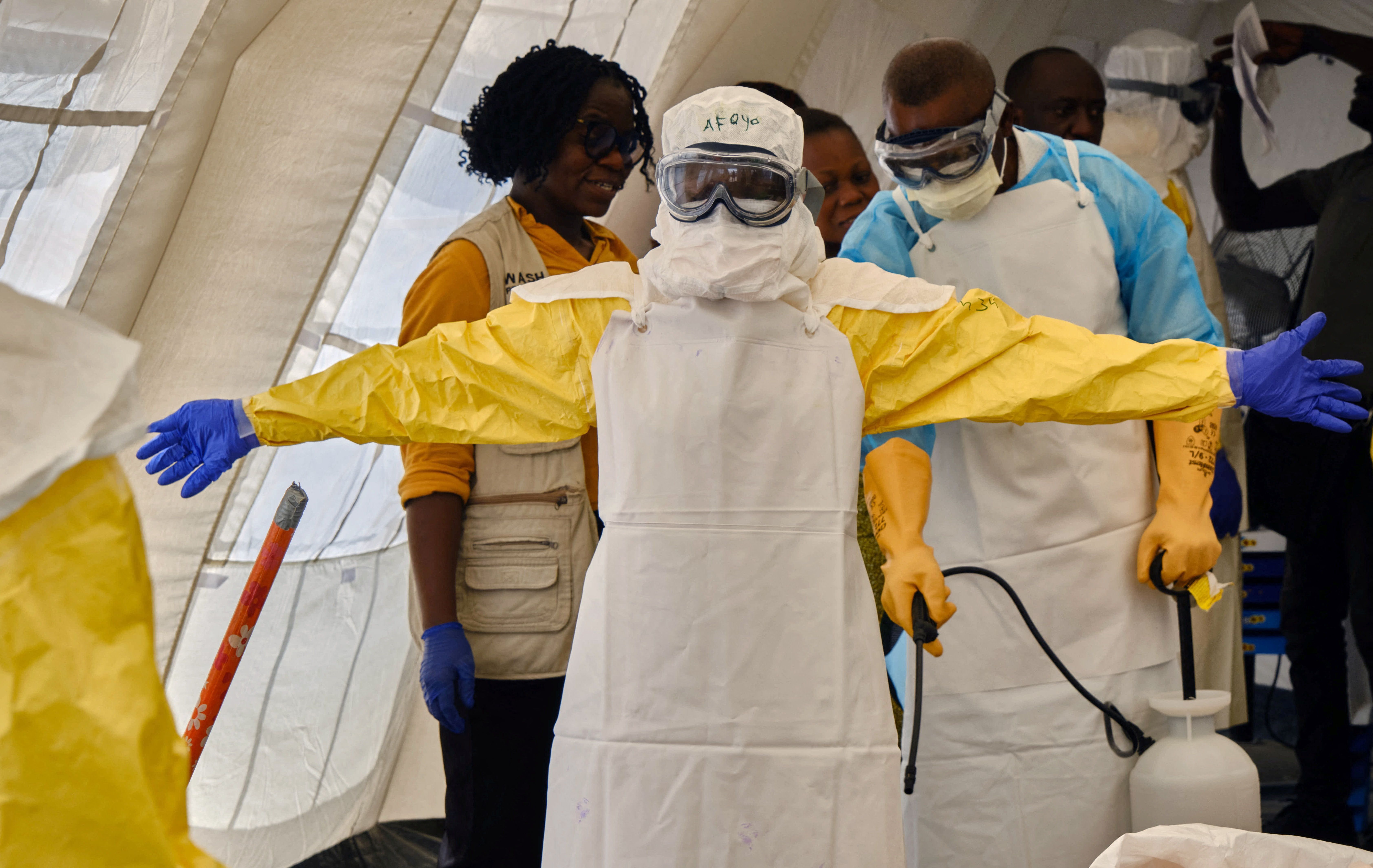
The current Ebola outbreak is the 17th to hit Central Africa since the virus was discovered in 1976, but it is the first since the artificial intelligence boom. The biggest challenge is the lack of a vaccine, compounded by the epidemic cutting across conflict zones and mining hubs with porous borders. AI offers a cost-effective tool to augment healthcare across the continent at a time when Western aid budgets are facing deep cuts.
What to watch
Health officials must exercise caution because AI systems can produce hallucinations — errors that could have outsized impact in a public health emergency response. The technology also raises privacy concerns about what personal health data is recorded and how it is used. Officials acknowledge the field is still in its infancy and that they are learning in real time.
Summaries like this, in your inbox every morning.
Pick your industry and the AI tools you use, and get news related to your work every day.
Free · 30 seconds with Google · unsubscribe anytimeWhat is AIToday? →
Ask AI anything about this article. The AI reads this article, earlier AIToday articles, and Wikipedia, and cites its sources. Q&As are published on this page for other readers too.

