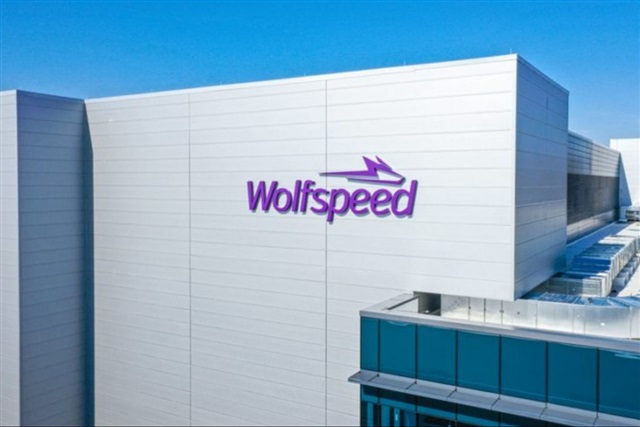
Wolfspeed has sued Navitas Semiconductor over patents covering gallium nitride and silicon carbide power chips — materials critical to efficient power conversion in AI data centers, electric vehicles, and power infrastructure. The lawsuit opens a new legal front in the competition over wide-bandgap semiconductor technology, a key area as demand for efficient power management grows.
Summaries like this, in your inbox every morning.
Sign up free →What happened
Wolfspeed has filed a patent lawsuit against Navitas Semiconductor that covers both gallium nitride (GaN) and silicon carbide (SiC) — two types of wide-bandgap power chips used in high-efficiency power conversion.
Why it matters
The lawsuit marks a new escalation in the competitive fight over wide-bandgap chip technology, at a time when AI data centers, electric vehicles, and energy infrastructure are all demanding more efficient power management. Patent disputes can block market access and raise costs for companies building these systems.
What to watch
The case extends the legal battle across both GaN and SiC boundaries, suggesting the two companies' product portfolios overlap significantly in ways that may reshape licensing and design choices in the power semiconductor sector.
Wolfspeed's patent lawsuit against Navitas represents a significant moment in the wide-bandgap semiconductor industry, which has become critical infrastructure as AI, electrification, and renewable energy demand more efficient power conversion. The lawsuit's scope — covering both GaN and SiC technologies — suggests the two companies' product lines are in direct competition across multiple chip families, not just a single technology. The timing underscores how valuable these patents have become: as data center operators and automakers race to adopt more efficient power solutions, control over key technical boundaries can determine which companies can serve which markets and on what terms. Patent disputes in this sector can impose significant costs on smaller competitors and customers alike, as licensing terms become leverage points in broader competitive struggles.
No discussion yet for this article
Get curated AI news from 200+ sources delivered daily to your inbox. Free to use.
Get Started FreeFree · takes 30 seconds · unsubscribe anytime
1 minute a day. The AI essentials.
200+ sources · Email / LINE / Slack
