What happened
A 2024 Harvard Crimson study found that 47% of 850 surveyed senior students said they had cheated. The article traces cheating prevalence across U.S. high schools (51–95% depending on the study) and notes that reported academic misconduct cases at Ohio State University increased by 57% between 2014 and 2018. Princeton recently abandoned its 133-year-old prohibition against proctoring exams to address academic integrity violations, and Oberlin changed its honor code to allow professors to proctor tests.
Why it matters
Cheating is not new—it predates AI and runs much deeper than current technology. The article shows that many college students arrive already accustomed to academic misconduct from high school, and instructors often look the other way rather than report violations. Few colleges have developed an intellectual integrity curriculum to counter cheating over a student's four years, meaning the problem persists institutionally. The issue signals a gap between colleges' stated policies and their enforcement.
What to watch
The article suggests that building commitment to academic integrity requires faculty to weave discussions of intellectual integrity throughout their courses and help students think about who they want to be. Without structural change—including clear, severe consequences when cheating is caught and sustained support programs—colleges are unlikely to curb the pervasiveness of the problem.
Summaries like this, in your inbox every morning.
Pick your industry and the AI tools you use, and get news related to your work every day.
Free · 30 seconds with Google · unsubscribe anytimeWhat is AIToday? →
Ask AI anything about this article. The AI reads this article, earlier AIToday articles, and Wikipedia, and cites its sources. Q&As are published on this page for other readers too.
Circlia started a proof-of-concept for TASTE SIGNAL: visitors to Holland Village Cafe FUKUOKA taste cookies an…

In a webinar hosted by French Mathematical Society president Isabelle Gallagher, Fields Medal winner Hugo Dumi…

NVIDIA released Nemotron 3.5 Super VL, an open-weight model with 120 billion parameters that handles text, ima…

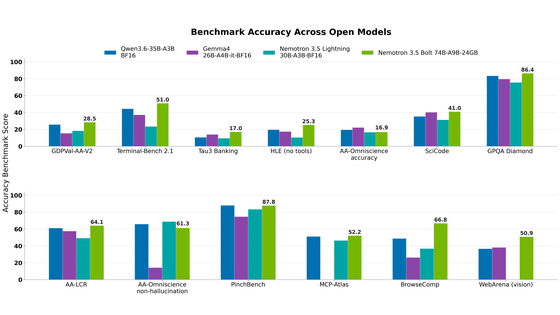
NVIDIA released Nemotron 3.5 Bolt 74B-A9B 24GB, an AI model for local agents that hits over 80 tokens per seco…
NVIDIA published a blog post titled "AI Security Is an Engineering Problem - How to Solve It at Every Layer of…

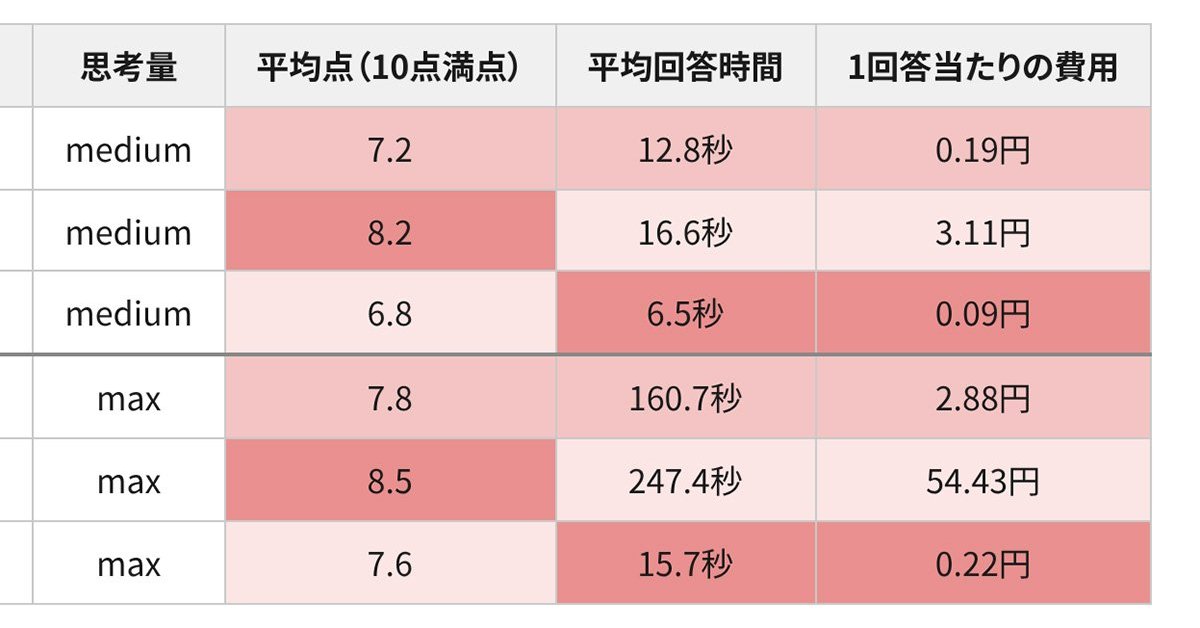
In the test, Haiku 5.5 on medium setting averaged scores close to Sonnet 5.5 on routine documents at about 1/1…