New York has become the first state to halt construction of large data centers, with Governor Kathy Hochul signing an executive order today that bars new permits for projects 50 megawatts or larger. The pause will remain in place until the state completes an environmental review—expected to take about a year—and comes amid growing public concern that data centers strain electrical grids and regional resources like water and farmland. Only 10% of Americans surveyed were more excited than concerned about AI use in daily life, and two-thirds worry that data centers will drive up electricity prices.
Summaries like this, in your inbox every morning.
Sign up free →What happened
New York Governor Kathy Hochul signed an executive order today that temporarily bars the state from approving new permits for data centers 50 megawatts or larger, making New York the first state to implement such a halt. The state's Department of Environmental Conservation will not issue any permits that haven't already been completed.
Why it matters
Public concern about data centers has grown sharply as projects expand in scale—straining electricity grids and competing for water and farmland. A recent Pew Research report found that only 10% of Americans were more excited than concerned about AI use in daily life, and just 23% felt the technology would have a positive impact on jobs. Two-thirds of respondents to a recent poll said they were concerned about data centers driving up electricity prices.
What to watch
The moratorium will be lifted once New York finalizes an environmental review process, which Hochul expects will take about a year. The state is also considering requiring data centers to pay into a fund supporting the electrical grid and preventing hyperscale data centers from receiving tax benefits. Through 2030, nearly a quarter of new data centers will exceed 500 megawatts, according to BloombergNEF, driven by increasing AI investment.
Governor Kathy Hochul signed an executive order today that makes New York the first state to halt construction of large data centers. The order temporarily bars the state from approving new permits for data centers 50 megawatts or larger, affecting more than a dozen projects already in development. The state's Department of Environmental Conservation will not issue any permits that have not already been completed.
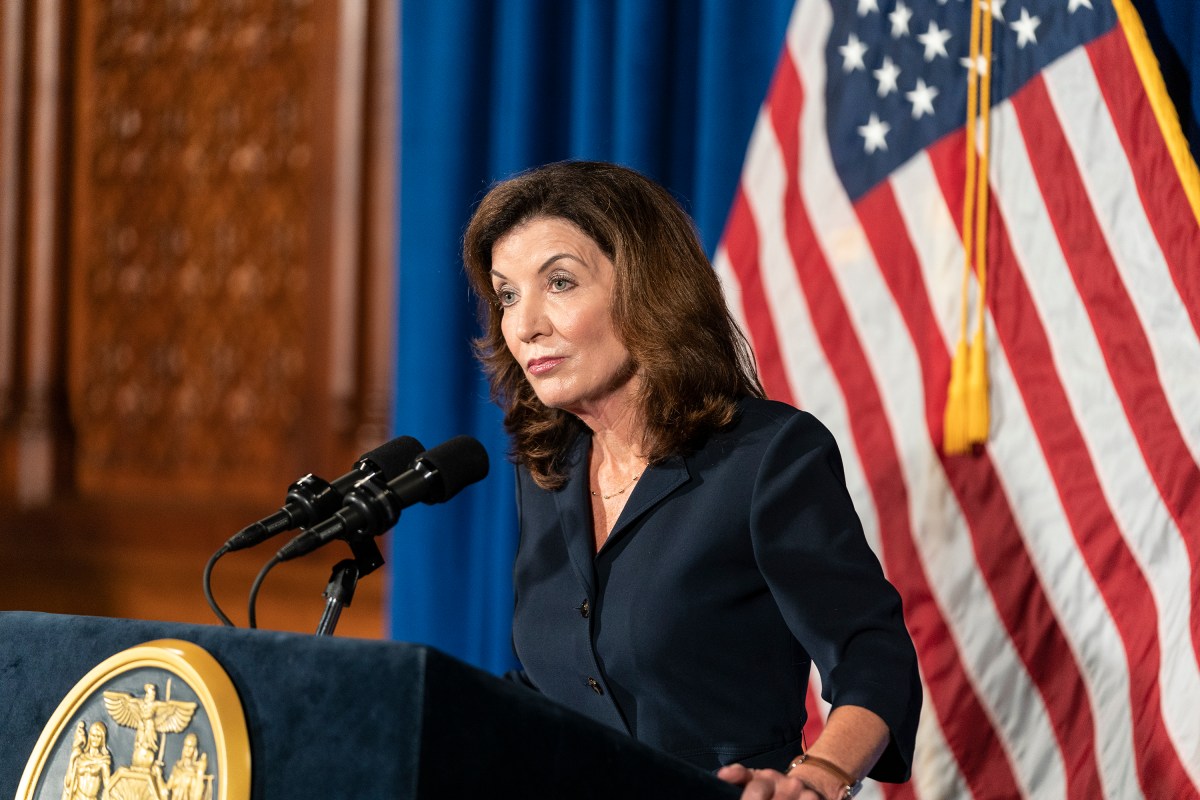
The moratorium will remain in place until New York completes an environmental review process for data centers, which Hochul expects will take about a year. While that review is underway, the state is also considering additional measures: requiring data centers to pay into a fund that would support the state's electrical grid and preventing hyperscale data centers from receiving tax benefits. At a press conference in Brooklyn, Hochul said: "Progress shouldn't arrive with a higher utility bill, deleted water supply, or noise pollution. These data centers can only be built, should only be built in places that want them. So they will never be exempt from local zoning, local approvals."
Hochul's order arrives as the New York legislature is considering even stricter measures. Last month, the legislature advanced a bill that would pause construction of data centers larger than 20 megawatts for one year, while another proposal still in committee would institute a three-year moratorium. The context for these moves is significant: the scale of data center projects has grown substantially in recent years, driven by AI investment. The average data center built in the last few years has been smaller than 100 megawatts, but those currently in development are expected to be much larger. According to BloombergNEF, through 2030, nearly a quarter of new data centers will exceed 500 megawatts.
Public opposition to data centers has intensified as their environmental footprint has become more apparent. Recent polling shows that two-thirds of respondents are concerned about data centers driving up electricity prices, and another survey found that people would rather have an Amazon warehouse in their backyard than a data center. Broader concern about AI shapes the debate as well: a Pew Research report found that only 10% of Americans were more excited than concerned about AI use in daily life, just 23% felt the technology would have a positive impact on how people do their jobs, and less than a quarter believed AI would boost the economy. Hochul's moratorium could provoke federal-level conflict; last month, the Federal Energy Regulatory Commission, led by a Trump appointee, instructed grid operators to develop special fast lanes to speed data centers' interconnections. In December, more than 230 organizations called for a nationwide pause, and Vermont Senator Bernie Sanders proposed a national moratorium, though it has not gained significant traction.
The shift in New York's stance on data centers reflects a broader reversal in public and state attitudes toward large infrastructure projects. Years ago, states actively competed to attract data centers as economic development opportunities; today, the scale and pace of construction has triggered significant backlash. The strains are real—grid operators report capacity pressures, and regional water and farmland compete with facility demands—but the backlash extends beyond resource concerns to anxiety about AI itself. A recent Pew Research report shows that only 10% of Americans are more excited than concerned about AI use in daily life, and just 23% believe the technology will positively impact how people work. Two-thirds of survey respondents worry that data centers will raise electricity prices, and polling shows people would prefer an Amazon warehouse to a data center in their neighborhood.
Hochul's order sets up a potential conflict with the incoming Trump administration, which has publicly supported data center development. Last month, the Federal Energy Regulatory Commission—led by a Trump appointee—instructed grid operators to create special fast lanes for data center interconnections. New York's moratorium and the stricter bills advancing in the legislature (including a three-year pause proposal) suggest the state intends to reassert local control and environmental review, even as federal policy moves in the opposite direction.
No discussion yet for this article
Get curated AI news from 200+ sources delivered daily to your inbox. Free to use.
Get Started FreeFree · takes 30 seconds · unsubscribe anytime
1 minute a day. The AI essentials.
200+ sources · Email / LINE / Slack
