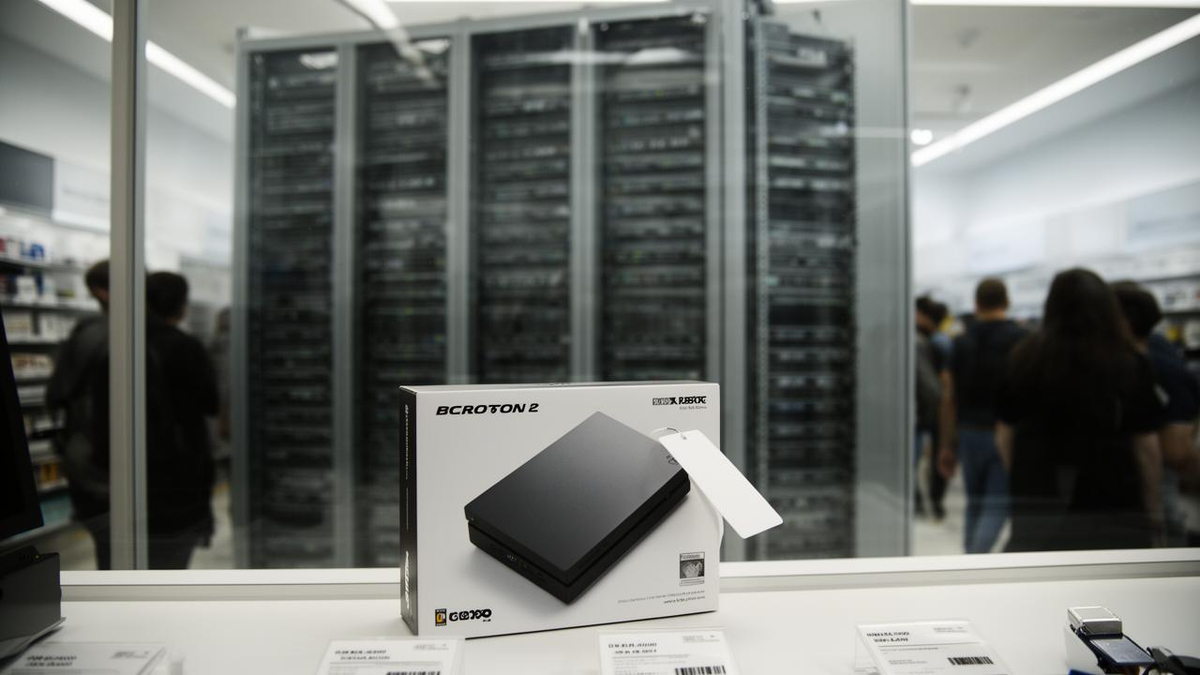
The three major console makers have broken from the industry norm of ever-cheaper hardware.
AI-driven memory demand has spiked component costs, forcing price hikes.
This challenges the razor-and-blades model of selling consoles cheap and profiting from software.
What happened
Nintendo, Sony, and Microsoft have all raised console prices. Nintendo's Switch 2 saw a $50 increase in the US and 250 HKD in Hong Kong; Microsoft's Xbox rose $100–150; Sony's PS5 is up 72% in some markets.
Why it matters
The root cause is the AI boom's memory chip scramble. Samsung, SK hynix, and Micron shifted production to high-profit HBM and server memory, driving up costs for consumer chips. LPDDR5X contract prices rose about 90% sequentially in Q1 2026. Nintendo expects about ¥100 billion in cost impact this term.
What to watch
Microsoft warned console memory and storage prices have more than doubled and could double again by fall 2027. SK hynix's CEO expects memory supply shortages to peak in 2027, with demand exceeding supply into 2030.
Ask the AI about this article →
The article details a structural shift in the console business. For decades, consoles followed a low-price strategy to build a large user base. This has now reversed. The trigger is an external force—the AI boom—which has made memory chips more valuable for data centers than for consumer gadgets. The price gap is stark: a single HBM3E chip sells for about $60–100, while a comparably sized ordinary DDR5 memory chip costs only $5–10.
This external pressure is forcing the three console makers into uncharted territory. Nintendo's president notes that a temporary price increase could have been absorbed through efficiency gains, but if cost pressure persists for years, keeping prices low would severely hurt hardware profitability. This logic is a direct departure from the company's historical philosophy of lowering the barrier to entry for users. The risk is significant: higher prices could shrink the overall user base, which would then make developers hesitant to invest, leading to fewer games and further attrition—a vicious cycle.
The immediate financials already show strain. Microsoft's Xbox overall sales fell 7% year-over-year, with hardware sales down 33%. Nintendo's best-selling game, Mario Kart World, sold 14.7 million units but is heavily dependent on console bundles. As the industry grapples with this, the long-term threat is that the ecosystem shrinks, as new players—especially younger and family users—are priced out. The article suggests that by protecting today's margins, manufacturers might be losing tomorrow's customers.
For example, today's edition would include:
AI-summarized, only the topics you pick — one digest a day via Email, Slack, or Discord.
Free · takes 30 seconds · unsubscribe anytimeWhat is AIToday? →
Ask AI anything about this article. Q&As are published on this page for other readers too.
Visko raised $10 million in pre-seed funding from Llama Ventures and opened public access to its first foundat…
U.S. markets ended August higher, with the S&P 500 up 2.6% and the Nasdaq up 3.9%

Neurovia AI, an Abu Dhabi-based company, is pitching Saudi security agencies software that it says can compres…

AI company Runway has unveiled Solaris, the first model in a new category it calls "Interface World Models." I…

John Deere introduced JD, a conversational AI tool that lets farmers ask open-ended questions about their hist…

Nvidia CEO Jensen Huang said on Fox Business that AI is creating 'hundreds of thousands' of jobs, including in…