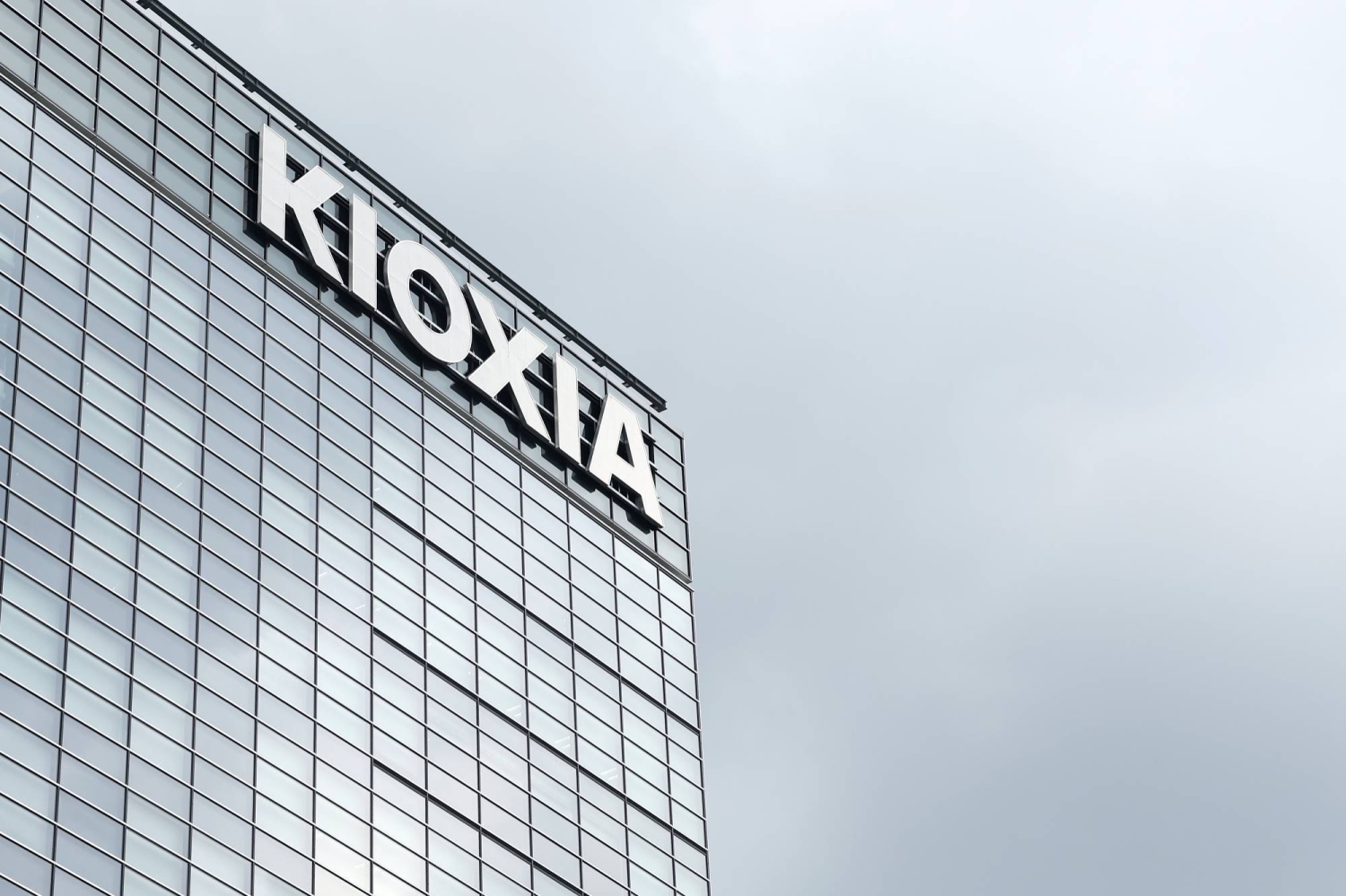
Kioxia, Japan's memory chipmaker, has lost half its market value in just one month after becoming the nation's most valuable company in mid-June on AI-driven euphoria.
Shares tumbled 52% from peak, erasing at least $185 billion(約30兆円) in market capitalization as investors question whether chipmakers' massive AI spending justifies current valuations and worry that global memory-chip prices may stabilize.
The selloff reflects a broader investor rotation out of AI-linked stocks into lagging sectors, though analysts still forecast significant upside for Kioxia over the next year.
What happened
Japanese memory chipmaker Kioxia's market capitalization fell 52% from last month's peak, losing at least ¥30 trillion ($185 billion(約30兆円)) in value. Shares tumbled as much as 16% in Tokyo trading on Friday. In mid-June, Kioxia had overtaken Toyota to become Japan's most valuable company after surging more than 600% since the start of the year, but its ranking has since dropped to fourth-largest.
Why it matters
Investors are reassessing whether the payoff from massive AI spending justifies the lofty valuations chipmakers have commanded. Concerns are growing that memory-chip prices—which have risen globally on AI demand—may start to settle down, particularly as Chinese memory chipmakers gain attention. Analysts cite the traditional semiconductor cycle as a risk: the sector has shown this boom-and-bust pattern repeatedly.
What to watch
Despite the selloff, analysts remain bullish on Kioxia, forecasting a return of about 118% over the next year. A Topix index reshuffle in October is expected to bring in large passive inflows. However, Japanese retail investors' leveraged positions in Kioxia expose the stock to further downside risk if selling accelerates.
Ask the AI about this article →
Kioxia's dramatic reversal from Japan's most valuable company to fourth-largest in a single month reflects a sharp shift in how investors view the semiconductor sector's AI opportunity. The company's 600% gain earlier this year was fueled by straightforward supply-and-demand logic: AI infrastructure requires vast quantities of memory chips, and Kioxia, emerging from years of sector downturn after its 2024 listing, stood to benefit handsomely. However, the recent selloff signals that investors have begun questioning whether the payoff from chipmakers' massive capital expenditures and suppliers' elevated valuations can be justified. Yugo Tsuboi, chief strategist at Daiwa Securities, points to a familiar pattern: the semiconductor industry is cyclical, and memories of past boom-and-bust cycles are resurfacing as traders reassess fundamentals.
The catalyst for the repricing appears to be twofold. First, concerns that memory-chip prices may stabilize as Chinese competitors gain traction, ending the period of unchecked pricing power that has driven earnings estimates higher. Second, a broader investor rotation away from AI stocks into undervalued sectors, reflecting skepticism about whether AI's near-term revenue payoff justifies the lofty multiples chipmakers now command. This skepticism extends across the global chip sector: even Taiwan Semiconductor Manufacturing Co., widely seen as best-in-class, faced investor criticism over its AI investment plans despite posting solid outlooks. The exit of shareholder Bain Capital from Kioxia has been interpreted by some as a signal that the semiconductor cycle and the stock's rally may be approaching a peak—a reading that resonates with Kioxia's Japanese retail investor base, which holds leveraged positions and is particularly exposed to further declines if the selling accelerates. Yet despite the turmoil, sell-side analysts have not capitulated: forecasts for an 118% return over the next year suggest they still see value, and the Topix rebalancing in October may provide a stabilizing force through passive inflows.
For example, today's edition would include:
AI-summarized, only the topics you pick — one digest a day via Email, Slack, or Discord.
Free · takes 30 seconds · unsubscribe anytimeWhat is AIToday? →
Ask AI anything about this article. Q&As are published on this page for other readers too.
Israeli startup DataAgent Ltd
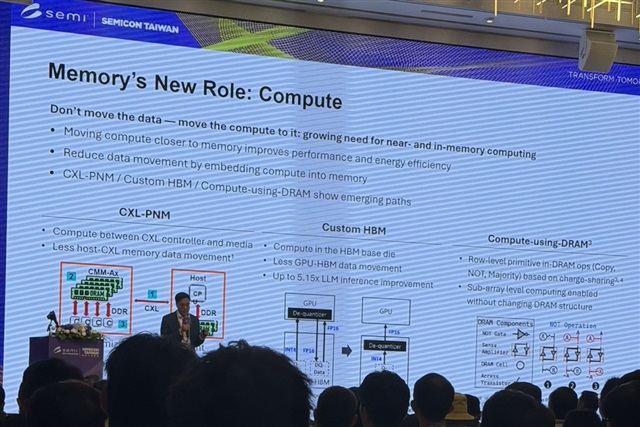
SK Hynix presented a custom HBM concept at SEMICON Taiwan 2026, where compute functions are placed in the base…
Taoyuan is positioning itself as a northern hub for AI data centers (AIDC), citing the Tatan area and an LNG c…
The U.S. Department of Defense announced on August 31 that it has deployed ChatGPT Mil, a customized version o…
Nvidia reported earnings that were both remarkable and boring, reflecting its focus on avoiding a consolidated…

Anthropic has agreed to a $35bn cloud-computing contract with Lambda, a Nvidia-backed cloud provider