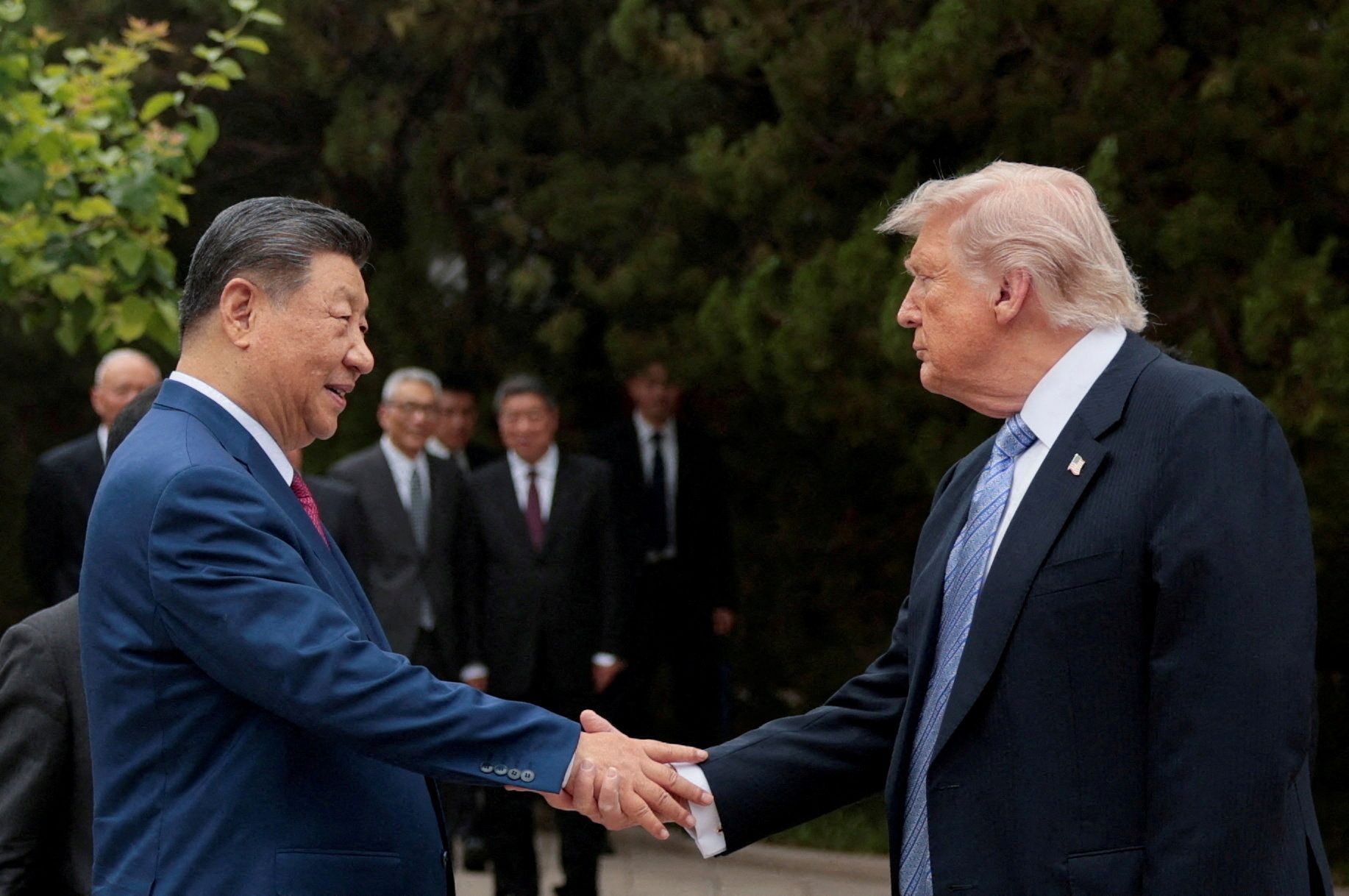
China protested US tariffs capped at 20% but adopted an aggressive tone against Washington's proposed sanctions on Chinese AI firms over alleged intellectual property theft. Beijing said it would take "all necessary measures" to counter the threat, underscoring that AI has become central to US–China economic competition. The White House is also considering a ban on China's open-source models.
Summaries like this, in your inbox every morning.
Sign up free →What happened
China responded to US tariffs capped at 20% with muted protest, but took a sharper stance against Washington's proposed sanctions on Chinese AI firms for alleged intellectual property theft through distillation. Beijing said it would take "all necessary measures" to counter the threat.
Why it matters
AI has become central to US–China economic competition. The US is escalating pressure on Chinese AI companies through tariffs and sanctions threats, and China's firm language suggests it views these moves as serious enough to warrant defensive action—signaling that the AI sector is now a flashpoint in superpower rivalry.
What to watch
The White House is considering a ban on China's open-source models, which would represent a further tightening of restrictions on Chinese AI technology in the US market.
China on Monday offered a subdued response to the US' latest tariffs but adopted a more aggressive tone when addressing Washington's proposed sanctions on Chinese AI firms. Beijing acknowledged that Washington had agreed to cap tariffs at 20% as part of the countries' trade truce. Analysts noted that the new duties would likely have a limited impact on China, explaining the relatively muted protest. However, the dynamic shifted significantly when discussing AI sanctions. Washington has proposed penalties against Chinese firms for their alleged theft of American intellectual property through distillation, a technique used in AI development. In response, Beijing said it would take "all necessary measures" to counter this threat, signaling a willingness to escalate. The rhetorical gap between tariff complaints and AI warnings underscores how central artificial intelligence has become to US–China economic competition. The White House has also considered banning China's open-source models, indicating a broader strategy to restrict Chinese AI technology's reach in the American market and ecosystem.
The escalation of US pressure on Chinese AI reflects a fundamental shift in superpower competition: where trade disputes once focused on goods and manufacturing, the economic jousting now centers on artificial intelligence. China's subdued response to the 20% tariff cap—which analysts expect will have limited impact—contrasts sharply with its aggressive rhetoric on AI sanctions, suggesting Beijing sees the AI sector as strategically vital in ways that traditional trade does not. The US approach has broadened beyond tariffs; the White House consideration of a ban on Chinese open-source models indicates a strategy to restrict China's AI technology access at multiple levels, from commercial applications to research sharing. China's statement that it will take "all necessary measures" signals resolve but stops short of announcing specific retaliatory steps, leaving room for negotiation while staking out a clear red line on AI restrictions.
AI-summarized, only the topics you pick — one digest a day via Email, Slack, or Discord.
Free · takes 30 seconds · unsubscribe anytime
No comments yet. Be the first to share your thoughts!
Log in to join the discussion

Get curated AI news from 200+ sources delivered daily to your inbox. Free to use.
Get Started FreeFree · takes 30 seconds · unsubscribe anytime
