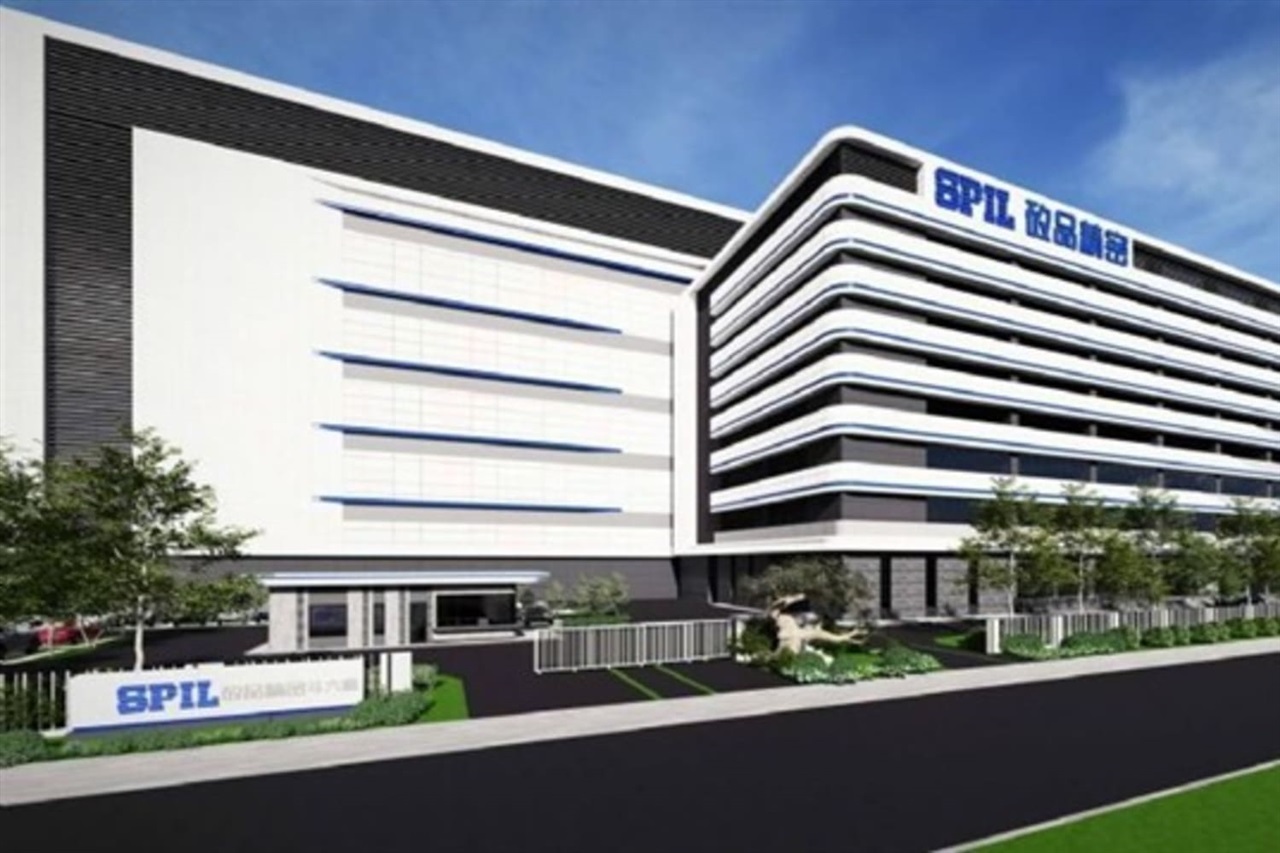
Siliconware Precision Industries (SPIL), a major semiconductor packaging and testing subsidiary of ASE Technology Holding, has broken ground on a new manufacturing plant in Taiwan with an investment of NT$100B.
The facility is targeted to begin operations in 2028 and is being built to meet the growing global demand for AI and high-performance computing infrastructure.
What happened
Siliconware Precision Industries (SPIL), a subsidiary of ASE Technology Holding, held a groundbreaking ceremony for a new plant in Douliu, Yunlin County, Taiwan, with an investment of NT$100B and target operations in 2028.
Why it matters
The move responds to surging global demand for artificial intelligence and high-performance computing (HPC) capacity. As a leading semiconductor packaging and testing provider, SPIL's expansion signals confidence in sustained demand for the infrastructure that supports AI systems.
What to watch
The facility is expected to begin operations in 2028, making it a key milestone in SPIL's capacity roadmap during a period of heightened AI infrastructure buildout.
Siliconware Precision Industries (SPIL), a subsidiary of ASE Technology Holding, held a groundbreaking ceremony for a new manufacturing plant in Douliu, Yunlin County, Taiwan. The facility represents an investment of NT$100B and is scheduled to begin operations in 2028. The expansion comes as global demand for artificial intelligence and high-performance computing infrastructure continues to surge, creating pressure on semiconductor manufacturers to increase capacity across the supply chain. SPIL, as a leading provider of semiconductor packaging and testing services, is positioning itself to capture a larger share of this growing market by bringing additional production capacity online in the coming years.
SPIL's groundbreaking ceremony marks a significant capacity expansion at a critical moment for semiconductor manufacturing. The company, which specializes in packaging and testing—essential steps that prepare chips for deployment in servers, data centers, and consumer devices—is responding directly to surging global demand for AI and high-performance computing infrastructure. The NT$100B investment underscores the scale of this commitment and reflects confidence in sustained demand from the AI boom.
AI-summarized, only the topics you pick — one digest a day via Email, Slack, or Discord.
Free · takes 30 seconds · unsubscribe anytime
Ask AI anything about this article. Q&As are published on this page for other readers too.
Supermicro reported a sharp recovery in gross margins and issued fiscal 2027 revenue guidance that exceeded Wa…
IBM and Together AI announced a collaboration to deploy a dedicated Nvidia-powered inference cluster on IBM Cl…
CoreWeave reported second-quarter fiscal 2026 revenue of US$2.6 billion, up 112% year-over-year and 24% sequen…
CoreWeave, an AI cloud provider, more than doubled its second-quarter revenue while managing a $104 billion ba…
Palantir Technologies reported second-quarter revenue up 93% year over year to $1.94 billion on Aug

Helfie AI, an AI-powered preventative healthcare platform, appointed Patrick Gates (former Apple and Airbnb ex…

The AI news that matters, in one minute each morning.
Sign up free