What happened
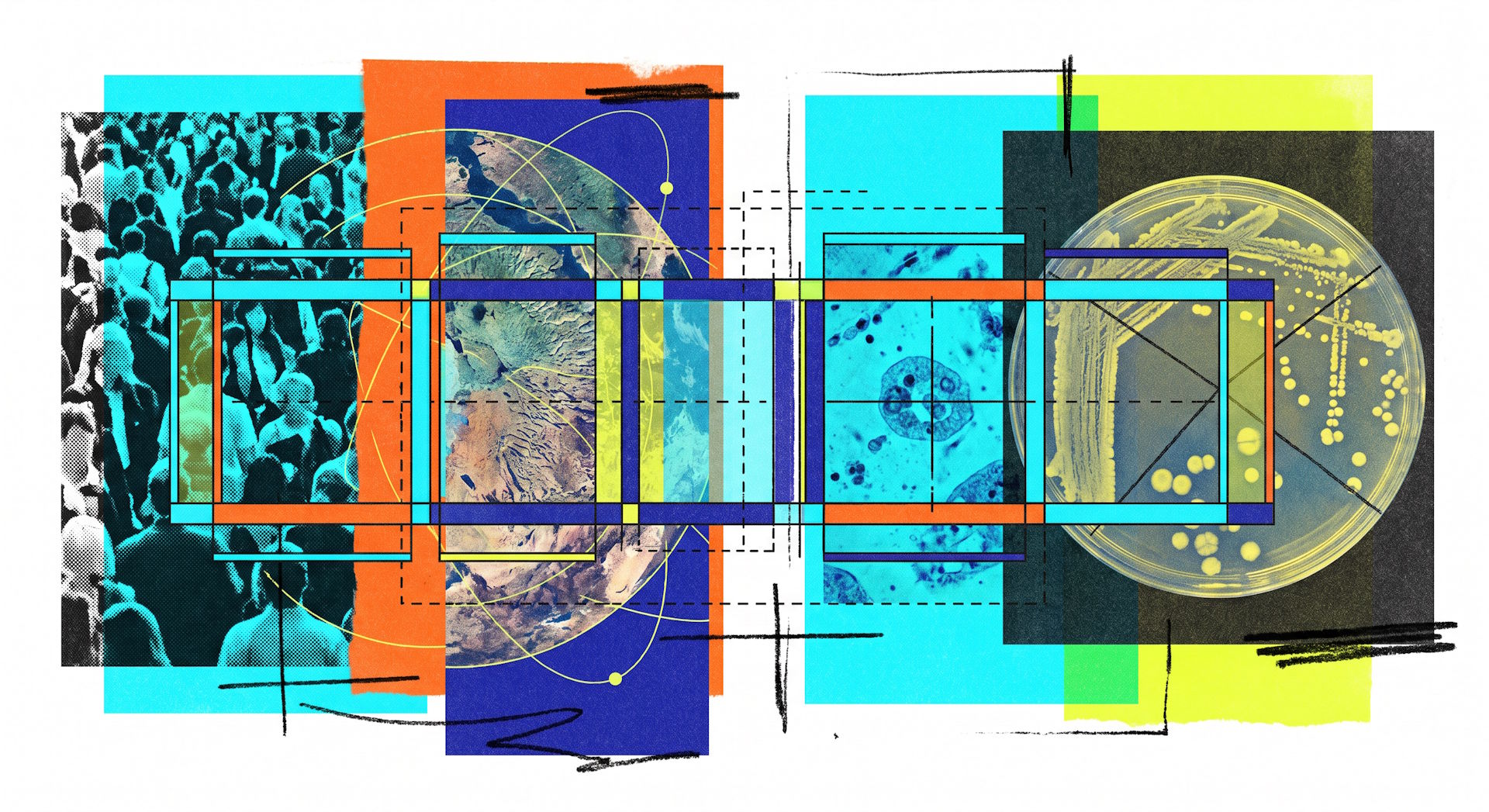
Researchers at Tsinghua University and other institutions created Count Anything, an AI model that counts objects in text-guided images by combining two complementary counting approaches: one that draws bounding boxes around large, visible objects, and another that places a dot on each small, densely packed target. The model builds on Meta's SAM3 and was trained on CLOC, a new dataset of about 220,000 images, 619 categories, and 15 million labeled objects spanning six visual domains—everyday photos, satellite imagery, medical tissue samples, microscopic cell images, agricultural images, and bacterial cultures.
Why it matters
Accurate object counting has real consequences in medicine (doctors reading scans), agriculture (farmers estimating crop yields), and urban planning (city planners analyzing traffic). Until now, each task required its own specialized system; a single model that handles all of these domains reduces the need to build and maintain separate tools. In the team's tests, Count Anything miscounts by about nine objects per queried category on average—more than twice better than the best competing model.
What to watch
The code for Count Anything is available on GitHub. The researchers acknowledge limits: the model can miss objects when terms are ambiguous or highly specialized, and struggles in extremely dense scenes with heavy occlusion. For pure crowd counting specifically, it remains competitive with but does not quite match the best specialized systems.
Summaries like this, in your inbox every morning.
Pick your industry and the AI tools you use, and get news related to your work every day.
Free · 30 seconds with Google · unsubscribe anytimeWhat is AIToday? →
Ask AI anything about this article. The AI reads this article, earlier AIToday articles, and Wikipedia, and cites its sources. Q&As are published on this page for other readers too.

