
Moody's warns that banks' rapid AI adoption is creating dangerous dependence on a handful of Silicon Valley providers, exposing the financial sector to systemic outages and potential price gouging.
Over 75% of UK financial firms now use AI for core operations, but this concentrated reliance poses credit risks and may drive staff displacement, with the rating agency estimating a 20% probability that AI will match mid-level employee performance by 2030.
What happened
Moody's has warned that financial institutions' rush to adopt AI is creating heavy reliance on a small group of Silicon Valley firms, exposing them to potential outages and pricing pressure from dominant AI and cloud providers.
Why it matters
Over 75% of UK financial companies now use AI for tasks ranging from automating administrative work to assessing creditworthiness, but this dependency risks systemic vulnerability—a major outage at one provider could spread quickly across sectors. Banks also face new risks around data privacy, cybersecurity, fraud, and customer deposit flight, while many benefits from AI investment will be "competed away" due to industry-wide adoption.
What to watch
Lloyds Banking Group, for instance, committed £13bn to an AI strategy involving £2bn in cost cuts and workforce changes. Regulators may increase scrutiny of operational resilience and third-party concentration in the AI stack as adoption deepens; Moody's also flagged a 20% chance that by 2030, AI will be able to do the work of a "solid mid-level employee."
Ask the AI about this article →
The financial sector's adoption of AI is creating a structural concentration risk that regulators and rating agencies are beginning to flag. Moody's concerns pivot on two distinct vulnerabilities: operational fragility and commercial leverage. On the operational side, the report warns that a major outage at a dominant cloud or AI model provider—whether OpenAI, Anthropic, or a major hyperscaler—could cascade across thousands of financial firms simultaneously, given that most institutions are consolidating on the same small set of platforms rather than diversifying suppliers. This concentration mirrors systemic risk in traditional banking, except the failure point is now in Silicon Valley rather than spread across regional institutions. On the commercial side, as generative AI companies face pressure to become profitable, they may raise prices or impose terms that banks cannot easily refuse without abandoning their AI strategies.
Moody's also highlights that while long-term AI adoption may cut costs and boost revenues for banks, those gains are likely to be "competed away" as rivals deploy identical technology and capabilities. This races to the bottom effect means banks must make substantial upfront investments without capturing lasting competitive advantage. The report further flags emerging risks—deposit flight (customers moving money to higher-yielding competitors more easily once account switching is streamlined by AI), fraud, and cybersecurity threats. Staff displacement is acknowledged as real; Moody's estimates a 20% chance that by 2030, AI will perform mid-level banking work, though banks such as Lloyds are betting they can reskill and rehire. The underlying message is that financial institutions are trading short-term efficiency gains for long-term vulnerability to external actors they cannot fully control.
For example, today's edition would include:
AI-summarized, only the topics you pick — one digest a day via Email, Slack, or Discord.
Free · takes 30 seconds · unsubscribe anytimeWhat is AIToday? →
Ask AI anything about this article. Q&As are published on this page for other readers too.
Israeli startup DataAgent Ltd
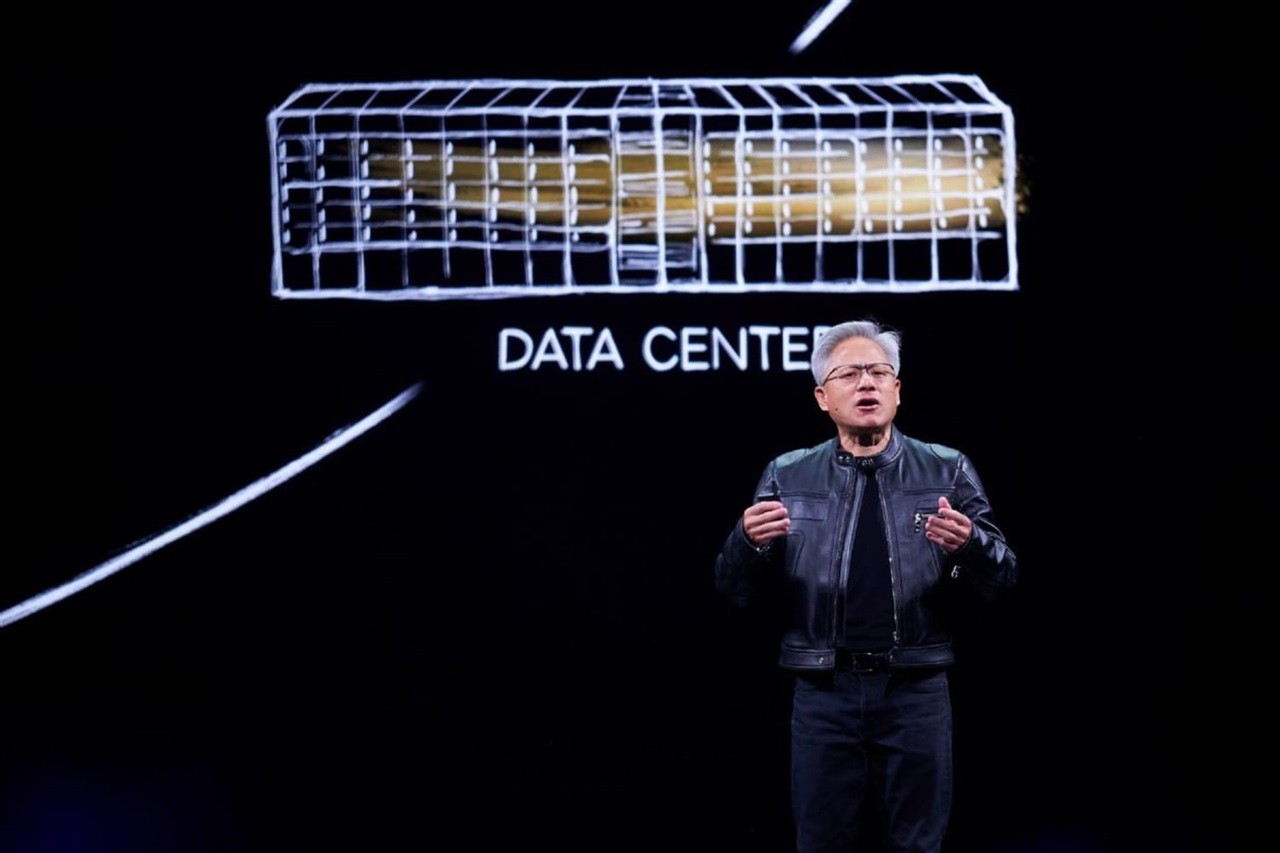
Taoyuan is positioning itself as a northern hub for AI data centers (AIDC), citing the Tatan area and an LNG c…
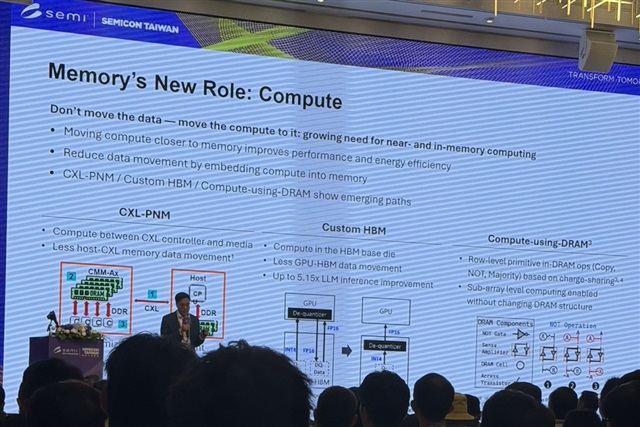
SK Hynix presented a custom HBM concept at SEMICON Taiwan 2026, where compute functions are placed in the base…
The U.S. Department of Defense announced on August 31 that it has deployed ChatGPT Mil, a customized version o…

Nvidia reported earnings that were both remarkable and boring, reflecting its focus on avoiding a consolidated…

Anthropic has agreed to a $35bn cloud-computing contract with Lambda, a Nvidia-backed cloud provider