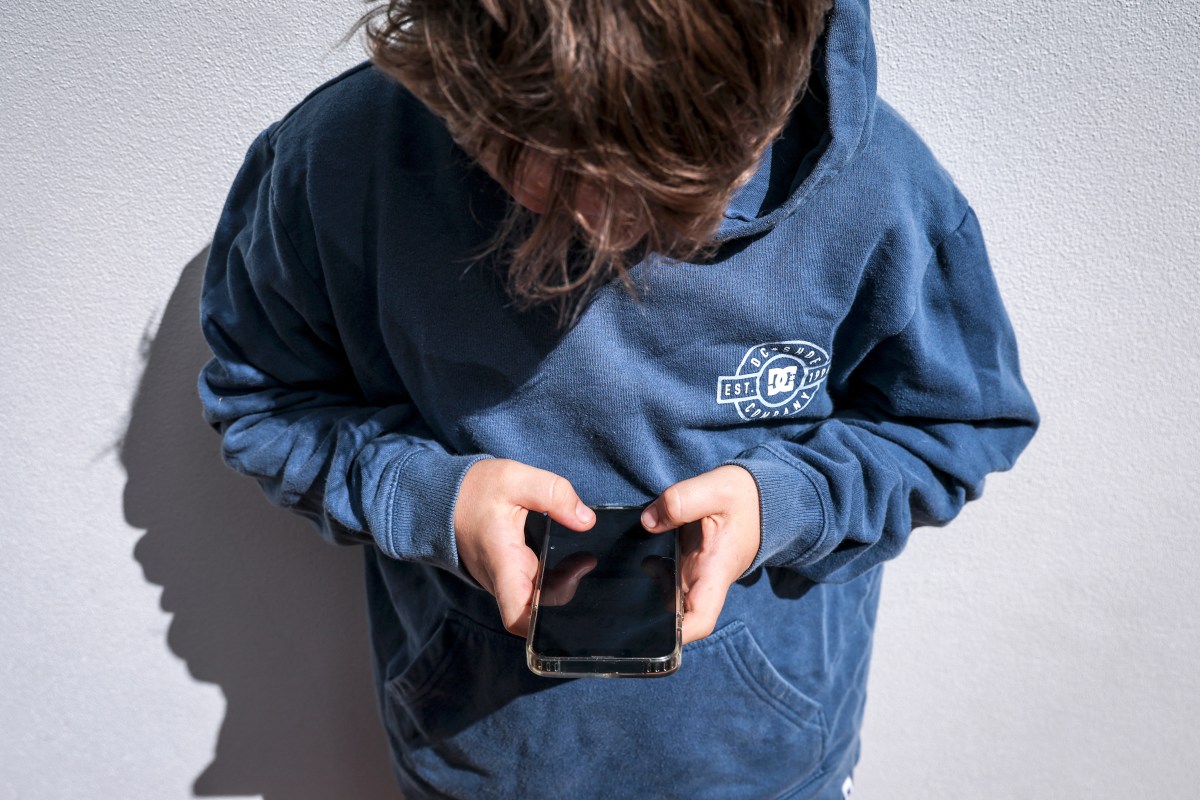
Meta has launched Muse Image, an AI tool that lets users create images using photos from public Instagram accounts without the account owners' knowledge or consent.
Only private accounts and accounts of users under 18 are automatically protected.
The feature raises major privacy concerns given Meta's past violations of user trust and has prompted the company to offer an opt-out mechanism, though users must actively disable the feature themselves.
What happened
Meta launched Muse Image, an AI image-generation tool that allows users to create original images, edit existing photos, and generate custom ads within Meta's apps. Crucially, users can generate AI images using photos from public Instagram accounts by tagging them—only private accounts and accounts belonging to users under 18 are automatically excluded.
Why it matters
Users whose photos are public may have no idea their images can be incorporated into AI-generated content by strangers, and they receive no notification when this happens. This raises serious concerns about consent, as the feature makes it easy to manipulate people's images without permission, opening the door to harassment, impersonation, and nonconsensual image editing. Meta's track record on privacy has deepened skepticism: in 2019, the FTC imposed a $5 billion(約8000億円) fine against Facebook for misleading users about control over their personal information, following the Cambridge Analytica scandal.
What to watch
To opt out, go to your profile, select 'Sharing and reuse,' find the option 'Allow people to create with and reuse your content,' and toggle it off for both posts and reels. The launch comes as tech companies race to integrate generative AI into social media platforms, even as 35% of respondents in a Pew Research Center survey said they're more concerned than excited about the growing use of artificial intelligence.
Ask the AI about this article →
Muse Image arrives at a moment of tension between Meta's aggressive rollout of generative AI features and mounting public concern about privacy and consent. The article notes that Meta is racing to integrate AI tools into social media platforms, yet simultaneously reports that 35% of Americans surveyed are more concerned than excited about artificial intelligence's growing use. This skepticism is not baseless: Meta's 2019 FTC fine of $5 billion(約8000億円) stemmed directly from the company's history of misleading users about control over personal information, a pattern exemplified by the Cambridge Analytica scandal, in which a third-party developer harvested data from up to 87 million Facebook users without explicit consent.
The opt-out mechanism Meta has provided—requiring users to actively navigate settings and toggle off content reuse—places the burden of protection on users themselves rather than defaulting to privacy. This design choice may reflect the company's broader business incentive to maximize the breadth of training data available to its AI systems. For business readers, this underscores an emerging tension: as AI tools become embedded in consumer platforms, the gap between what companies legally can do and what consumers expect they can trust to protect their data appears to be widening.
For example, today's edition would include:
AI-summarized, only the topics you pick — one digest a day via Email, Slack, or Discord.
Free · takes 30 seconds · unsubscribe anytimeWhat is AIToday? →
Ask AI anything about this article. Q&As are published on this page for other readers too.

