What happened
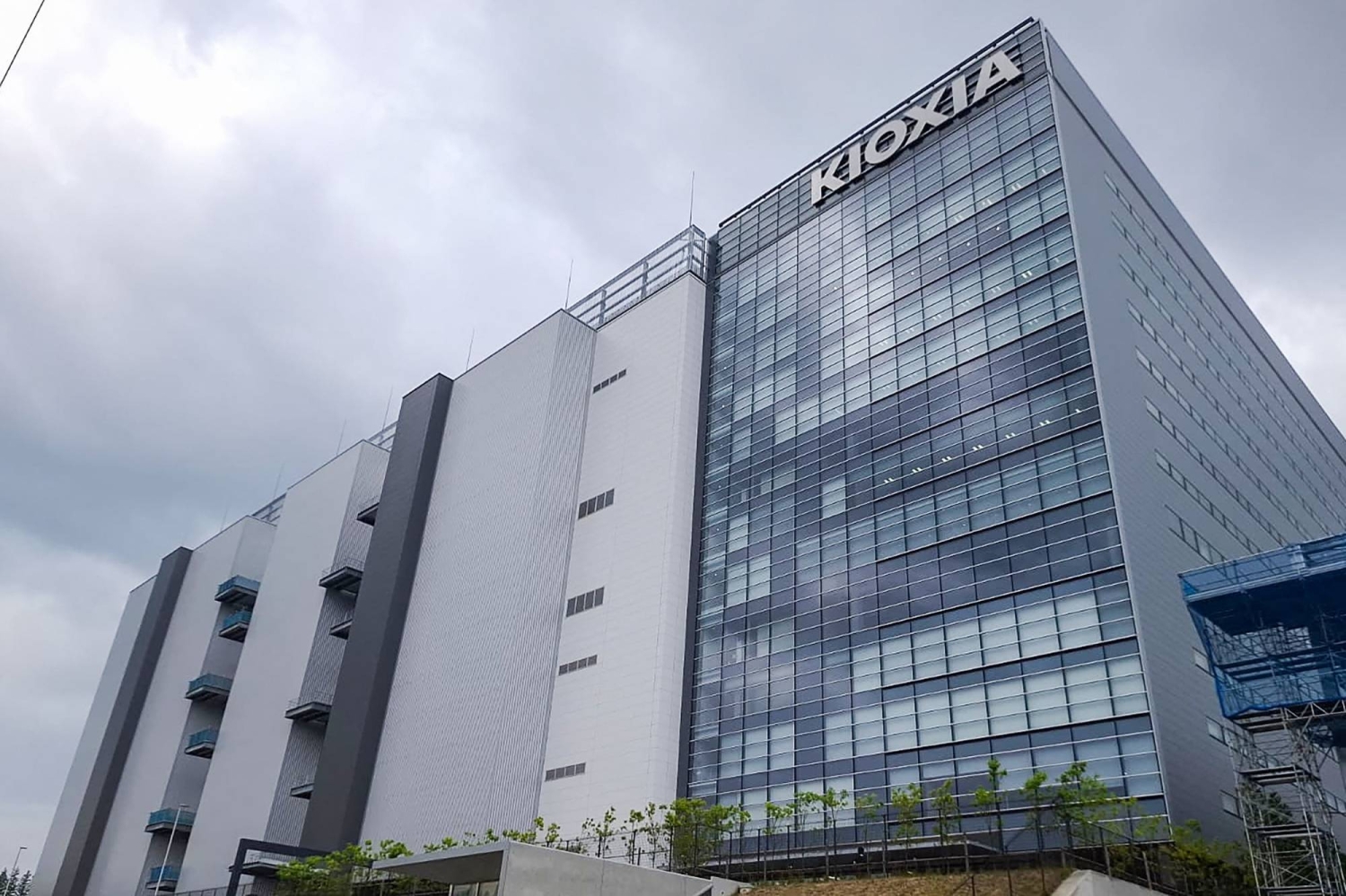
Kioxia, one of Japan's most valuable companies, has opened a new factory in Kitakami, Iwate Prefecture designed to produce memory chips for AI data centers, using robotic transporters to move silicon wafers on overhead rails.
Why it matters
Global demand for AI data center infrastructure has created severe shortages and driven up prices for memory components; Kioxia is positioned to benefit from this surge in orders.
What to watch
The factory is located in Kitakami, Iwate Prefecture, and represents Kioxia's effort to capture share of the AI-driven memory chip market as competition among chipmakers intensifies.
Summaries like this, in your inbox every morning.
Kioxia's new factory opening comes at a pivotal moment for the semiconductor industry. The global surge in AI data center construction has created a structural shortage of memory chips—a product category that historically occupied the margins of industry attention. By establishing dedicated production capacity in Iwate Prefecture, Kioxia is directly answering the market's most urgent need: supplying the high-volume memory components that power training and inference in large language models and other AI systems. The factory's design—featuring automated robotic transport systems for silicon wafers—suggests the company is engineering for both scale and speed-to-market, critical advantages when chip demand far outstrips supply and prices have risen sharply. For Kioxia, which ranks among Japan's most valuable companies, this investment signals confidence that the AI-driven demand will sustain long enough to justify the capital expenditure and operational complexity of a new manufacturing facility.
Pick your industry and the AI tools you use, and get news related to your work every day.
Free · 30 seconds with Google · unsubscribe anytimeWhat is AIToday? →
Ask AI anything about this article. The AI reads this article, earlier AIToday articles, and Wikipedia, and cites its sources. Q&As are published on this page for other readers too.

