What happened
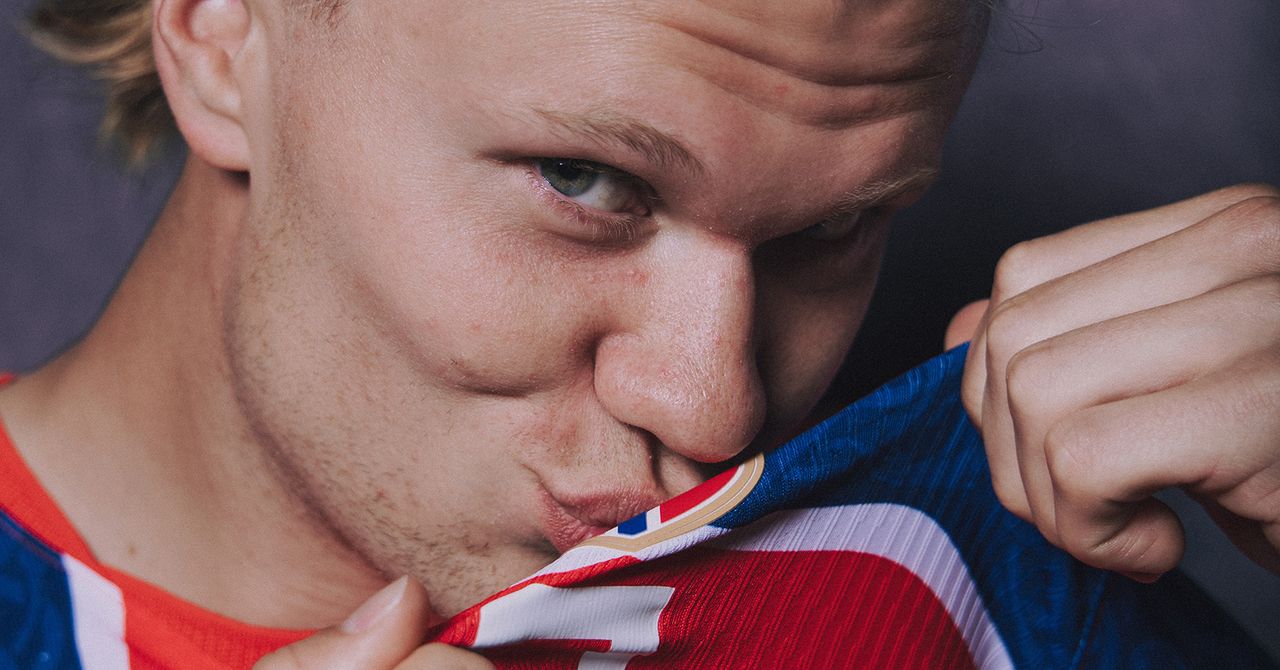
A viral video of Norwegian striker Erling Haaland, later identified as an AI deepfake sourced from a Chinese comedian's skit, circulated widely during the 2026 World Cup, accumulating over 31 million views on X in days. The clip emerged from a broader cottage industry of AI-generated Haaland memes in China, where the striker has become a meme sensation after appearing in a herbal drink commercial and building millions of followers on Douyin and Weibo.
Why it matters
The Haaland deepfake signals a shift in how modern sports fandom works—athletes are now treated as fictional characters with evolving storylines and fan-invented lore, rather than figures whose image they tightly control. A report from WSC Sports found that Gen Z feels more connected to individual athletes than teams, and social media content from athletes is the single largest driver of Gen Z sports engagement; AI now lets fans synthesize new content on demand without requiring the athlete's participation.
What to watch
Unlike earlier deepfake controversies, audiences are knowingly embracing synthetic content if it fits the character they've created—similar to how the @deeptomcruise TikTok account and AI-generated Drake/The Weeknd track gained enthusiastic engagement despite being synthetic. Haaland's off-pitch persona (nostril-angle selfies, bald filters, comedic videos on Snapchat with 3.3 million followers) has made him the tournament's unlikely main character, creating fertile ground for both authentic and AI-generated fan material.
Summaries like this, in your inbox every morning.
The Haaland deepfake emerges from a collision of two forces: Haaland's deliberate cultivation of an off-pitch persona that contradicts his on-field image, and the increasing appetite of Gen Z sports fans to treat athletes as characters whose stories they can extend and remix. The body notes that athletes are now consumed not solely through highlights or interviews but as evolving characters with recognizable quirks and storylines—receiving what the article calls "the full fandom treatment previously reserved for fictional characters, in lore, canon, character arcs, edits." This cultural shift has made synthetic content viable where it otherwise might fail: the deepfake did not require Haaland's authenticity to work because the audience had already divorced the character from the person.
The cottage industry of AI Haaland memes originated in China, where Haaland's popularity exploded following his herbal drink commercial appearance and rechristening as "Habao" (roughly, "Ha Baby") by fans delighted in the gap between his frightening on-pitch persona and his off-pitch golden retriever-like demeanor. This contradiction—the 6-foot-5-inch Viking-coded goal machine posting bald filters and nostril-angle selfies—became the joke that AI could then reproduce at scale. Unlike the deepfake panics of earlier years, a meaningful share of the online audience is actively opting in and sharing the synthetic content anyway, suggesting that if the content sufficiently matches the character fans have constructed, authenticity becomes secondary to narrative fit.
Pick your industry and the AI tools you use, and get news related to your work every day.
Free · 30 seconds with Google · unsubscribe anytimeWhat is AIToday? →
Ask AI anything about this article. The AI reads this article, earlier AIToday articles, and Wikipedia, and cites its sources. Q&As are published on this page for other readers too.

